AZ forges ever-closer ties with China's CSPC Pharma
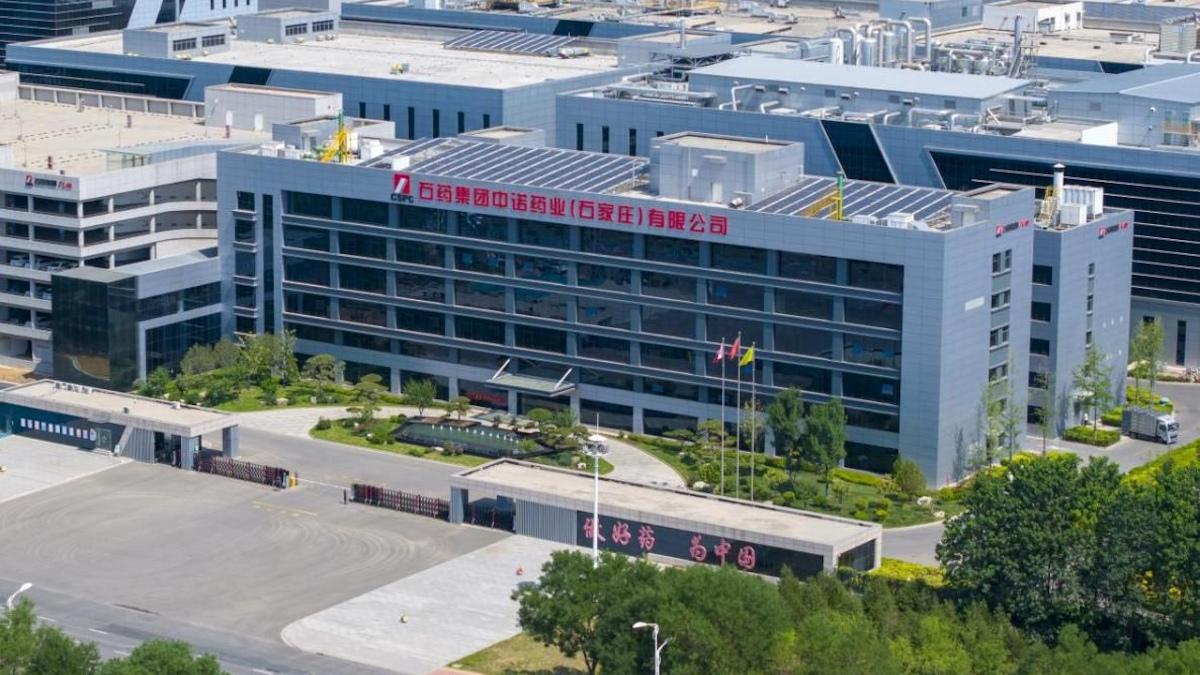
AstraZeneca has returned to China's CSPC Pharma to fill its R&D pipeline, reaching a new agreement to develop drugs for kidney diseases.
Hong Kong-listed CSPC revealed the latest deal with AZ in a stock exchange filing (PDF), noting that the two companies are setting up a partnership to use its small, interfering RNA (siRNA) discovery platform and extrahepatic targeted delivery platform to develop therapies for multiple renal diseases.
The alliance, worth up to $1.77 billion and with an initial payment of $30 million, comes just a few months after AZ paid $1.2 billion upfront to tap into CSPC's LiquidGel sustained-release delivery technology for monthly dosing of medicines and an AI-powered peptide drug discovery programme.
The earlier, strategic-level deal comes with potential milestones of $17.2 billion spread across eight projects in obesity and weight-related conditions and diabetes, and was the third between the two companies.
Last year, AZ entered into a $5.2 billion partnership with CSPC to use its AI platform to find new medicines across a broad range of therapeutic categories, and licensed a small-molecule lipoprotein(a)-targeted drug candidate for cardiovascular diseases for up to $2.2 billion.
Under the terms of the latest deal, CSPC and AZ will jointly discover and develop two preclinical candidates for as-yet unidentified kidney diseases, with the Hong Kong company eligible for $540 million in potential development and up to $1.2 billion in potential sales milestones.
The alliance will deploy CSPC's "proprietary AI molecular design model and fully automated high-throughput screening system to efficiently screen nucleic acid drug molecules with high activity and enhanced extrahepatic targeting potential."
If all goes well, AZ will have the option to license exclusive rights to the two candidates outside China, with CSPC retaining rights in its home market.
Renal diseases are a key therapeutic category for AZ, which sells medicines like oral SGLT2 inhibitor Forxiga/Farxiga (dapagliflozin) for chronic kidney disease (CKD) and Ultomiris (ravulizumab) for rare renal disorder immunoglobulin A nephropathy (IgAN).
Its pipeline includes other late-stage CKD candidates, including aldosterone synthase inhibitor (ASI) baxdrostat – recently approved as Baxfendy for uncontrolled hypertension – as well as mineralocorticoid receptor (MR) modulator balcinrenone and endothelin-A antagonist zibotentan.
In January, AZ said it intended to spend $15 billion on investment programmes in China by 2030, further underlining the importance of the market to its target of growing annual revenues to $80 billion in that year, from $58.7 billion in 2025.