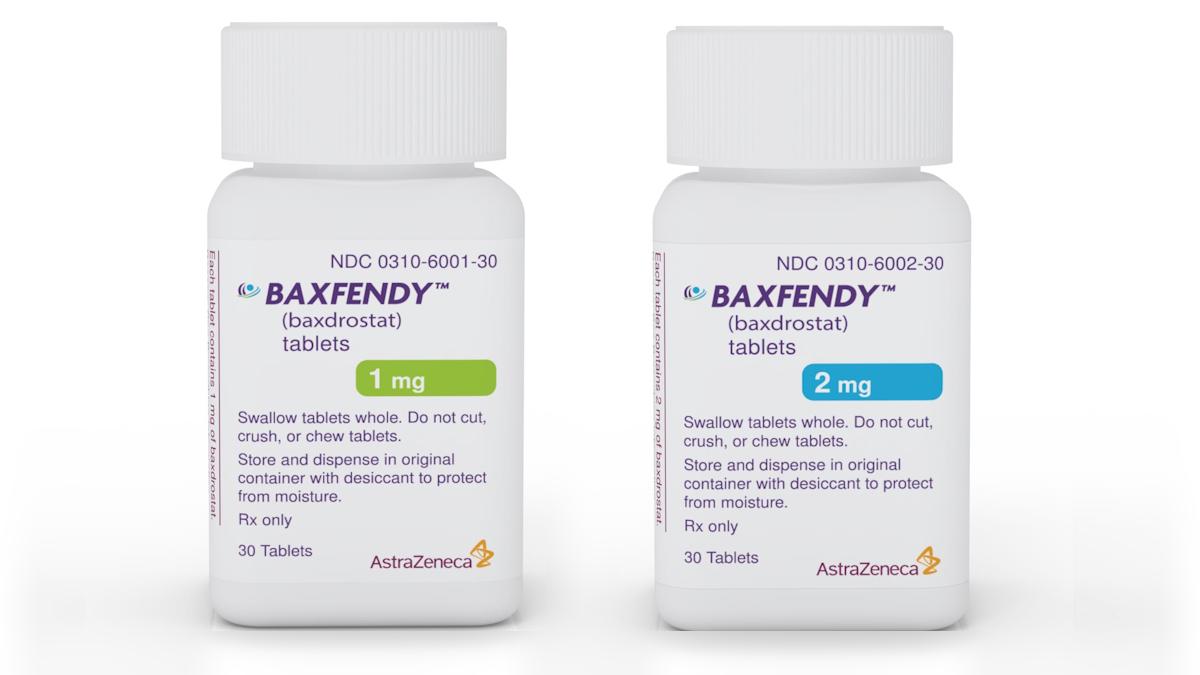
AZ gets first okay for new hypertension drug baxdrostat
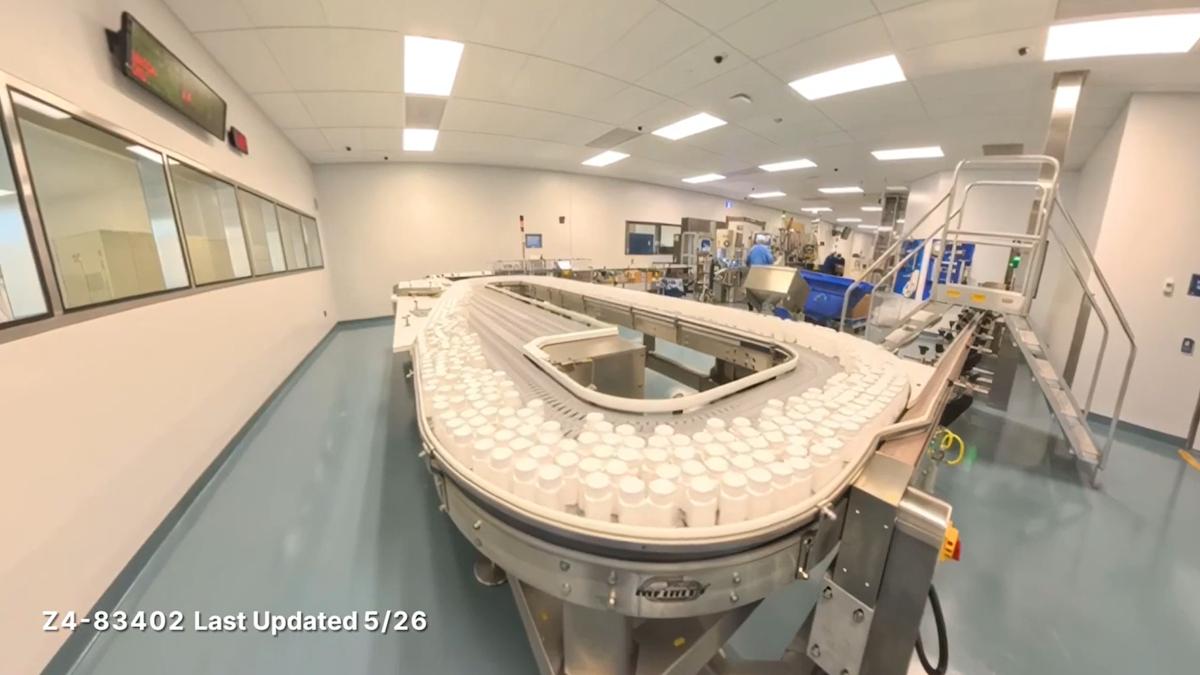
AstraZeneca manufacturing facility.
The FDA has approved AstraZeneca's aldosterone synthase inhibitor (ASI) – baxdrostat – for hard-to-treat hypertension, making it the first drug in the class to clear regulatory review.
The new drug has been cleared under the Baxfendy brand name for use as an add-on to other drugs for patients with hypertension who are unable to get their blood pressure under control with their current treatment.
In the US, around half of the approximately 23 million people living with hypertension, who are already taking multiple antihypertensive drugs, still show elevated blood pressure that raises their risk of cardiovascular complications like heart attack, stroke, and premature death.
AZ has previously said that, given the massive unmet need among patients with high blood pressure that does not respond to current antihypertensive medicines, baxdrostat could become a $5 billion-a-year product.
The approval means that AZ has a few months to build a position for Baxfendy before its closest rival in the ASI category – Mineralys – reaches the market. Mineralys filed for approval of its ASI candidate lorundrostat earlier this year and is waiting for an FDA decision on the application, due by 22nd December this year.
AZ's filing is based on the results of the BaxHTN trial, which showed that Baxfendy achieved statistically significant reductions in blood pressure compared with placebo at 12 weeks when added to two or more current antihypertensive drugs.
"We have been waiting for an innovative medication like Baxfendy for hypertension for many years," said BaxHTN investigator Dr Bryan Williams, Chair of Medicine at University College London (UCL) in the UK.
"Its novel way of lowering blood pressure has the potential to transform clinical practice by targeting a root cause of persistently uncontrolled hypertension," he added, noting that the double-digit reduction in systolic blood pressure (SBP) seen in the trial – a median of 15.7 mmHg with the higher 2 mg dose of the drug – is "clinically meaningful for clinicians and patients."
He pointed to epidemiological data that suggests that a 10 mmHg reduction in SBP is associated with a roughly 20% lower risk of serious cardiovascular events.
Mineralys reported similar findings with lorundrostat in its Advance-HTN trial, suggesting that being the first mover – and commercial muscle – may determine which of the two ASIs takes the lead in the market.
AZ is also developing baxdrostat for CKD and for the prevention of heart failure as a combination therapy with its blockbuster SGLT2 inhibitor Farxiga/Forxiga (dapagliflozin), which is nearing the end of its patent life and generated $8.4 billion in sales last year.
Baxfendy – acquired when AZ bought CinCor Pharma for $1.3 billion in 2023 – is a key component of AZ's plan to weather that patent expiry and grow revenues to $80 billion by the end of the decade.
Another key product for that objective, Daiichi Sankyo-partnered cancer drug Enhertu (trastuzumab deruxtecan), has also just claimed approval in the US for some additions to its lengthening list of indications, namely neoadjuvant and adjuvant treatment of patients with HER2-positive early breast cancer, based on results from the DESTINY-Breast11 and DESTINY-Breast05 Phase III trials, respectively.