WHO says Ebola outbreak in Congo is a "public emergency"
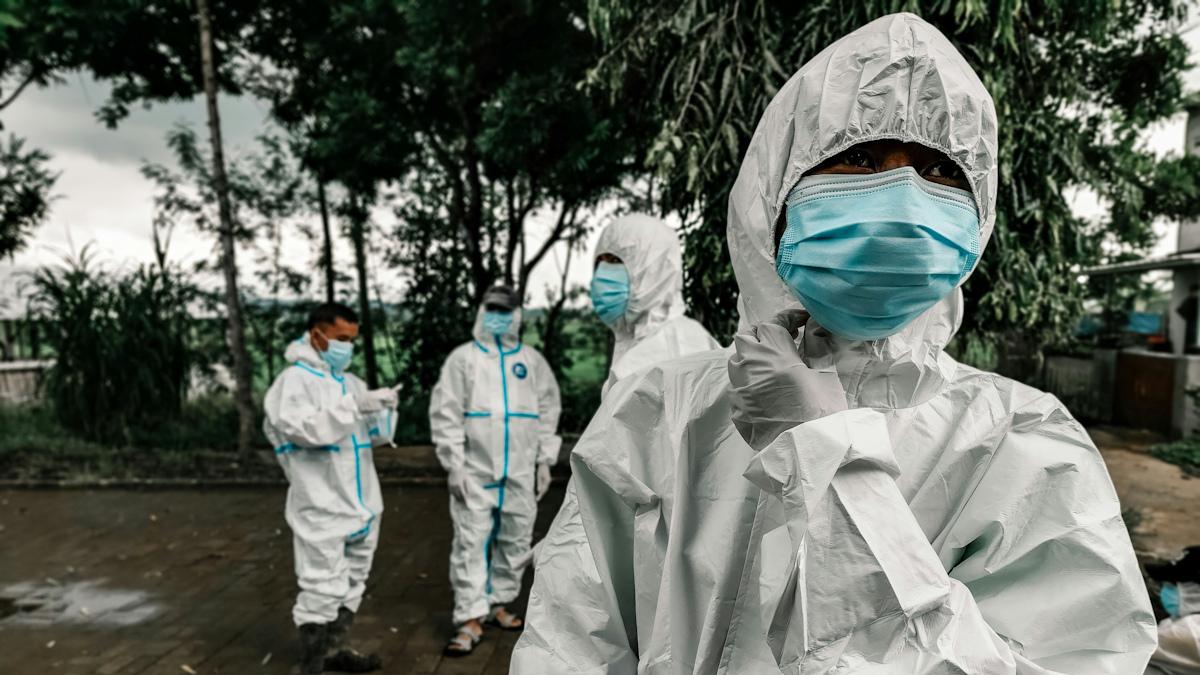
As deaths from an Ebola virus outbreak in the Democratic Republic of Congo and Uganda have risen above 80, the World Health Organization (WHO) has declared it a public health emergency of international concern (PHEIC).
The surge in cases of infection from the Bundibugyo variant of Ebola does not meet the criteria of a pandemic emergency, according to the UN agency, but the numbers make it an "extraordinary" outbreak that poses a risk of international spread.
"The event requires international coordination and cooperation to understand the extent of the outbreak, to coordinate surveillance, prevention and response efforts, to scale up and strengthen operations and ensure ability to implement control measures," said the WHO.
Ebola is a viral haemorrhagic fever that has an average fatality rate of more than 50% and typically results in the first instance from exposure to the virus in animals. Once in a human host, however, it can be transmitted by close contact with an infected individual's bodily fluids, for example via shared bedding or other contaminated items or sexual contact.
Bundibugyo is one of four species of Ebolavirus that are known to infect humans, but is thought to be responsible for only two of more than 40 outbreaks recorded since the 1970s, according to infectious disease specialist Dr Anne Cori and colleagues at Imperial College London.
It has a slightly lower fatality rate of 30% to 50% than the more prominent Zaire species, but there are concerns that current vaccines designed to protect against Zaire – MSD's Ervebo and Johnson & Johnson's Zabdeno/Mvabea – may lack efficacy against Bundibugyo. A third Zaire-targeted vaccine, from CanSino Biologics, has also been approved in China but is not prequalified for use by the WHO.
There are also concerns that the two FDA- and WHO-approved treatments for Ebola, Regeneron's Inmazeb (atoltivimab, maftivimab, and odesivimab) and Ridgeback Bio's Ebanga (ansuvimab), will also be less effective against Bundibugyo.
The WHO has warned that neighbouring countries sharing land borders with DRC are considered at high risk for further spread due to population mobility, trade and travel links, and uncertainty about the transmission chains. It also said the outbreak – which includes 246 suspected but unconfirmed cases – may also be larger than currently detected.
"If the case number is confirmed to be 246 cases and if the species is confirmed to not be Zaire, this would suggest transmission has been ongoing for a while, and it would already make this outbreak the second largest ever for a non-Zaire Ebola species," said Cori.
"In the context of an urban and well-connected area, and in the absence of a vaccine for that species, this would be concerning news."
The European Centre for Disease Prevention and Control (ECDC) said it is continuing to monitor events but has concluded that the risk of infection is low, even for people living in or travelling to the areas where the outbreak has emerged.
Photo by Gani Nurhakim on Unsplash