Preparing for the pharma fraud enforcement surge

With DOJ settlements hitting record highs and whistleblower suits on the rise, pharmaceutical companies can no longer treat compliance as a check-the-box exercise. Here is what robust, risk-based compliance looks like in 2026.
Any uncertainty about whether the second Trump administration would prioritise healthcare fraud enforcement was put to rest earlier this year when the US Department of Justice (DOJ) announced that False Claims Act (FCA) settlements and judgements reached a record-breaking $6.8 billion in FY 2025.
Approximately $5.7 billion of that total stemmed from healthcare matters, with $3.7 billion arising from enforcement actions against pharmaceutical companies and pharmacies. The latter figure includes the largest FCA judgement in history, which arose from whistleblower allegations that an international pharmaceutical company submitted false and misleading prescription drug claims to federal healthcare programmes.
Although the judgement is currently on appeal to the Eighth Circuit on grounds that the FCA’s qui tam provisions are unconstitutional, the case exemplifies both the escalating consequences of federal healthcare enforcement and the surge in whistleblower suits, which reached another FCA record in FY 2025.
Below, we draw from our recent Healthcare Enforcement and Compliance report to analyse the areas where the government is scrutinising pharmaceutical companies most intensively – and how to mitigate enforcement risks in the year ahead.
3 fraud enforcement trends pharma companies cannot ignore
With escalated fraud enforcement expected to continue through 2026, pharmaceutical executives and compliance teams should monitor three key trends:
1.
Two dominant schemes drove most pharmaceutical enforcement in FY 2025. Sham educational programmes – speaker bureaus and advisory boards that funnelled payments to physicians in exchange for prescriptions – resulted in numerous enforcement actions. Additionally, failures to implement compliance programmes capable of detecting and reporting fraudulent prescriptions for opioids and other controlled substances triggered multiple actions last year for providers, retail pharmacies, distributors, and pharmaceutical manufacturers.
2.
Prescription drug kickbacks remain a significant enforcement focus. For example, the largest generic drug company in the country agreed to pay $450 million to resolve FCA and Anti-Kickback Statute (AKS) allegations that it had (1) paid third-party foundations to cover Medicare patient co-payments for a prescription drug with the intent to induce patients to use that product, and (2) conspired with other manufacturers to fix prices for certain generic drugs.
3.
New enforcement priorities directly implicate the pharmaceutical industry. An 11thJune 2025 memo from Assistant Attorney General Brett Shumate on civil enforcement priorities explicitly names pharmaceutical manufacturers, online pharmacies, and healthcare providers as targets for scrutiny, with both the Federal Food, Drug, and Cosmetic Act and the FCA serving as enforcement tools.
What an effective pharmaceutical company compliance programme looks like
While organisations cannot entirely prevent improper conduct, robust compliance programmes involving proactive monitoring, concrete engagement by senior leadership, and continuous process improvement can significantly reduce the likelihood – and severity – of enforcement risk and potential penalties.
To tighten up a company’s compliance programme, these best practices should be considered:
Detect and remediate problems early.
Federal self-disclosure policies continue to incentivise timely internal investigations, remediation, and coordinated voluntary disclosures to reduce organisational liability. But detection must come first. Too often, an employee reports a concern through their employer’s compliance hotline, receives an inadequate response, and – out of frustration – escalates the matter externally as a whistleblower. Compliance teams must ensure this does not happen by responding promptly to the reporter about their concerns, engaging in meaningful dialogue, and implementing effective processes to remediate the underlying issue.
Understand the strategic calculus of self-disclosure.
The government has made clear that self-disclosures can reduce penalties for companies facing enforcement scrutiny. As outside counsel advising clients on whether to disclose, we always explain the benefits and trade-offs of this decision, and emphasise that disclosure typically requires ongoing cooperation with the government. Notably, self-disclosure is not a partial measure: once you commit, you must be fully committed. That may mean reduced leverage in negotiating the financial outcome, and the process may not be quick, but full cooperation is how you secure the maximum benefit. Before making any decision, executives, in-house counsel, and compliance leaders should ensure they understand the government’s expectations, what they will relinquish if they self-disclose, and how to prepare for effective cooperation.
Pursue constructive solutions.
This is especially important regarding pharmaceutical companies’ relationships with prescribers, where business development and compliance teams often find themselves at odds: business seeks to push boundaries, compliance pushes back, and business points to competitor practices as justification. While no quick fix exists for this tension, clear and consistent messaging around ethics and compliance can help. Legal and compliance teams should also work together to move beyond reflexively saying “no” and instead assess the company’s risk tolerance, evaluate what is at stake for the business, and develop solutions both sides can support.
Leverage data analytics to identify anomalies.
The government is continuously enhancing its data-driven enforcement capabilities. If regulators are using data to uncover fraudulent activity, in-house compliance teams should employ the same approach. Using analytics tools to detect an issue internally in one week, rather than two months, can make a substantial financial – and reputational – difference.
Risk-based compliance is not just a slogan anymore
As the size of average enforcement settlements continues to climb, the cost of an inadequate compliance programme has never been clearer. Effective compliance requires concrete actions, strategic cooperation with regulators, and fostering an organisational culture committed to ethical conduct. Today’s prosecutors differentiate between “paper” compliance programmes and operationally effective ones, with resolutions increasingly tied to a programme’s resources, authority, and demonstrated effectiveness.
In this enforcement landscape, proactive, risk-based compliance is no longer a catchphrase – it is the decisive factor in mitigating government enforcement exposure and preserving organisational resilience.
About the authors
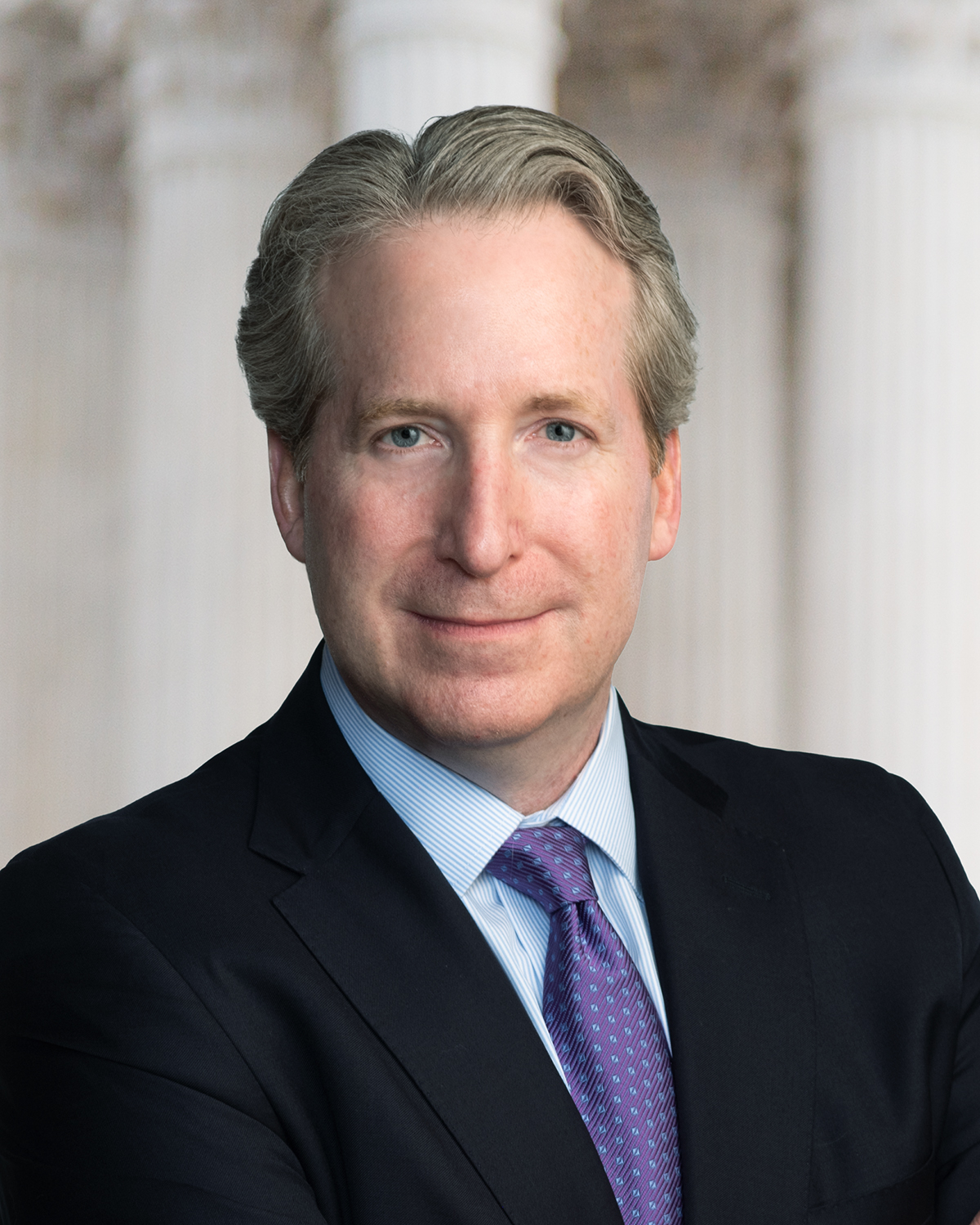 John Kelly is a partner in Barnes & Thornburg's Washington, DC office and serves as Chair of the firm's Healthcare Industry Practice.
 Jacquelyn Papish is a partner at Barnes & Thornburg, based in Washington, DC.