Overcoming 6 data management challenges in flow cytometry
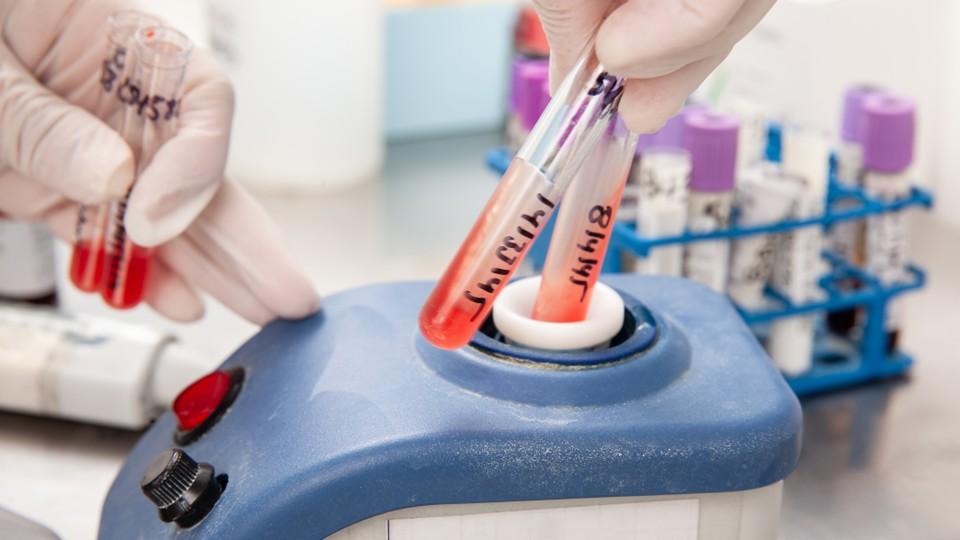
Large-scale flow cytometry delivers critical biological insight by enabling multidimensional analysis of individual cells, making it fundamental to medical research. As assays evolve to capture more parameters and sample sizes increase, data complexity rises exponentially, which pushes the limits of traditional storage and analysis systems.
Pharma teams now face mounting technical and operational challenges, like maintaining consistency across platforms and collaborators. Robust data management strategies help minimise the risk of these insights becoming fragmented or siloed. Addressing these pain points requires a blend of scalable infrastructure and disciplined metadata practices that can support speed and reproducibility at scale.
1. Limited scalability of analysis pipelines
Manual gating and traditional desktop-based tools struggle to keep up as flow cytometry studies grow in scale and complexity. The rise of mass cytometry and advancements in spectral flow cytometry have enabled the measurement of more parameters per cell, beyond what older techniques can handle. This surge in high-dimensional data demands more sophisticated analysis pipelines, often relying on machine learning algorithms to uncover subtle biological patterns.
Legacy tools fall short in processing power and introduce bottlenecks that delay downstream decisions, especially when analysts must repeat manual steps across large sample sets. Pharma teams can shift toward batch-capable, automated workflows deployed on centralised computing environments. These solutions improve throughput and support more consistent, reproducible outcomes across multicentre studies.
2. Inconsistent data formats across instruments
Different vendors and software versions often produce proprietary or inconsistent file formats, which creates major friction during cross-study analysis and collaborative research. These incompatibilities make it difficult to merge datasets or validate findings across platforms, especially when studies involve multisite trials or outsourced partners. In large-scale pharma programs, even minor discrepancies in data structure can derail timelines and introduce costly rework.
To avoid these issues, organisations can adopt standardised file formats with harmonised metadata schemas enforced at the acquisition stage. Embedding controlled vocabularies and experimental descriptors directly into the file structure ensures consistency. Instrument integration with electronic lab notebooks strengthens metadata traceability and compliance. This foundational consistency supports automation and streamlined downstream analysis.
3. Exploding data volume and storage constraints
High-parameter flow cytometry instruments now generate massive, multidimensional datasets that routinely overwhelm local infrastructure. As applications expand in clinical research, labs must process increasingly diverse cell populations across larger patient cohorts. This growth multiplies the volume of data and diversifies the data types, which makes long-term storage and retrieval more complex.
To manage this load effectively, pharma teams implement tiered storage strategies that balance performance and cost. High-speed local servers handle active experiments and near-term analysis. Cloud-based or hybrid archives absorb long-term storage needs and enable secure, remote access. These multitiered environments offer the flexibility to scale with demand while maintaining compliance and accessibility across global teams.
4. Regulatory and compliance pressures
Large-scale flow cytometry datasets must meet strict standards for data integrity and traceability, especially as they become more embedded in clinical workflows. In 2023, the health care sector experienced the highest average cost of data breaches across all industries, reaching $10.92 million per incident, a reminder of the financial and reputational risks tied to weak data governance.
Ensuring traceable, tamper-resistant data is a foundational requirement. To reduce risk, organisations implement GxP-aligned data management practices that include detailed audit trails and validated workflows that lock analysis parameters and prevent unauthorised changes. These safeguards support regulatory compliance and build internal confidence in the integrity of complex datasets in drug development and clinical decision-making.
5. Metadata loss and poor annotation
An incomplete experimental context can limit the long-term value of flow cytometry datasets, especially when teams revisit data for secondary analysis or regulatory submission. When key details, like panel configurations or processing conditions, are missing or inconsistently recorded, it becomes difficult to validate findings or reproduce results. Manual metadata entry, often dependent on handwritten notes or spreadsheets, introduces further inconsistencies that reduce data quality and increase compliance risk.
Pharma labs turn to automated metadata capture at the point of acquisition to avoid these pitfalls. Integrating flow cytometers with laboratory information management systems or middleware platforms, metadata can be pulled directly from instruments and recorded in standardised formats. This approach ensures every dataset is traceable and compliant, which supports internal reproducibility and external regulatory readiness.
6. Reproducibility and version control issues
Flow cytometry data is inherently complex, often requiring preprocessing steps like spectral overlap and wide dynamic ranges, before any meaningful analysis can begin. These steps, from transformation to gating, are susceptible to parameter changes. Yet, in many labs, modifications to these parameters occur without formal documentation or version tracking. As a result, workflows drift over time, which makes it nearly impossible to reproduce results or defend findings during regulatory reviews.
To reduce variability and strengthen reproducibility, organisations adopt version-controlled analysis pipelines that lock preprocessing and modelling parameters within validated workflows. These pipelines maintain a complete history of changes, which ensures that data interpretations remain traceable and defensible throughout the research life cycle. When paired with centralised platforms, they also promote consistency across global teams and reduce the risk of non-compliance due to undocumented workflow changes.
Building a foundation for scalable, compliant data practices
Effective flow cytometry data management requires scalable systems and strong governance frameworks to support pharma-specific compliance and analytical needs. Addressing these challenges early ensures data integrity and strengthens regulatory readiness across clinical and research programs.
About the author

As features editor at ReHack Magazine and a contributor at HIT Consultant, the Journal of mHealth, and VentureBeat, Zac Amos writes about healthcare tech from a cybersecurity perspective.