Harnessing AI to transform end-to-end customer engagement for pharma and biotech

Artificial intelligence (AI) has high strategic importance within biopharma marketing, sales, and commercialisation and nearly six in 10 pharma leaders report seeing 2x ROI from AI initiatives within a year.1 However, challenges in scaling across decentralised teams mean adoption remains low: less than 5% of leaders consider their organisation fully mature in using AI for sales or HCP and DTC marketing.2
To scale effectively, we need end-to-end solutions which can be implemented quickly, measure outcomes in real-time, and deliver ROI. And if built effectively, AI could reduce commercial planning and execution timelines from 18 to as little as six months through faster action, smarter resource use, and more impactful customer engagement.
How AI can now be used in marketing
Generative AI for content was a great starting point for many teams, but AI can go far deeper. It can also unify brand and field, drive efficient execution, refine strategy and tactics in real time, and, critically, measure impact on business outcomes like script lift in real time.
AI can now deliver hyper-personalised, adaptive HCP journeys at scale. Through an end-to-end system, rather than numerous point solutions, teams can rapidly digitise brand objectives, align KPIs with business goals, account for constraints, and then harness AI-driven tactics across channels.
Dynamic, AI-driven profiles for each HCP provide up-to-date audience intelligence on the channel, vendor, format, and message type that will resonate most. Assets can then be deployed in individualised sequences according to those preferences to create a more efficient, personalised, and impactful campaign.
Direct-from-source data pipelines and machine learning (ML) models dynamically adjust and inform channel and vendor media selection, optimising HCP engagement. Intelligence on which HCPs prefer sales engagement and shared journey visibility for each customer also give reps deeper insights into where to spend their limited time effectively.
Rather than waiting months to know what is working, harnessing AI helps deploy every dollar where it will yield the highest ROI and get clear metrics quickly to improve impact.
Unified field and digital dashboards can show leading delivery metrics like reach and lagging indicators on HCP engagement, field uptake of recommendations, and strategy adherence. By quickly parsing data from numerous sources, these dashboards also give rapid clarity on ROI by showing both individual HCP-level and aggregate impacts on revenue and script lift.
Predictive focus through optichannel marketing
Despite significant investments, volume-based omnichannel approaches have failed to deliver. Almost eight in 10 pharma company executives say omnichannel had ‘little to no impact’ on customer engagement.3
In contrast, optichannel focuses on being precisely where it matters, transforming how we connect with HCPs and patients. This introduces efficiencies across the product lifecycle, and optichannel approaches have been shown to deliver a 3x average script lift, an 80% increase in HCP engagement rates, and 20-30% budget savings compared to traditional media buying models.
Advanced AI techniques and the systems described above make rapid, data-driven decision-making achievable to invest only where data predicts resonance. Instead of buying media on every channel, optichannel allows marketers to invest in the optimal media mix for their audience, based on performance data and the real-time preferences and behaviours of each customer. It also maximises rep time through similar real-time AI insights embedded within their workflows to improve performance.
How it works in practice
Let’s explore a specific scenario of applying optichannel, powered by AI.
A brand launching in a mutation-driven indication encounters several challenges – a niche patient population, a specialised provider pool, and a small field force covering large territories.
A human-in-the-loop, AI-powered platform can rapidly create thousands of personalised, HCP journeys across all digital and field touchpoints, including third-party media. Systems can take in trigger data, or real-world signals like diagnosis and mutation test data, predictive models and even HCP behaviours, then deploy content to HCPs via their preferred channels and vendors within hours of them seeing an eligible patient. ML evaluates their actions and can immediately adapt that journey and next steps.
Simultaneously, reps receive predictive recommendations and the full context of a target HCP’s journey. Delivered directly into their CRM, these have historically improved rep adherence to brand strategy by 22%.
AI value and constraints
You’ll need a system that continuously learns and accounts for many complex factors, such as urgency, HCP value, peer comparison insights, channel effectiveness, and resource constraints. What you feed in is crucial, so platforms must be built on robust, clean data. Traditional ML and rules-based systems, as well as newer, more dynamic AI techniques, can then come together to deliver recommendations that are insightful, contextually relevant, and scalable.
Transparency and auditable explainability are non-negotiables. For teams to adopt new tools and move more effectively without sacrificing control, trust, and compliance, users should receive clear context on why an action was recommended, what data informed it, and how it aligns with strategic goals.
With budgets tightening and consumer expectations rising, marketing strategies must evolve and harness the power of new technologies. When deployed correctly, AI can streamline operations, orchestrate engagement across functions, and improve execution in real time, thus giving biopharma companies a competitive edge.
Another dimension is also emerging as clinicians and consumers increasingly turn to AI and specialised medical chat tools to ask questions about symptoms, therapies, and treatment pathways. As these interfaces become part of everyday decision making, the quality of engagement will depend on the context and priorities that surround the AI response. Optichannel orchestration therefore becomes more critical, providing the strategic layer that ensures information delivered by these assistants reflects brand intent, clinical accuracy, and individual customer needs. Without this connective intelligence, AI risks amplifying noise. With it, organisations can guide interactions, whether human- or machine-mediated, toward coherent, compliant, and measurable outcomes.
AI can now empower marketers to deliver the right strategic information and invest in the right channels at the right time. Ultimately, that means delivering business outcomes faster and more effectively than ever before and achieving the long-time holy grail in pharma commercialisation: finally unifying brand and field.
References
- https://www.iqvia.com/-/media/iqvia/pdfs/library/white-papers/ai-in-life-sciences-commercialization-white-paper.pdf
- https://thedhcgroup.com/wp-content/uploads/2026/01/DHCG-Annual-Trends-Survey-Jan-2026-Infographic.pdf
- https://www.graphitedigital.com/insights/disconnected-pharma
About the author
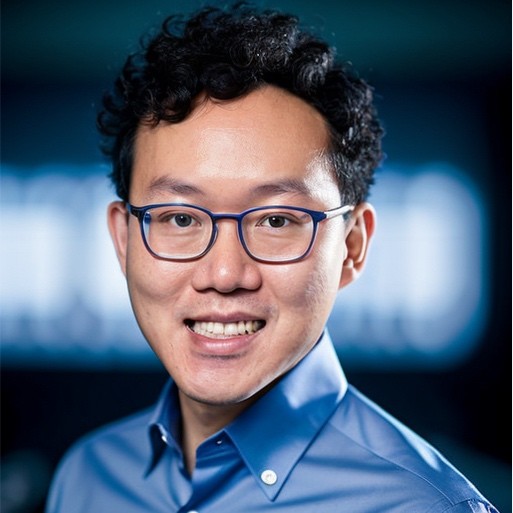
Derek Choy is head of product at PharmaForceIQ. He is a product-driven technology leader and entrepreneur with deep experience in building and scaling AI powered solutions, fostering innovation, and delivering customer centric products. Most recently as a co-founder of Aktana before its acquisition by PharmaForceIQ, Choy shaped the company’s product vision, championing its mission across the life sciences industry, and delivering solutions to customers on four continents. Before launching Aktana, Choy built a diverse career across the technology and services sectors, developing deep expertise in sales force optimisation, change management, and technology implementation. His experience includes driving new market and product initiatives at Intuit, advising public and private sector clients at The Boston Consulting Group, working at major law firms in Australia and Hong Kong, and co-founding a medical IT company in Australia.