Treating mechanisms, not symptoms: ALS R&D today

Amyotrophic lateral sclerosis (ALS) is a progressive nervous system disease affecting nerve cells (motor neurons) in the brain and spinal cord. Also known as Lou Gehrig’s disease, in ALS the brain loses its ability to start and control voluntary movements – walking, talking, chewing, and other functions, including breathing. There is no cure, but research into new therapies is ongoing.
In fact, at this point in 2026, the ALS clinical trial landscape is characterised by a significant number of active trials and sponsors – 295 active trials and 200 sponsors, to be precise, with 19 trials in Phase 3, according to DataLookout.
In December 2025, Dutch start-up VectorY Therapeutics was given the green light by the FDA for a phase 1/2 trial of a drug against a target implicated in up to 97% of ALS cases. Described as a first-in-class vectorised antibody targeting molecular pathways involving TAR DNA-binding protein 43 (TDP-43), a protein involved in DNA repair that has emerged in recent years as a possible driver of the nerve damage seen in the disease – the VTx-002 antibody is delivered by an adeno-associated virus (AAV) vector and produced continuously within target cells after a one-shot administration into the cisterna magna (CM) of the brain.
VTx-002 is not expected to be suitable for ALS patients whose disease is caused by SOD1 genetic mutations, however, who can be treated with Qalsody, nor cases linked to FUS mutations. Qalsody (tofersen) – developed by Ionis Pharmaceuticals and licensed to and co-developed by Biogen – is limited to use in patients with specific mutations.
Targeting the mechanisms, not the symptoms
MediciNova is another company working in the ALS space. MediciNova is a clinical-stage biopharmaceutical company developing a broad late-stage pipeline of novel small molecule therapies for inflammatory, fibrotic, and neurodegenerative diseases. The company’s lead asset, MN-166 (ibudilast), is currently in Phase 3 for ALS and degenerative cervical myelopathy (DCM) and is Phase 3-ready for progressive multiple sclerosis (MS). MN-166 (ibudilast) is also being evaluated in Phase 2 trials in Long COVID and substance dependence.
Rather than focusing on symptoms, MN-166 aims to slow or halt disease advancement by targeting the underlying mechanisms responsible for neuronal damage, a critical unmet need in ALS treatment.
In September 2025, MediciNova announced that it had successfully completed enrolment of the target number of participants in its randomised COMBAT-ALS Phase 2b/3 clinical trial of MN-166. And in July 2026, the company announced that the target enrolment of 200 patients had been achieved in the SEANOBI-ALS study (Scalable Expanded Access with Analysis of Neurofilament and Other Biomarkers in ALS) evaluating MN‑166. The Expanded Access Program SEANOBI study is funded by National Institute of Neurological Disorders and Stroke (NINDS) National Institutes of Health (NIH), supported under the ACT for ALS. It is designed to provide MN‑166 to individuals living with ALS who are not eligible to participate in ongoing randomised clinical trials.
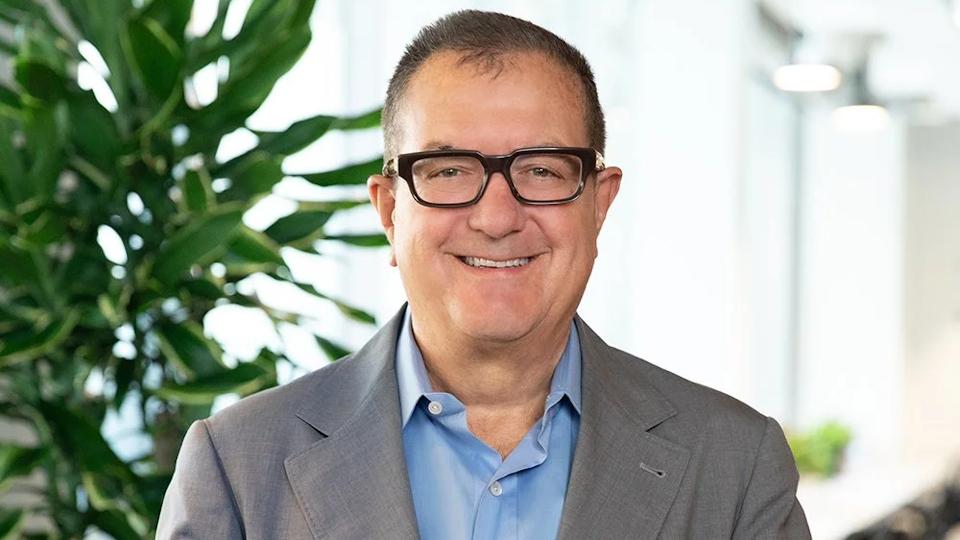
To find out more, pharmaphorum spoke with Dr Yuichi Iwaki, president and CEO of MediciNova, and Dr David Crean, MediciNova Board Director and biotech investor, for commentary on the latest progress being made in the fight against ALS.
Neuroinflammation’s role in ALS
“Neurodegenerative disease is not easy to be controlled because of all the complexity,” began Dr Iwaki. “However, the bottom line is they have the inflammation, number one. Number two, the neurons are damaged unrecoverably. And number three, for the ALS patient, the level of the macrophage inhibitory factor (MIF) is very high. So, if we can change the three factors through ML166, we're hoping we can control the ALS.”
This journey into ALS began with publication in 2018 in The New England Journal of Medicine of the results of the SPRINT-MS Phase 2b trial of MN-166 in progressive multiple sclerosis (progressive MS). The Phase 2b Secondary and Primary Progressive Ibudilast NeuroNEXT trial in Multiple Sclerosis (SPRINT-MS) included 28 enrolling clinical sites across the US and was designed to evaluate the safety, tolerability, and activity of MN-166 administered orally twice daily to subjects with primary progressive or secondary progressive multiple sclerosis (PPMS or SPMS, respectively).
“We were approached by Dr Benjamin Rix Brooks at the Atrium Health Neurosciences Institute, Department of Neurology, Carolinas Medical Center, who said that, if it works for multiple sclerosis, particularly for the progressive type of multiple sclerosis, it should work for ALS,” explained Dr Iwaki. “However, we didn't have the money. We responded to him, ‘Thank you for your advice, but we don't have the money’. Then, what he said was, well, he can cover all the costs because this is the compound that we should not miss.”
Over three years later, enrolment has been completed for the COMBAT-ALS Phase 2b/3 clinical trial of MN-166.
“I think one of the things we're seeing is, how do you actually now treat complex neurodegenerative diseases?” added Dr Crean. “Clinical development in this area of neurodegeneration is being redefined or re-engineered, if you will. You have platform adaptive trials which you can talk about, better prognostic tools – digital outcome measures are helping to reduce time and the number of patients needed to answer to get to these key questions. I think, in ALS, we're seeing trials that incorporate composite endpoints, like the combined assessment of function and survival, along with other rating scales: strength, quality of life survival gives a more holistic view of the benefits. And then lastly, the third wave is [that] therapeutic modalities and innovation are just off the charts.”
Important milestones and future clinical steps
COMBAT‑ALS is MediciNova’s ongoing Phase 2b/3 randomised, double‑blind, placebo‑controlled clinical trial evaluating the efficacy, safety, and tolerability of MN‑166 (ibudilast) in individuals with ALS. A total of 234 patients have been randomised across clinical sites in the United States and Canada. The study includes a 12‑month double‑blind treatment period, followed by a 6‑month open‑label extension. Top‑line results are expected by the end of this year. COMBAT‑ALS is designed to generate the controlled‑trial evidence necessary to support MN‑166’s potential future approval for the treatment of ALS.
Meanwhile, the SEANOBI Expanded‑Access Program (EAP) is a US‑based initiative funded by a $22 million NINDS/NIH grant under ACT for ALS, designed to provide MN‑166 to individuals living with ALS who are not eligible for ongoing randomised clinical trials. The programme is structured to collect valuable real‑world clinical outcomes and biomarker data, including neurofilament levels.
“We feel like these milestones reflect the commitment not only of the company, but, most importantly, of patients, caregivers, investigators, and advocacy groups who made [this] possible,” stated Dr Crean.
“Together with our COMBAT‑ALS study, SEANOBI brings forward both clinical and real‑world evidence that will support discussions with regulators,” commented Dr Iwaki. “We believe this combined data, along with having Orphan Drug Designation from FDA and EMA and Fast Track Designation from FDA, will help us advance MN‑166 one step closer to becoming an approved treatment option for people living with ALS, who urgently need more choices.”
About the interviewees
 Dr Yuichi Iwaki, MD, PhD, is the founder, president, and CEO of MediciNova and a physician-scientist with extensive experience in biomedical research and drug development. He holds three professorships at the University of Southern California School of Medicine and has served as Director of its Transplantation Immunology and Immunogenetic Laboratory since 1992. Dr Iwaki is the author of more than 200 peer-reviewed publications and 40 books and has advised pharmaceutical companies and venture capital funds on research and investment strategies for more than 20 years. He received his MD and PhD from Sapporo Medical School in Japan.
 David H. Crean, PhD, has served as chief business officer of MediciNova since May 2021, bringing extensive experience in life sciences strategy, finance, and business development. He is president and CEO of Coast BioVentures and managing partner of Cardiff Advisory, where he focuses on strategic and financial advisory services, mergers and acquisitions, and partnering transactions. Dr Crean serves as Chairman of the Board of Histogen and on the Executive Committee of the California Life Sciences Association. He holds an MBA in Finance from Pepperdine University, a PhD in Biophysics and MSc in Oncology from the State University of New York at Buffalo, and a BSc in Biology/Pre-Med from Canisius College.