Roche adds another obesity drug with $1.16bn Rona deal
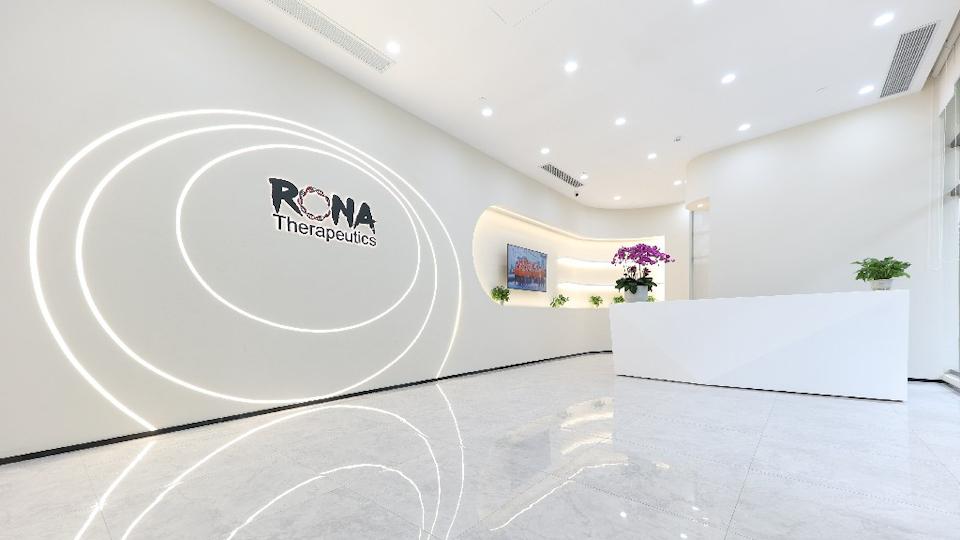
Roche has added to its weight-loss drug pipeline again, turning to China's Rona Therapeutics for an RNAi candidate targeting ALK7.
Shanghai-headquartered Rona – which also has a US unit in Santa Barbara, California – is in line for upfront and near-term payments totalling $100 million from the Swiss pharma group, plus up to $1.06 billion in development, regulatory, and commercial milestone payments and royalties on any eventual sales.
According to Rona, ALK7 is an interesting target in obesity and metabolic diseases because it is predominantly expressed in adipose tissue.
That means that it can be targeted by drugs to reduce visceral adipose tissue (VAT) and other fat deposits while preserving muscle mass, avoiding one of the negative consequences of treatment with the current generation of incretin-based weight loss therapies.
It has been speculated that ALK7-directed therapies may also deliver other benefits like improved insulin sensitivity and reduced fat cell-driven inflammation, and could have a role to play in combination with incretin therapies.
Roche's entry into the category comes just a few months after GSK also licensed an early clinical-stage ALK7-directed RNAi therapy from China's SiranBio, codenamed SA030, in a $1 billion-plus deal.
"Obesity is a complex chronic disease with significant unmet medical needs for new mechanisms that can improve the quality and durability of weight loss," said Stella Shi, chief executive and founder of Rona.
"ALK7 is a compelling obesity and metabolic disease target with the potential to directly address adipose tissue biology."
Along with working on in-house weight-loss programmes, Roche has signed a series of deals to add further obesity candidates to its pipeline as it tries to narrow the lead held by companies like Novo and Eli Lilly, which currently dominate the weight-loss sector.
That includes this year's $2.3 billion alliance with Hanmi Pharma, giving Roche rights to UCN2 analogue HM17321, as well as a $5.3 billion deal with Zealand Pharma centred around long-acting amylin analogue petrelintide, signed in 2025, and its $3.1 billion takeover of Carmot Therapeutics in 2023.
Its aspirations in the category took a hit earlier this year with phase 2 results for petrelintide that were viewed as less impressive than had been achieved with Lilly's rival amylin analogue eloralintide.
"Obesity represents a significant health challenge that requires differentiated treatment options for patients," said Boris Zaïtra, head of corporate business development at Roche.
"We are excited to partner with Rona Therapeutics, complementing our robust […] pipeline and reinforcing our commitment to delivering next-generation metabolic therapies."