Roche’s Genentech strikes $2.3bn deal for Hanmi obesity drug HM17321
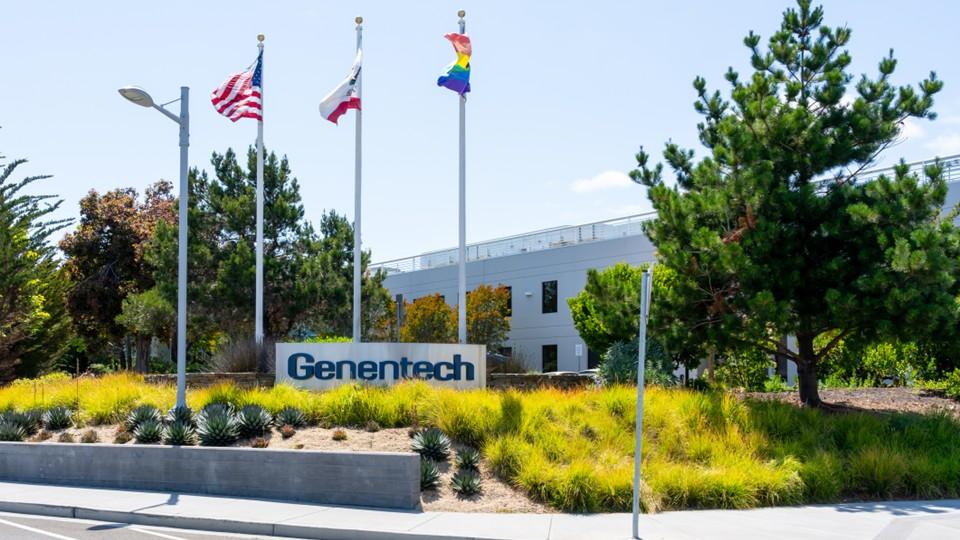
Roche’s Genentech has agreed a deal worth up to $2.3 billion to develop and sell Hanmi Pharmaceutical’s experimental obesity drug HM17321, as the US-based drugmaker looks to explore treatments that can preserve muscle alongside weight loss.
Genentech will pay Hanmi $190 million upfront under the agreement, which covers development, manufacturing, and commercialisation of HM17321 worldwide, except South Korea. Hanmi will also be eligible for further payments, as well as royalties on sales.
Maintaining muscle while reducing fat has been a prominent focus for drugmakers in recent months, as companies look for new ways to compete in the rapidly growing GLP-1 category.
Headline drugs, such as Novo Nordisk’s Wegovy and Eli Lilly’s Mounjaro, have already demonstrated that targeting hormones involved in appetite and metabolism can be an effective weight loss treatment. However, current pharmaceutical interventions do not differentiate between adipose tissue and lean body mass, including muscle.
“The paradigm of obesity treatment is evolving beyond simple weight reduction towards improving body composition and restoring metabolic health,” said In-Young Choi, senior executive vice president, head of R&D division of Hanmi Pharm, in a statement. “We are very pleased that the differentiated scientific mechanism and development potential of HM17321 have been recognised by the global market.”
HM17321 is designed to take a different approach. The peptide is a long-acting analogue of urocortin-2, or UCN2, which activates the corticotropin-releasing factor 2 (CRF2) receptor, rather than the incretin pathways targeted by drugs such as semaglutide and tirzepatide.
In animal studies, Hanmi said the drug reduced body weight and fat mass while increasing lean mass. It also showed additional effects when combined with GLP-1-based therapies, raising the possibility of using HM17321 alongside existing incretin drugs or developing future fixed-dose combinations. That could eventually make the drug useful alongside existing obesity medicines, although, those findings have yet to be shown in humans.
HM17321 entered clinical development after the FDA cleared an investigational new drug application in November 2025, and a Phase 1 study is now assessing its safety, tolerability, pharmacokinetics, and pharmacodynamics in healthy volunteers and people with obesity.
Hanmi will finish that study before Genentech takes over development, with Phase 2 trials expected to follow.
"With our growing cardiometabolic pipeline and strong diagnostic expertise, Roche is advancing a portfolio designed to meet the diverse needs of people living with obesity and related health conditions," said Boris L Zaïtra, head of Roche Corporate Business Development. "By licensing this next-generation investigational therapy with first-in-class potential from Hanmi, Roche and Genentech will pursue a differentiated approach to selectively reduce fat mass while improving both muscle mass and muscle function. We look forward to further developing this medicine in order to address important unmet needs for people living with obesity and other metabolic diseases."