Longevity studies in life sciences today

From moonshot longevity innovations to progress in the pharmaceutical setting – advances in multi-omics, artificial intelligence (AI), deep learning (DL), ageing biomarkers, precision imaging, ageing clocks, robotics, smart technologies, and more have enabled researchers to bring longevity studies into the life sciences mainstream.
At an upcoming longevity session at Biomed Israel 2026, such innovations will be further explored in terms of care delivery and therapeutics. Ahead of the conference, pharmaphorum spoke with Anat Naschitz, a life sciences investor and entrepreneur, and managing partner at 9vc.
Q. Longevity has been discussed for a while now in the context of life sciences and pharma: what's new now?
Anat Naschitz: What feels genuinely new is a convergence of forces that has brought ageing research from academia into therapeutic development. Since the field began in the 1990s until recently, longevity was fringe, and challenging to finance from an institutional perspective.
Things are very different now. For example, companies such as Altos, born with a $3bn check, devote exceptional acumen to longevity research. Alphabet’s Calico and a string of other powerhouses commit to extending healthspan, with pharma finally joining the fray through partnerships, but also in-house.
Longevity investment went from $3.8bn in 2023 to $8.5bn in 2024 (albeit in the context of a broader biotech market recovery). This momentum can be explained by several factors: decades-long research has borne fruit, with increasing evidence around several key themes [including] metabolism and inflammation.
That leads to an implicit realisation: the regulatory barrier (“longevity is not an indication”), while still present, is inherently temporary. Just as obesity, now accounting for 10s of billions of dollars in revenue, was not recognised by FDA as a chronic disease until 2007, with a 2025 upgrade, many realise that longevity will ultimately see a similar fortune […]Similarly, there is mounting evidence around several therapeutic mechanisms or principles, including mitochondrial repair/replacement, clearance of senescent cells and targeting apoptotic mechanisms, tissue engineering and organ regeneration/rejuvenation, epigenetics, multi-omics and multiple others. AI has facilitated both mapping the commonalities, but also optimising drug discovery and development.
Q. Prevention has been the word more and more focused on in terms of national and health system plans. Why is longevity very much a necessary focus for industry going forward?
Preventative measures and novel therapeutic development are synergistic strategies. Ageing is the single greatest risk factor underlying most of the conditions we spend the most resources on, and age-related diseases are inherently multifactorial, requiring a more integrated approach to meaningfully address unmet needs. Conditions like frailty, mobility loss, and cognitive decline are striking examples, as they not only translate into poor health span and quality of life, but carry a significant economic burden.
As a stark illustration, individuals who suffer a hip fracture face a three to four-fold higher risk of death compared to age-matched peers, with roughly one in four dying within the first year. For industry, investing in ageing biology and the development of novel therapeutics has never been more compelling. The opportunity to compress morbidity, reducing the period of decline, rather than simply extending life, represents a powerful value proposition for patients, payers, and health systems alike.
Q. What innovations are primed to propel longevity studies into the future here?
Several innovations are converging to accelerate longevity research. AI, multi-omics, genetics are giving us an unprecedented ability to map biological mechanisms across species. Breakthroughs in epigenetic reprogramming and cellular rejuvenation that were once confined to academic labs are now finding their way into active drug development programmes. Meanwhile, wearable devices capable of continuously tracking parameters such as sleep, gait, and mobility are enabling large-scale data collection that is reshaping how studies are designed and how we measure clinical endpoints.
Q. How does the innovation landscape of Israel support this?
Israel is uniquely positioned to contribute to longevity research. The country has one of the world's most vibrant innovation ecosystems, with world-class academic institutions, leading hospitals, and exceptional human capital driving breakthroughs across technology, biotech, and healthcare. AI is increasingly shaping every facet of drug development and Israel is at the forefront of this transformation, with a thriving AI sector that is deeply integrated into its life sciences community. This combination of scientific depth, clinical infrastructure, and AI-driven innovation makes Israel a natural hub for the kind of cross-disciplinary collaboration that longevity research demands.
Q. And what can we expect next?
The field is at an inflection point, driven by sustained momentum in investment, biotech formation, and growing engagement from major pharmaceutical companies. We can expect meaningful advances across all areas of aging research and drug development, from biomarker discovery to clinical trial design. And perhaps most remarkably, cellular partial reprogramming as a therapeutic approach is advancing toward the clinic for the first time. Over time, we expect the FDA to catch on and provide a clear regulatory path that would shortcut drugs to humans.
About the interviewee
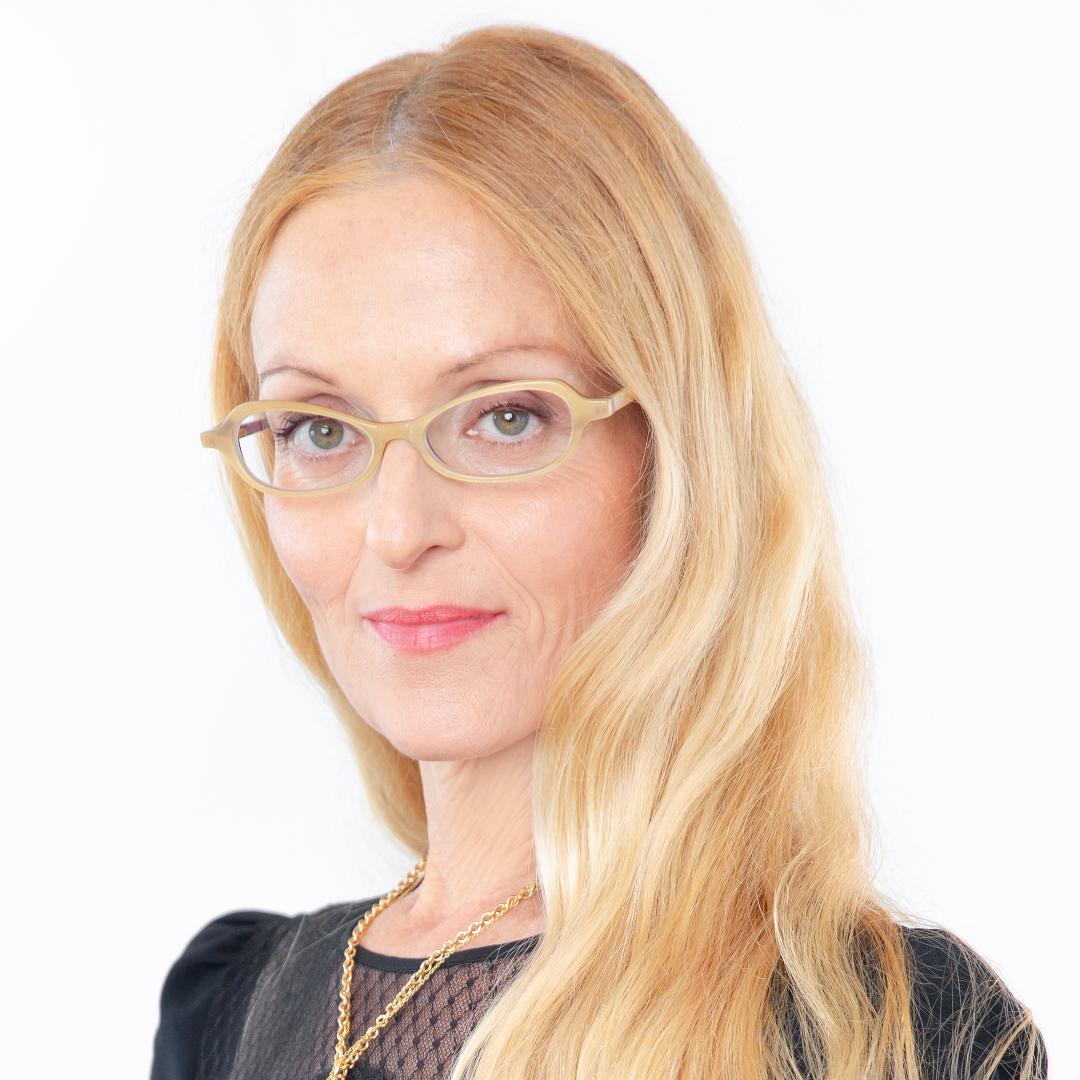
Anat Naschitz is a life sciences investor and entrepreneur, and managing partner at 9vc. She focuses on late-stage therapeutics, using tech, connectivity, and experience to identify, derisk, and upgrade investment opportunities. One of her favourite investments is 89bio (Nasdaq:ETNB), which she co-founded as a pharma spinout and supported as an active Board Member from inception, both pre and post IPO, through phase 3 in MASH and HSTG. In September 2025, Roche acquired the company for up to $3.5bn. Naschitz serves on several boards of public and private companies. She is on the Board and Audit Committee of Paris-based Nanobiotix (Nasdaq:NBTX), advancing several platforms of physics-based therapeutics. Naschitz’ creativity extends beyond life sciences to painting and poetry, also. She speaks multiple languages, and is a very biased mother of two incredible young adults.