Longevity is not a consumer trend, but a pipeline strategy problem

Longevity is being framed as a consumer movement when, in reality, it is a pharmaceutical pipeline challenge. And pharma isn’t treating it like one yet.
In recent years, longevity has become a buzzword in wellness culture – from trendy supplements and personalised diet plans to “life‑extension” clinics and apps promising longer healthspan. Yet, as experts noted in a biogerontology paper published in Springer Nature last year, “no longevity intervention has yet been proven effective or ready for widespread clinical adoption.” The gap between expectations and medical reality remains significant.
Real longevity progress will come through rigorous pharmaceutical R&D and disease-focused strategy, not through consumer optimisation.
The wellness narrative and the science gap
It’s clear that the popularity of longevity has coincided with a consumer-culture obsession. The global wellness market is enormous ($1.8 trillion worldwide in 2024, as reported by McKinsey), and businesses are eager to capitalise on demands for anti-ageing solutions. In this context, longevity is often sold as a lifestyle upgrade (new supplements, clinics, and so on), rather than as a medical goal. For example, the complementary and alternative medicine market for anti-ageing products is already estimated at over $63.6 billion and growing, while relatively few of these interventions have shown clear benefit in humans. In short, consumer interest is huge, but it far outstrips what proven science can deliver.
Population ageing and disease burden
Ageing presents a clear biomedical challenge that wellness trends alone can’t address. Demographics tell the story: according to the WHO, by 2030, one in six people worldwide will be over age 60, and those over 80 years old will nearly triple by mid-century. Yet, even as life expectancy rises, healthspan hasn’t kept pace – people still spend roughly half of those extra years in poor or moderate health.
Age-related diseases like cancer, Alzheimer’s, diabetes, and arthritis account for an enormous share of illness – more than 600 million disability-adjusted life years (DALYs), about one-third of the global disease burden. Addressing even half of that burden (for example, by delaying disease onset) could yield an economic payoff of $2 trillion per year. The human and economic impacts of ageing-related diseases are massive, so ageing biology merits serious R&D attention.
Integrating ageing into drug pipelines
Fortunately, elements of the industry are already moving in that direction. Geroscience – the idea of treating fundamental ageing mechanisms to prevent disease – is gaining traction in biomedical research. Longevity-related R&D is on the rise: investments have quadrupled, and trial starts have risen roughly 27% over five years, creating a pipeline of “several hundred” drug candidates. These candidates range from experimental senolytics and gene therapies to repurposed pharmaceuticals. Companies such as Rubedo Life Sciences, developing senolytic therapies targeting age-related diseases, and Insilico Medicine, applying AI-driven drug discovery to accelerate ageing-related pipelines, illustrate how longevity is increasingly embedded into serious therapeutic development, rather than positioned as a standalone “anti-ageing” category.
The critical insight is that ageing biology must be integrated into disease pipelines: trials are now being designed for dementia, cardiovascular ageing, liver disease, and more, not just vague “youthfulness” claims. In this way, companies tackle concrete conditions, not marketing buzzwords.
The importance of evidence-driven longevity
The mismatch between hype and real science can slow progress. Drugs don’t get approved for “ageing” itself – only for specific conditions or symptoms – so, any longevity approach must be tested in trials with clear endpoints. When the emphasis stays on wellness marketing, promising ideas may never reach Phase 3 studies (or any Phase at all). We need many more longevity candidates to run through the rigours of drug development, not more beauty creams or overpriced diagnostic gadgets with no proven benefit. Pharma pipelines must take the lead in defining longevity initiatives.
Advanced digital tools can support longevity R&D — but only when integrated into clinical strategy. Wearables, remote monitoring, and AI-enabled patient engagement can improve trial enrolment, data capture, and the generation of real-world evidence. These tools should function as infrastructure for therapeutic development, not as standalone wellness products.
Real progress in longevity requires reframing the narrative. Longevity must be treated as a core element of pharmaceutical strategy - with clear disease indications, defined regulatory pathways, validated biomarkers, and measurable clinical endpoints. The question is not how to sell more “anti-ageing” products, but how to delay, prevent, or treat age-related disease through rigorous drug development. When longevity is embedded into pipelines, rather than marketed as a lifestyle upgrade, it moves from trend to infrastructure.
About the authors

Sergey Jakimov is a founding partner of LongeVC, a venture capital fund supporting early-stage biotech and longevity-focused founders that are changing the world. He is a serial entrepreneur, having co-founded three deep-tech ventures and raised more than $50 million in venture funding for his own ventures and as an entrepreneur in residence. He has worked with several other early-stage companies in the therapeutics space on fundraising, IP protection, and clinical trial strategies. He is also a visiting lecturer at several universities on venture capital and intellectual property rights, and co-authored a Master's programme in Technology Law at the Riga Graduate School of Law. Since 2018, he has co-founded a medical tech start-up, Longenesis. In 2020, he co-founded LongeVC, and in 2021, the Longevity Science Foundation, a non-profit organisation advancing the field of human longevity by funding research and development of medical technologies to extend the healthy human lifespan. He holds a BSc in International Affairs from Rīga Stradiņš University and two MScs in Political Science and Government and Law and Finance from Central European University and Riga Graduate School of Law, respectively. He was named Forbes Latvia 30 Under 30 in technology and healthcare in 2020.
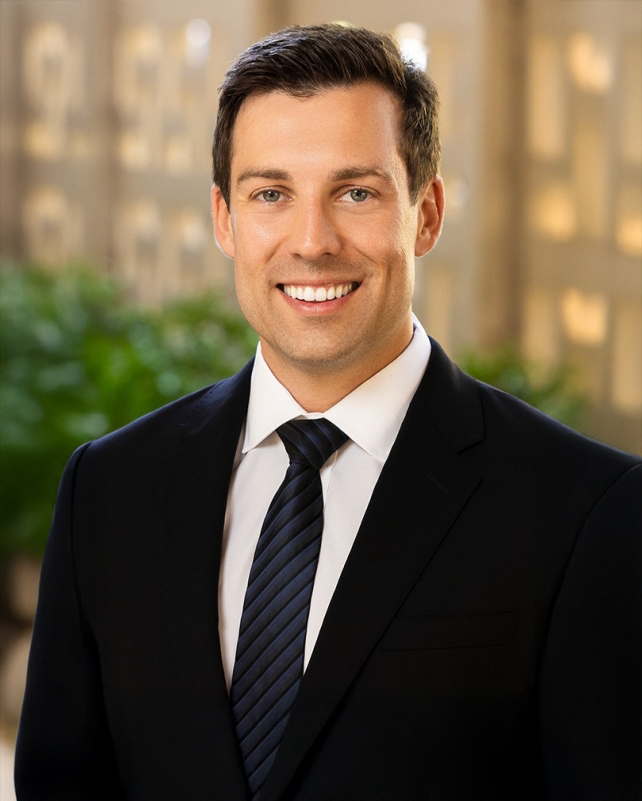
Artem Trotsyuk is a partner at LongeVC, a venture capital fund supporting early-stage biotech and longevity start-ups. He is a bioengineer and computer scientist by training and an AI Fellow at Stanford University. Trotsyuk's experience focuses on early-stage investments (pre-seed, seed, up to Series A), supporting entrepreneurs to turn their ideas and visions into successful companies. Previously, he was an OpenAI Forum Member and an AI Trainer, and has worked as an entrepreneur-in-residence at the R42 venture capital fund. He completed his PhD in Bioengineering and Master's in Computer Science with an AI specialisation at Stanford University under the supervision of Dr Geoffrey Gurtner in the Department of Surgery. Trotsyuk's research interests lie in bioengineering, gene editing, wearables, CRISPR therapy, regenerative medicine, and ethical use of data in drug development.