Stem the bleeding: Rising to meet the growing demand for CGT starting material
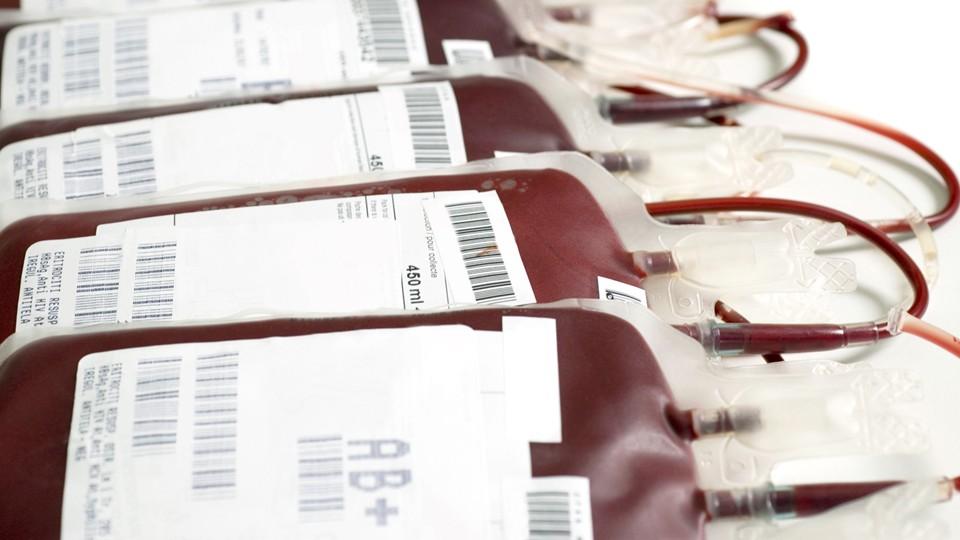
Across the US, the UK, and parts of Europe, CGT progress is being held back by an inability to secure starting material supply, and not due to any sudden or unforeseeable crisis.
Demand for curative cell and gene therapies (CGTs) for rare diseases, blood disorders, and certain cancers are advancing rapidly, and autoimmune therapies are moving closer to market for large patient populations. One of the most significant challenges to access is not scientific complexity, regulatory demands, or commercialisation difficulty, but something far more fundamental: availability of cell collections services.
At the same time, the resilience of the traditional blood donor base is eroding, there are niche needs for specific therapies requiring specific cell types and donors in targeted geographies. Without urgent action, shortages could delay or limit access to therapies that are otherwise ready to transform lives.
CGTs bring unprecedented demands. Blood centres are already acting to prevent shortages, but they need willing partners across the broader healthcare ecosystem that recognise the urgency and can support the growing infrastructure required to support the next generation of treatments.
Building within a strained system
For decades, blood centres globally have adapted to shifting donor pool demographics, with a heavy reliance on ageing donor populations. In the US, for example, the donor pool has long skewed towards donors over the age of 50.
To continue building and maintaining the broader blood supply, blood centres developed strategies to encourage and inspire younger donors, but the COVID-19 pandemic severely disrupted these efforts. Blood centres continue to work towards rebuilding their young donor base in hopes of regaining what was lost during collection restraints of the pandemic.
Accelerating growth of a young donor base
The ageing donor pool is a particular challenge for CGT, where blood and cellular products play multiple roles. The therapies themselves may rely on highly specific donor cells, often sourced from younger adults who meet narrow health and physiological criteria.
Traditional blood used for transfusion remains essential for patient care, and when supplies tighten, patients can face treatment delays, including postponed surgeries or stem cell transplants. In CGT, the risk of delay in challenging times runs higher; in the lead-up to therapeutic infusion, patients depend heavily not just on the cells used to manufacture their therapy, but on other kinds of blood support as well. Individuals who seek one of the newly available CGTs to treat their sickle cell disease, for instance, often require red cell exchange throughout their treatment journey, as well as just before their cell collection, to target and collect the right cells.
Looking to the horizon, cell therapies to treat autoimmune diseases are expected to dramatically increase demand for blood and cell products from younger donors. The average patient population for these indications is far larger than those seen to date in oncology – where growth is also expected, as CAR-T cell therapies continue to move into earlier lines of treatment. Without a larger, younger, and more diverse donor base, the scientific capacity of CGT will outpace the donor infrastructure required to support it.
Blood centres have moved to address CGT-specific challenges. Some are deploying mobile leukapheresis units to build on the popularity of bloodmobiles, expanding access to more blood services in local communities. In parallel, hub‑and‑spoke models are being implemented to bring leukapheresis and other CGT‑critical collections closer to patients, reducing travel burden while ensuring timely, reliable access to centralised manufacturing and specialised care. Others are using technology to increase youth participation – for example, targeted, hyperlocal marketing campaigns on social media and scheduling apps for a more tech-savvy generation.
Blood centres have also built new models designed to meet donors where they are. Some have begun deploying apheresis capabilities directly across national networks of fixed sites, allowing donors to participate in specialised cell collections close to home, rather than travelling to academic medical centres. Advances in apheresis technology make it easier to standardise processes across geographies and bring capabilities into new communities, as with mobile leukapheresis units that bring the experience to community locations and double as a visible educational tool.
Improving diversity
At the same time, the donor base is not yet diverse enough to meet future therapeutic needs. Less than a fifth of US donors come from communities of colour, despite the fact that conditions like sickle cell disease disproportionately affect these populations. Increasing racial and ethnic diversity is essential both for transfusion medicine and for cell therapies where genetic compatibility matters.
Especially for cell therapies, demand is increasing for rare units. In response, blood centre networks have built the data infrastructure necessary to identify these rare donors and understand how to best engage these donors and motivate them to donate.
Reaching underrepresented communities requires building relationships and sustaining engagement. The most successful strategies are targeted to reflect local needs, local history, and local concerns. In some regions, blood centres invest directly in community spaces where health education, outreach, and donation recruitment occur alongside broader community programming. These efforts build long-term relationships and help establish donation as a shared value, rather than an intermittent request.
One powerful approach leverages patient connection, often through advocacy networks. Even when patients themselves cannot donate, their friends and families understand the life-saving importance of blood and are often motivated to contribute.
A parallel opportunity for cell therapies comes with educating doctors and hospitals. Partnering with national organisations can help turn medical staff into advocates for donation. Blood centres also look to replicate the high rates of donation seen among first responders, who are motivated by their frontline experiences of using emergency blood for actively bleeding patients. With the right awareness, those who work closely with CGT patients are well-positioned to become committed cell donors.
Collaboration and advocacy across the health system
While blood centres are leading the charge, improving donor engagement to benefit CGTs requires cross-disciplinary partnership. For example, despite the central role of blood in healthcare, hospitals do not always actively promote or even discuss blood donation. Building awareness among clinicians helps in turn to educate patients and communities at large.
Government efforts can also play a role. Regulatory and reimbursement frameworks have a powerful, yet often invisible, impact on donor recruitment. Today, there is a patchwork of local rules governing the use of leukopaks; for instance, in relation to the ability to reimburse donors for their time or travel. Aligning regulations and expectations will accelerate developers’ efforts when seeking multinational approvals.
Additionally, reimbursement rates have not kept up with escalating costs for many apheresis and transfusion procedures that support CGTs. Investments in payment models for advanced therapies often overlook the supporting blood and collection infrastructure. If the donor ecosystem is to scale alongside CGT innovation, reimbursement must reflect the reality of modern cell therapy practice.
As the CGT space expands, partnership will be critical for improving and maintaining the required levels of donor engagement, especially for younger and more diverse donor groups. The therapies are ready. The science is ready. And now, blood centres are working with communities and key stakeholders to build the donor infrastructure to support a future where access to these transformative therapies isn’t limited by geography, red tape, or outdated logistics.
CGT starting material from umbilical cord blood and perinatal tissues
In addition to adult donor collections, some blood centres also operate licensed umbilical cord blood collection programmes and tissue banks, positioning them as longstanding stewards of perinatal starting materials. These programmes have historically supported haematopoietic stem cell transplantation, and cord blood units remain essential for select transplant indications today, particularly when matched adult donors are unavailable.
As the field evolves, however, demand for cord blood and perinatal tissues is increasingly shifting beyond transplantation towards use as starting material for cell and gene therapies. Cord blood-derived cells are being explored for immune cell therapies, regenerative medicine applications, and as source material for induced pluripotent stem cells (iPSCs), leveraging their biological immaturity, proliferative capacity, and favourable immunologic characteristics. Similarly, perinatal tissues such as umbilical cord tissue and placenta are emerging as valuable sources of cells and biologically active components for both cellular and acellular therapeutic development.
Importantly, these materials are collected through infrastructure that is already integrated into the blood centre ecosystem, with established processes for donor consent, traceability, testing, storage, and regulatory oversight. Unlike adult donor-dependent collections, cord blood and tissue recovery do not rely on repeat donor participation and are inherently linked to routine obstetric care, offering a complementary and scalable source of starting material.
As CGT pipelines expand, incorporating cord blood and perinatal tissue programmes more deliberately into starting material strategies can help diversify supply, reduce pressure on limited adult donor pools, and improve overall system resilience. A future-ready donor ecosystem will balance the continued clinical need for cord blood transplantation with the growing role of these sources in enabling next-generation cell therapies and iPSC-based platforms, ensuring access keeps pace with scientific progress.
About the authors
 Adrienne Mendoza is chief operating officer at BBG Advanced Therapies, and SVP at BioBridge Global, where she focuses on advancing scalable infrastructure to support cell and gene therapy development. Her work centres on donor recruitment models, mobile and decentralised collection strategies, and strengthening the operational link between blood centres and advanced therapy programmes.
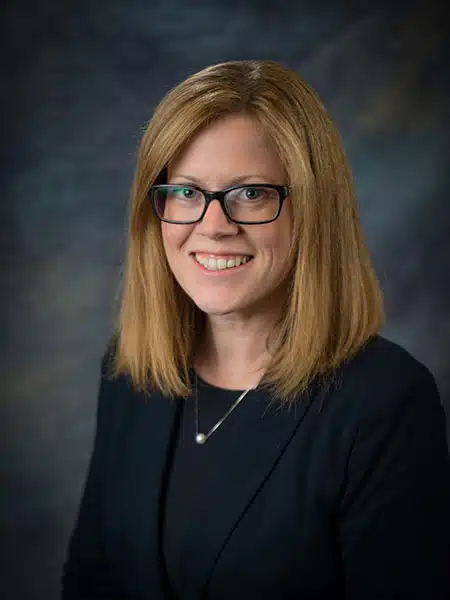 Kate Fry is president and CEO of America’s Blood Centers, the national association representing independent, community-based blood centres that provide approximately 60% of the US blood supply. She is a recognised voice on blood system resilience, donor engagement, and the policy frameworks required to sustain transfusion medicine and emerging cellular therapies.
 Joy Duemke is a global executive at Terumo BCT, where she leads marketing and commercialisation across North America. She works closely with blood centres, hospitals, and cell and gene therapy developers to expand access to blood therapies through apheresis and cell collection technologies, drawing on her experience in donor collection systems, clinical operations, and cell and gene therapy manufacturing.
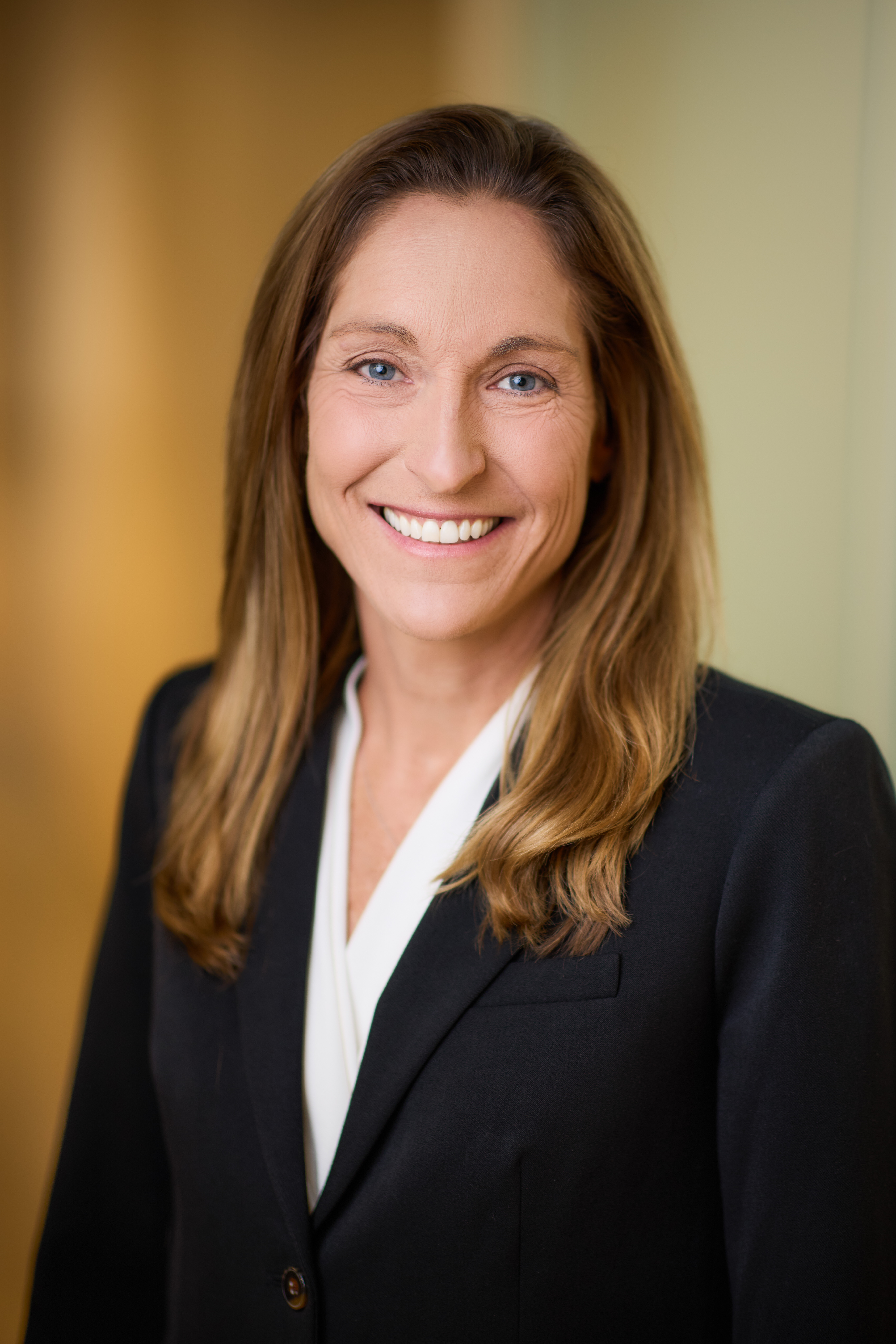 Brianna Schoen is VP of scientific development at Vitalant, one of the largest non-profit blood and biotherapies organisations in the United States. She leads efforts to optimise donor selection and advance analytics for characterising cellular starting materials to improve the manufacturability and performance of advanced therapeutic modalities.
The authors are members of the Blood and Cells Advocacy Roster (BCAR), a cross-sector coalition working to strengthen donor infrastructure, policy alignment, and long-term resilience across the blood, biotherapies, and cell and gene therapy ecosystem.