12 Questions with Kim Innes
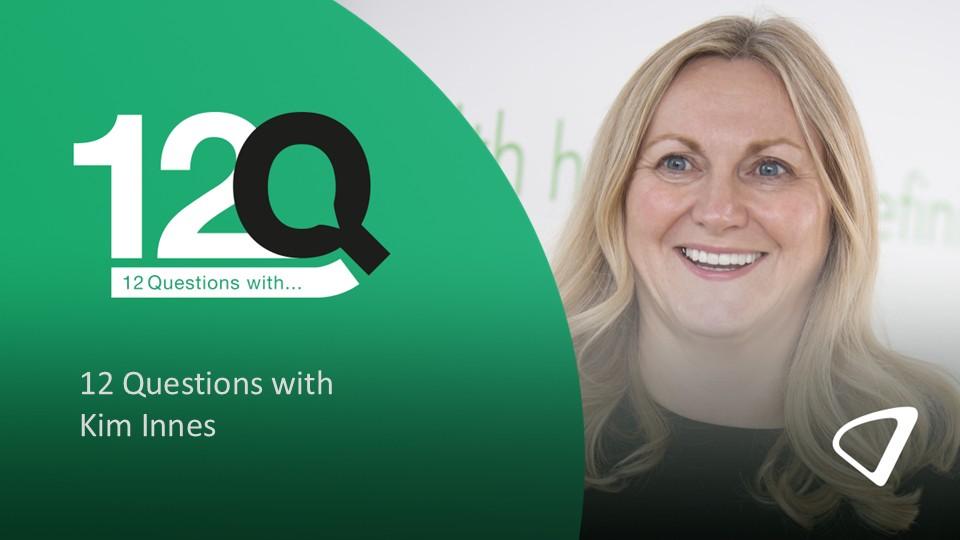
Kim Innes is General Manager of Teva UK. She has more than 30 years’ experience across the pharmaceutical industry. A Harvard Business School graduate and former Chair of the British Generic Manufacturers’ Association, Innes is passionate about improving access to medicines and building inclusive teams. She has also previously spearheaded leadership initiatives around equality, diversity, and inclusion across the UK and Europe.
What’s your background prior to this role and how did it prepare you for the work you do now? I’ve worked across many different commercial and leadership roles within Teva, including leading our UK generics and innovative businesses and supporting major global integration work around acquisitions. That breadth has been invaluable in giving me a very practical understanding of how medicines reach patients – from supply and operations through to commercial partnerships and policy.
It has shaped my belief that affordable medicines are not a side issue in healthcare. Generics and biosimilars are central to a sustainable NHS – they help more patients to access more treatment, whilst freeing up more resources across the system. This perspective is at the heart of how I lead Teva UK today.
What are the main responsibilities of your current role? As General Manager of Teva UK, my role is lead the UK business in a way that delivers for patients, the NHS, our people, our patients, and our wider organisation. This means making sure we remain a reliable supplier of affordable medicines, whilst in parallel deepening our presence into the innovative and biosimilar space by bringing new innovation to the UK market.
A big part of my role is to connect Teva’s global strategy to our execution on the ground –removing complexity and helping teams work together and collaborate around the things that matter most to our patients and customers. In the UK, that means supporting sustainable access to medicines, building strong partnerships across industry and the healthcare system, and creating the environment that enables Teva’s people to thrive and do their best work.
What motivates you about working in pharma? What motivates me is the very tangible role our industry plays in people’s lives. Medicines can sometimes feel quite technical and distant until you remind yourself that behind every pack, prescription, or supply decision sits a patient and a healthcare professional trying to navigate and do their best in a pressured and stretched system.
At Teva, I’m particularly motivated by the scale of our impact. We supply medicines that the NHS and patients rely on every day, but also have the opportunity to contribute to the future of care through biosimilars and innovative treatments. That combination of practical everyday impact and long-term shaping is what keeps the work meaningful for me.
In your opinion what has changed most about the industry since the start of your career? The biggest change I have seen is that the role of pharma has become much broader. Innovation is about more than developing medicines; it is also about how we work with healthcare systems to improve access to medicines, address unmet needs, and ultimately improve patient care.
For me, the organisations that will make the greatest difference are those that are willing to collaborate across sectors to solve the challenges that matter most to patients and society.
What is your proudest professional accomplishment to date? The moments I feel proudest of are often linked to people. Seeing colleagues and team members take on new challenges, build confidence, or bring a different perspective into the room is really rewarding.
What do you see as the biggest challenges – and opportunities – in improving patient access to affordable medicines in the UK? One of the biggest challenges is that our healthcare system is under pressure. It is not enough for medicines to exist; they need to reach the right patients at the right time, in a way the NHS can afford and sustain.
That is why generics and biosimilars matter so much. They create value by widening access and helping the NHS use resources more effectively, as well as investing in new and innovative therapies. But that value depends on a healthy, reliable, and competitive medicines supply environment.
For Teva in the UK, this means working closely with the NHS to remove barriers to patients accessing care, supporting reliable cost-effective medicines supply, and continuing to innovate to bring new treatment options to patients.
What is your personal mission statement? What values keep you centred in your work? The value that keeps me centred is fairness. I try to treat people as I would want to be treated - with honesty, respect, and an assumption of good intent. Guided by that, my leadership style is rooted in trust and transparency. I believe people do their best work when they understand what matters, and that they are respected and heard.
I firmly believe that hierarchy should never get in the way of good ideas and open conversation. As a leader, my role is to create clarity, set direction, and remove barriers so people can do their best work.
What do you think pharma will look like in 15 years? 50 years? In 15 years, I think pharma will be more connected, more data-enabled, and more focused on prevention, earlier diagnosis, and personalised care. But I also think the fundamentals will remain the same: patients will need medicines they can access, health systems will need value and sustainability, and society will expect our industry to act responsibly.
Looking 50 years ahead is much harder, but I hope we will see a healthcare system that is better at predicting and preventing disease, not only treating it. I also hope the relationship between pharma, healthcare systems, and patients becomes more collaborative and more transparent.
The science will change dramatically. But the purpose should not: helping people live healthier lives.
What advice would you give to a young person starting out in your field? Stay curious and say yes to opportunities that stretch you. Some of the most valuable experiences in my career came from roles or projects that took me outside my comfort zone.
I would also encourage people not to plan their careers too narrowly. Pharma is a complex industry, and you learn a lot by understanding different parts of the system – commercial, supply, policy, medical, operations, and people leadership.
If you could have any job other than the one you have now, what would you choose? If I wasn’t doing this, I think I’d still be doing something centred on people – perhaps coaching, wellbeing, or helping others understand themselves and each other better. I’ve always been fascinated by what helps people thrive, and by the environments leaders can create to bring out the best in others.
What’s the best film or TV show you’ve watched in the last year? I recently finished Louis Theroux’s latest documentary on the manosphere. ‘Best’ might not be the right world – it was thought-provoking, very uncomfortable at times and, as a mother with a daughter, it certainly left me with much to ponder.
Do you have any pets, what are their names and what are they like? Yes, in a way – I am a frequent dogsitter for my grand-dog Otto. Nothing clears my thoughts like a long, crisp morning walk with Otto in the Yorkshire countryside: perfection!
Connect with Kim Innes here on LinkedIn