Lung cancer vaccine renews synthetic DNA discussions
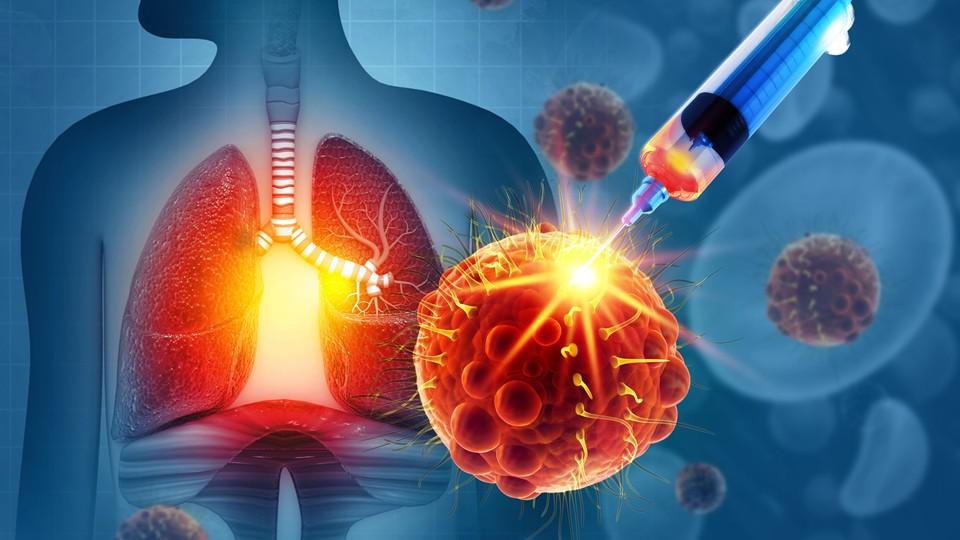
In July 2026, a UK woman became the first patient in the world to receive an experimental lung cancer vaccine developed by a consortium of academic organisations and biotech companies.
Made by taking a biopsy from the tumour to identify genetic differences between the cancer cells and normal cells (neoantigens), with advanced computational techniques used to select those that should be included in the bespoke shot, the neoantigens were made into a vaccine using a cell-free DNA manufacturing method that allows rapid production of components at a lower cost than conventional methods based on bacterial DNA.
In the UK, around 50,000 people are diagnosed with NSCLC each year, with two million cases globally, making it the third most prevalent cancer worldwide. In order to find out more about what a personalised cancer vaccine – and a cost-effective one – could mean for patients, pharmaphorum spoke with Dr Amy Walker, CEO of 4basebio, a company delivering synthetic DNA through proprietary cell-free amplification technology.
Q. Personalised cancer vaccines (PCVs) have been discussed for years, but milestones like this suggest they are moving closer to clinical reality. What has changed technologically to make this possible now?
Amy Walker: Science is continuously advancing, and huge progress has been made in our collective ability to identify tumour-specific neoantigens that can hyper-target cancer cells. That starts with a tumour biopsy and sequencing to identify these ‘non-self’ mutations that are unique to the cancer. Synthetic DNA is not what identifies the neoantigen, but it becomes an important next step once that target has been selected.
Traditional cancer medicines like chemotherapy typically target rapidly dividing cells; these drugs target the tumour, but also have off-target impacts on other cell types, including hair, bone marrow, and the lining of the digestive tract. Advances have been made in the different modalities used to treat cancers or rare diseases that make it possible to treat patients individually; mRNA and DNA specifically. For a personalised mRNA vaccine, cell-free synthetic DNA can be produced in small, patient-specific batches without the bacterial fermentation required for traditional plasmid DNA, helping shorten a manufacturing step where time matters.
Q. Synthetic DNA is an important enabling technology behind therapies like PCVs, but it rarely receives the same attention as mRNA or the finished therapy itself. What role is synthetic DNA actually playing, and why does it matter?
DNA is the part of the therapy most people never see, but everything downstream depends on getting it right.
DNA, whether synthetic or made with traditional plasmid fermentation, is the foundation for mRNA and viral vector-based therapies, and is often referred to as the “template” or critical starting material; a building block across the field of genetic medicines. As science advances, drug innovators are looking for the safest, most cost-effective, and fastest way to get a life-saving therapy to patients. Synthetic DNA fills many of the gaps left by traditional cell-based processes, like plasmid DNA. Today, it’s possible for a cell-free, synthetic amplification process to remove the plasmid backbone altogether prior to amplification, removing antibiotic-resistant genes and other impurities. This is how our team produces synthetic DNA, helping to produce a clean, high-quality product and reduce downstream processing requirements. Additionally, because this is a backbone-free DNA template, developers can use less mass input to achieve equivalent yields, ultimately resulting in lower costs at scale. That matters because the DNA template can influence not only how quickly a therapy can be made, but also how complex and costly the downstream process becomes. As genetic medicines become more personalised, the starting material has to be able to keep pace.
Q. Personalised medicine creates an unusual manufacturing challenge. Instead of producing millions of identical doses, developers may need to manufacture highly specific material for individual patients. Is the biopharma industry equipped for that shift?
Not fully, at least not yet. The science behind these therapies has progressed rapidly over the last decade, driven by advances in genomics, bioinformatics, and mRNA-based platforms. The industry, however, is still working through some of the operational challenges these technological advances bring, including how to manufacture these batch-for-one treatments quickly, cost-effectively, and reliably enough to reach patients within the narrow window when treatment can make the greatest difference.
I believe it is going to take the industry working together to bring personalised therapies into more mainstream use. And that collaboration also needs to happen earlier. Industry groups such as the Alliance for mRNA Medicines can bring leaders from developers, manufacturers, suppliers, and other stakeholders into the same room to work through shared questions around standards, regulation, and scale. Batch-for-one manufacturing touches the entire ecosystem, so no one part of it can solve the challenge alone.
Q. Where do you see the biggest bottlenecks emerging as personalised vaccines and other genetic medicines move from small clinical trials toward wider use: speed, manufacturing capacity, cost, regulation, or something else?
As more PCV programmes move toward commercialisation, attention is shifting from scientific feasibility to operational execution. Speed, cost, and regulation are considerations that need to be addressed and directly impact drug developers and ultimately the patient. One key constraint that impacts all three considerations is that much of today's manufacturing infrastructure still relies on plasmid DNA (pDNA), which is produced via bacterial fermentation in large bioreactors, requiring multiple upstream and downstream processing steps spanning weeks or even months, adding cost, time, and regulatory burden to the process.
Synthetic DNA brings a paradigm shift because it can be manufactured through an enzymatic process in weeks, rather than relying on bacterial fermentation and large bioreactors. It also requires far less physical manufacturing space. I sometimes compare the footprint difference to one parking spot versus a 100-space parking lot. That has major implications for capital investment, capacity, and cost, particularly if the industry is going to support more small, patient-specific batches.
Q. Speed is particularly critical in cancer, where patients cannot necessarily wait months for a bespoke therapy to be produced. How much further does DNA manufacturing need to evolve before truly personalised treatments can be delivered on clinically meaningful timelines?
Traditional pDNA can take months to produce at GMP-grade as it needs to propagate in E. coli. For patients with life-threatening illness, they may not have this much time. Fully synthetic DNA templates could shrink this process from numerous weeks to days and eliminate some of the inherent risks associated with plasmid manufacturing, including backbone contamination and batch-to-batch variability.
In many respects, the manufacturing technology is already here. The bigger shift now is adoption. Developers need to evaluate these approaches earlier and build development, quality, and regulatory strategies around the timelines personalised medicine actually requires. That may also mean bringing more of the manufacturing process closer to the patient to reduce handoffs between biopsy, neoantigen identification, and production. The technology can move much faster. The industry's practices now need to catch up.
Q. There is a risk that increasingly sophisticated personalised medicines become available only to patients in certain countries, health systems, or income brackets. What needs to happen now to prevent personalised medicine from widening existing inequalities in access to treatment?
There is very little value in developing a breakthrough therapy if only a small fraction of the patients who need it can realistically access it. Speed and cost are two of the main manufacturing hurdles developers are facing when it comes to personalised medicines. As a result, the industry as a whole is exploring alternative approaches to manufacturing that are better suited for personalised medicine. One element is improving the DNA template itself. Lowering manufacturing time, cost, and facility requirements can make these therapies more practical to produce in more places, but manufacturing alone will not solve the problem of access. The industry will also need to think early about how personalised medicines are evaluated, reimbursed, and delivered across different settings. New technologies always take time to move from a small number of centres into broader use, but we should be designing for it from the beginning.
Q. Do you think the rise of synthetic DNA could fundamentally change how drug developers think about manufacturing, moving it from a relatively standardised part of drug production to something much more dynamic and patient-specific?
Categorically, yes. In my view, synthetic DNA is a truly enabling technology for personalised medicines in a way that the incumbent plasmid DNA can never be. Its speed, cost, and safety benefits are increasingly leading it to be recognised as the technology of choice for n-of-one medicines.
Moreover, as a safer and high purity alternative to plasmid DNA, the possibility of using it as the drug product itself, not just as a critical starting material, becomes much more realistic, and we see increasing interest in using synthetic DNA in such applications.
Q. Looking beyond this particular lung cancer vaccine, what developments over the next five years would convince you that we have entered a genuinely new era of personalised medicine, rather than simply seeing a handful of exceptional clinical programmes?
For me, the real sign will be when personalised medicine shifts from a novel approach to a more established standard of care. I would want to see patient-specific therapies move beyond small clinical programmes and be routinely manufactured in weeks versus months. I would also hope to see regulatory and reimbursement models emerge that can accommodate batch-for-one or batch-for-few therapies at a sustainable cost. When the infrastructure around these medicines catches up with the science, that’s when we will know we have entered a new era of personalised medicine.
About the interviewee
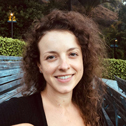
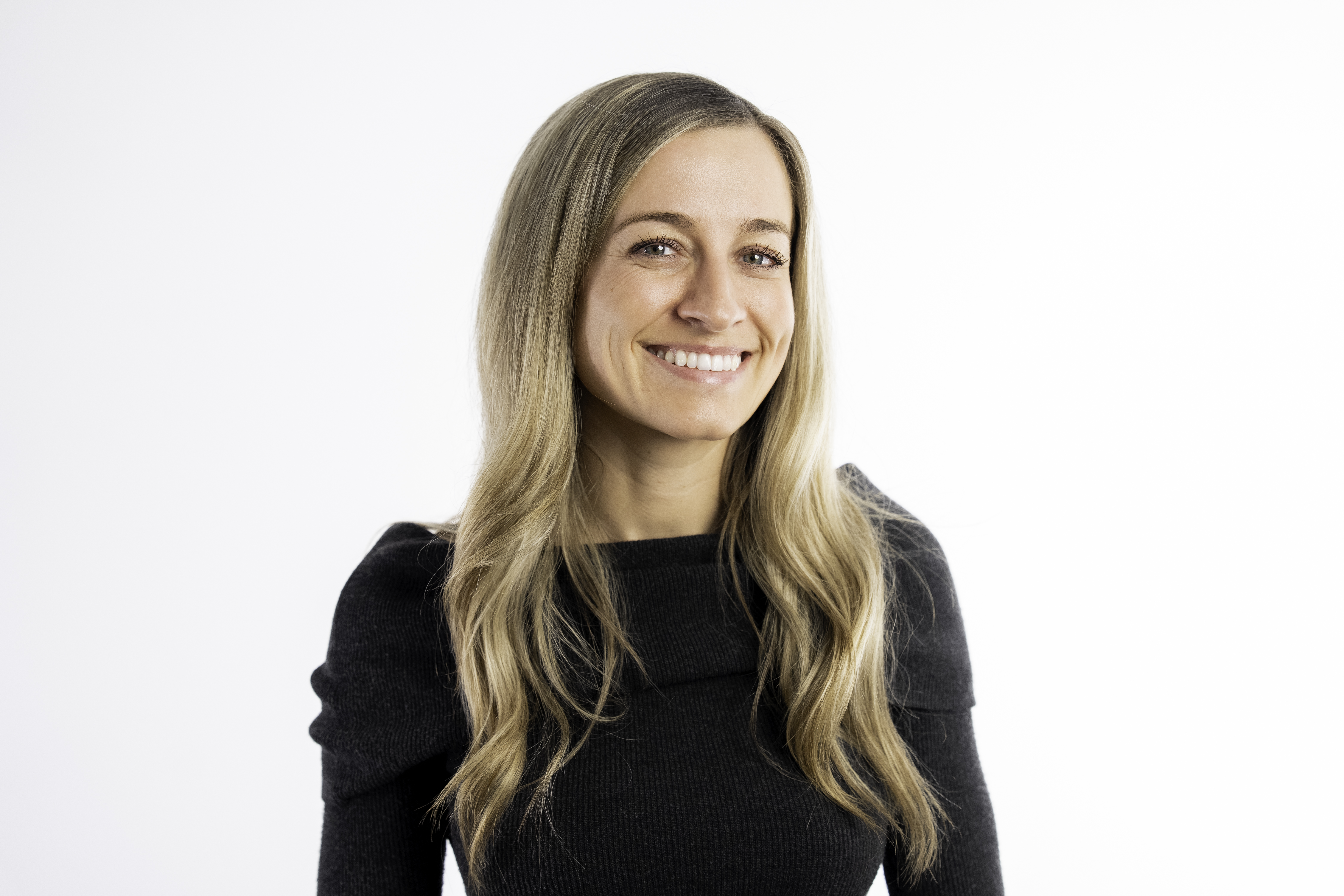 Dr Amy Walker is CEO at 4basebio, where she spearheads the development of high purity synthetic, cell-free DNA to redefine the landscape of cell and gene therapy and vaccines. Dr Walker’s trajectory at 4basebio, transitioning from VP of research and business development to COO and now CEO, reflects her unique ability to bridge the gap between complex science and commercial scalability. With over a decade of experience in molecular biology and gene editing, Dr Walker pairs deep technical rigour with a sharp commercial instinct. An alumna of the UCL Institute of Child Health and a recipient of the prestigious Bogue Fellowship, her academic foundations are bolstered by a portfolio of multidisciplinary patents and published research. Beyond 4basebio, she serves as a non-executive director for several high-growth healthcare ventures, driving innovation across the broader life sciences ecosystem.