Early diagnosis means little without timely treatment
The NHS deserves real credit for the progress it has made in cancer diagnosis.
Across the country, more people are being identified with cancer at an earlier stage than ever before. New community diagnostic centres, improved screening programmes and investment in technology are helping to catch the disease sooner, giving patients the best possible chance of timely treatment.
But there is a growing risk that we celebrate one half of the cancer pathway while overlooking the other – just as crucial – part of the patient journey.
Early diagnosis only changes outcomes if it is followed by timely treatment, and today that is where the system is increasingly under strain.
Why access matters
While diagnostic performance has improved, the NHS continues to struggle against the 62-day referral-to-treatment target. More patients are entering the system earlier, which is exactly what we want to see, but those gains inevitably create greater demand on treatment services that are already operating under significant pressure.
And that challenge is beyond prevalent in radiotherapy.
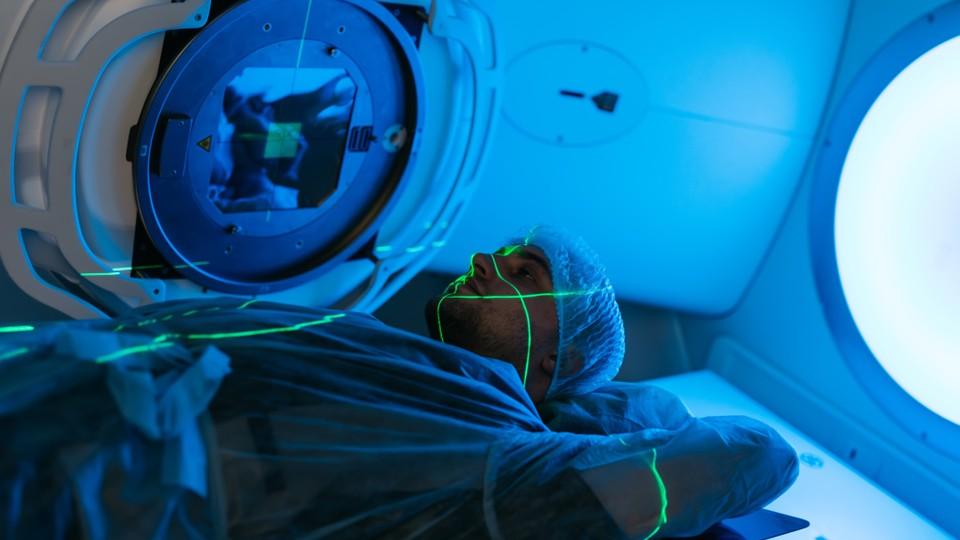
Radiotherapy remains one of the most effective cancer treatments available. More than half of cancer patients will require it at some stage during their care and, for many, it is delivered with curative intent.
Yet, despite its importance, radiotherapy often receives less attention than other parts of the cancer pathway.
This matters because radiotherapy is not simply a treatment option; it is an essential component of modern cancer care. When access is delayed, patient outcomes can suffer.
The cost of delay
Unlike many other interventions, radiotherapy is delivered in tightly scheduled courses, often daily over several weeks. Patients need to begin treatment promptly and attend sessions without interruption. Delays at the start of treatment or difficulties accessing services can have a direct impact on both patient experience and clinical outcomes.
Unfortunately, evidence suggests that too many patients across the UK are waiting longer than they should for radiotherapy and, frustratingly, only around 35% of patients who could benefit from radiotherapy currently receive it.
Recent government investment in radiotherapy equipment is welcome and necessary. Innovations such as Stereotactic Ablative Body Radiotherapy (SABR) can only deliver their full benefit if patients are able to access treatment in the first place. New techniques may improve efficiency at the margins, but they do not address the underlying challenge of insufficient workforce capacity and uneven access to services across the country.
For many patients, the issue is not whether the latest treatment exists, but whether they can start treatment quickly enough. Without greater investment in the people and infrastructure needed to deliver radiotherapy, advances in technology alone will not be enough to significantly reduce waiting times or meet growing demand.
Meeting demand in a changing landscape
The reality is that cancer treatment capacity depends on people. Therapeutic radiographers, medical physicists, oncologists, and specialist support teams are all critical to delivering safe and effective treatment. Across the NHS, these professions face significant workforce pressures, making it increasingly difficult to meet rising demand. As more cancers are diagnosed earlier, additional patients need treatment, placing further strain on already-stretched teams. While investment in new equipment is welcome, machines alone cannot solve the challenge. Without enough skilled staff to deliver care, waiting times will continue to grow and patients will face delays in accessing the treatment they need. Ensuring the NHS has the workforce to meet demand is essential if we want earlier diagnosis to lead to better outcomes.
At the same time, geography dictates access.
For many patients, radiotherapy means travelling long distances multiple times each week while coping with the physical and emotional impact of a cancer diagnosis. The burden of travel can be significant, particularly for older patients, those in rural communities, or people balancing treatment with work and caring responsibilities. This continuation of inaccessibility, despite clinical evidence suggesting that more than half of cancer patients may require radiotherapy during their treatment journey, must be reduced. And that requires a broader conversation about capacity.
The challenge is not unique to the UK. Across Europe, health systems facing similar pressures have adopted innovative approaches to expanding radiotherapy access, including satellite treatment centres, public-private partnerships, and new models of service delivery that bring treatment closer to patients.
Partnerships can provide additional investment, infrastructure, and expertise while maintaining NHS clinical leadership and standards. Where they are designed effectively, they can help increase capacity, reduce waiting times and improve access for patients without compromising quality or accountability.
The priority must always be patient outcomes. If collaboration can help more people access life-saving treatment more quickly, it should be part of the conversation about the future of cancer care.
Matching ambition with capacity
The Government's ambitions for cancer care are rightly focused on improving outcomes and reducing waiting times. Achieving those goals will require continued investment in diagnostics.
Early intervention does not end when cancer is detected.
For patients, the real measure of success is what happens next: how quickly they can access treatment, how close to home that treatment is delivered, and how confidently they can move through the system at one of the most challenging moments of their lives.
Diagnosing cancer earlier is only the first step. What truly saves lives is making sure patients receive the treatment they need, when they need it.
About the author
 Sasha Burns is CEO of Amethyst Radiotherapy UK, where she leads the strategic, operational, commercial, and clinical performance of the organisation. With more than 30 years of healthcare leadership experience, she has built a career delivering growth, transformation, and service excellence across some of the UK's leading healthcare providers. Prior to joining Amethyst Radiotherapy, Burns held chief commercial & operating officer and chief operating officer positions at Alliance Medical, leading large-scale diagnostic and imaging services, major NHS contracts, and business expansion initiatives. She has also held senior executive roles at Nuffield Health and Ramsay Health Care, with responsibility for multi-site hospital operations, financial performance, and organisational transformation.