Viral disease-carrying Aedes mosquito 'breeding in London'
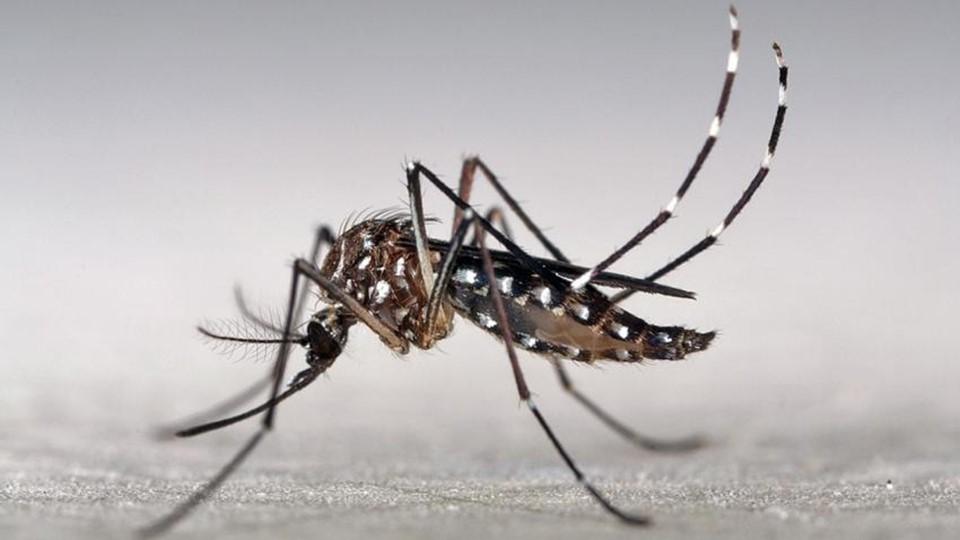
In another example of the impact of climate change on public health, invasive Aedes aegypti mosquitoes and their larvae have been discovered at residential properties in London.
The discovery by the UK Health Security Agency (UKHSA) raises the possibility that viral diseases that are known to be transmitted by Aedes mosquitoes – including dengue, chikungunya, and Zika – could start to be encountered in the UK in future.
While the species has been encountered on four occasions in recent years, this is the first time that breeding activity has been detected, said the UKHSA, which is taking measures to eradicate the mosquitoes and larvae and hunt for other signs of the species.
The agency considers the risk to the public from the discovery to be "very low," with no evidence that they have caused any human infections. It is advising residents in the area to reduce opportunities for all species of mosquitoes to breed by removing standing water from gardens and outdoor spaces, including water that collects in buckets, containers, paddling pools, and plant pots.
"Despite evidence of breeding in this local area and the recent heatwaves, the species is not established in the UK and cannot survive long-term in the typical UK climate, which is too cold overall," according to the UKHSA. "However, it is expected that in a warming climate, we will continue to see incursions of invasive mosquitoes, and increased reports of them being able to survive in the UK."
That view was echoed by Prof Heather Ferguson, an infectious disease expert at the University of Glasgow and lead of the Mosquito Scotland project, which is mapping and studying the distribution, abundance, and ecology of mosquito species.
"Despite the warm conditions over the summer, it would require a very large number of these mosquitoes and sustained warm temperatures over a long period for these viruses to be efficiently transmitted," she pointed out.
"Additionally, these mosquitoes would first need to bite people who had these diseases, which would have to have been acquired outside of the UK, to start off the transmission cycle."
However, she added that the UK does need to prepare and continue to monitor for the arrival of invasive mosquito species, given the impact of climate change and the risk that species – once they do establish in the UK – may be able to spread diseases.
That risk is escalated by London's very large and highly mobile population, with substantial numbers of residents and tourists travelling between the UK and regions where these viruses circulate.
Prof Martin Hibberd of the London School of Hygiene & Tropical Medicine (LSHTM) said it remains possible that breeding of Aedes aegypti in the UK could become a regular summer event, even if they cannot survive the colder months.
"Mosquito detection and eradication programmes now need to be activated to ensure that this does not become a bigger risk."
Vaccines are available in the UK for dengue and chikungunya, but not for Zika. None are available via the NHS, but they can be privately accessed through travel clinics or pharmacies.