Moderna, Oxford Uni Ebola jabs backed for pivotal testing
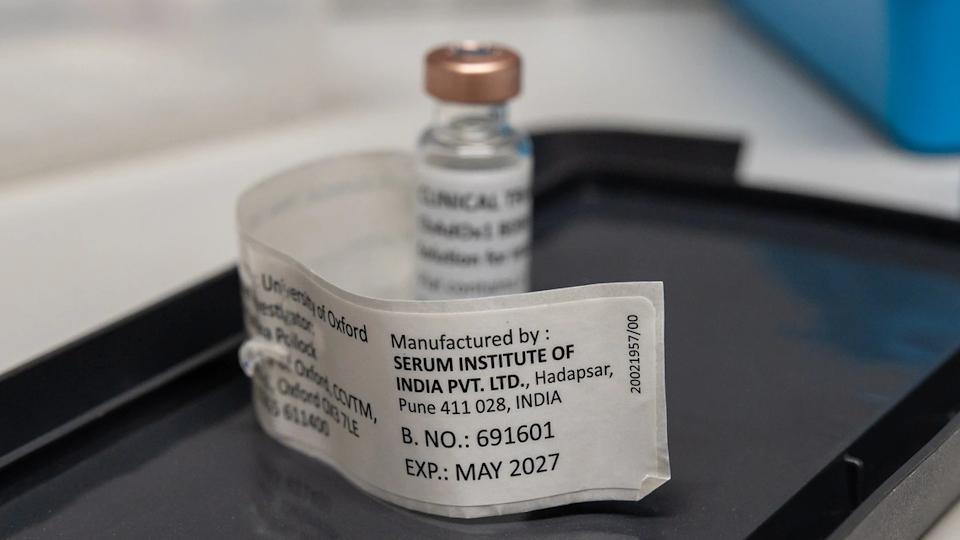
A vial of ChAdOx1 Ebola vaccine, developed by the Oxford Vaccine Group and Pandemic Sciences Institute at the University of Oxford in collaboration with the Serum Institute of India.
Two more Ebola vaccine candidates are set to be added to a clinical trial in the Democratic Republic of the Congo (DRC), which is currently battling an outbreak caused by the Bundibugyo species of the virus.
Moderna's mRNA-1469 and ChAdOx1, developed by the University of Oxford in partnership with the Serum Institute of India, should be included in the already-running phase 2/3 Tumaini study, according to a recommendation from the WHO's independent Technical Advisory Group on Candidate Vaccines Prioritisation.
Tumaini, which means 'hope' in Swahili, is already testing MSD's Ervebo vaccine – already approved to protect against the Zaire species of Ebola – to see if it is also effective against Bundibugyo. Expanding it means that, for the first time, vaccines specifically designed for Bundibugyo virus will be evaluated during an active outbreak of the disease.
The start of testing for mRNA-1469 and ChAdOx1 is still subject to national regulatory approvals, but that is expected to be forthcoming quite quickly as DRC contends with what has become the largest outbreak in its history, with more than 10,500 cases recorded as of 1st November, along with more than 5,100 deaths.
"The fact that these vaccines are ready to enter clinical trials is a testament to the power of science and partnership," said Dr Tedros Adhanom Ghebreyesus, WHO Director-General, who added: "Vaccines alone will not end this outbreak, but they could become a powerful new tool for bringing it under control."
Moderna's shot has been put forward on the back of a phase 1 trial in Canada, carried out in healthy adults aged 18 to 65, which showed it was able to stimulate Bundibugyo-specific binding antibody responses. Similarly, ChAdOx1 has gone through initial testing in adults aged 18 to 55 at sites in the UK and Uganda, and has also stimulated encouraging antibody responses.
Tumaini is designed to test multiple vaccine candidates within a single trial, using a ring-vaccination approach that enrols contacts of people with confirmed Bundibugyo virus disease. Four vaccination rings are already in place – involving contacts of people who became ill or died from Ebola – with several more being prepared, said the WHO.
Another study, called PARTNERS, is testing potential drug therapies for people diagnosed with the virus, alone or in combination, to see if they can improve survival rates. Initial findings from the treatment trial are expected in the coming months, with results from the vaccine trial due in early 2027.