UK experts call for meningitis shots for all 15-year-olds
All 15-year-old children in the UK should be offered the vaccine against meningitis B (MenB) in the wake of fatal outbreaks of the disease, according to the government's expert advisors.
The recommendation from the Joint Committee on Vaccination and Immunisation (JCVI), which was asked to look into the national MenB vaccine strategy after an unprecedented outbreak of MenB disease in Kent earlier this year, as well as unusual clusters of cases in Dorset and Berkshire, which have claimed three lives.
That prompted the UK government to offer a one-off course of GSK's Bexsero MenB jab to young people aged under 25. Now, the JCVI wants a comprehensive campaign for all adolescents at age 15, along with catch-up shots to fill in the gaps for others.
That could involve a booster jab at 15 for those who had a MenB dose as an infant – a programme that started in the UK in 2015 – which will kick in among those reaching that age in 2030. Children who were not vaccinated as babies should get two doses.
Until now, extending immunisation to adolescents has not been deemed cost-effective, in part because it does not stop the infection from being transmitted, although it does reduce the risk of severe symptoms. MenB has a fatality rate of around 10% and can also result in life-changing disabilities such as amputations, hearing loss, and brain damage.
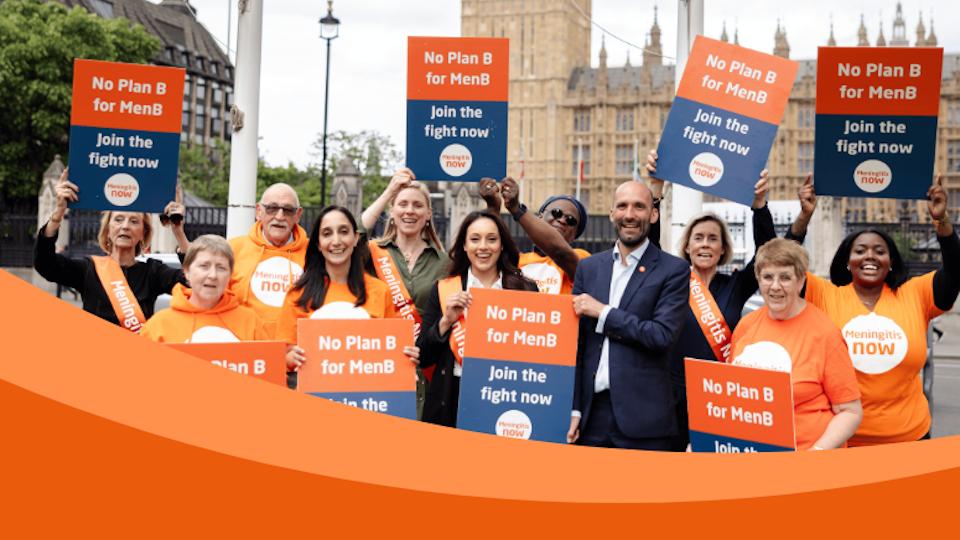
"This is a significant moment in the fight against meningitis, as the government's vaccines experts have recognised the importance of protecting the lives of teenagers and young adults," said Dr Tom Nutt, chief executive of advocacy group Meningitis Now, noting that many people currently aged between 16 and 25 in the UK remain vulnerable to MenB.
"We have consistently called for the vaccination of this age group who remain at increased risk of MenB disease," he added. "Today's recommendation is an important step towards ensuring that far more young people are protected from this devastating disease."
Prof Hannah Christensen, an infectious disease epidemiology expert at the University of Bristol who has carried out modelling work to inform the JCVI deliberations, said recent evidence had changed calculations of the impact of MenB vaccination.
"JCVI has seen evidence from the vaccine manufacturer that one dose of the MenB vaccine in teenagers who received the vaccine as babies could offer a similar level of protection to two doses in people who had not had the vaccine before," added Christensen. "Previous modelling assumed teenagers would need two doses to be protected, because a national infant MenB vaccination programme was not yet in place."
She also pointed out that there is some evidence that MenB vaccination can help to protect against the closely related bacterium that causes gonorrhoea, an infection which is on the rise, with cases involving antimicrobial-resistant strains ringing alarm bells.
"The findings from our revised models, incorporating new evidence, are exciting because they suggest we may now be able to protect teenagers more efficiently," said Christensen.
"A single dose could be enough for many, since they were already primed as infants, and this changes the value-for-money picture substantially. If the vaccine offers cross-protection against gonorrhoea, that improves the situation further."