Safety concerns prompt Ipsen to pull Tazverik from market
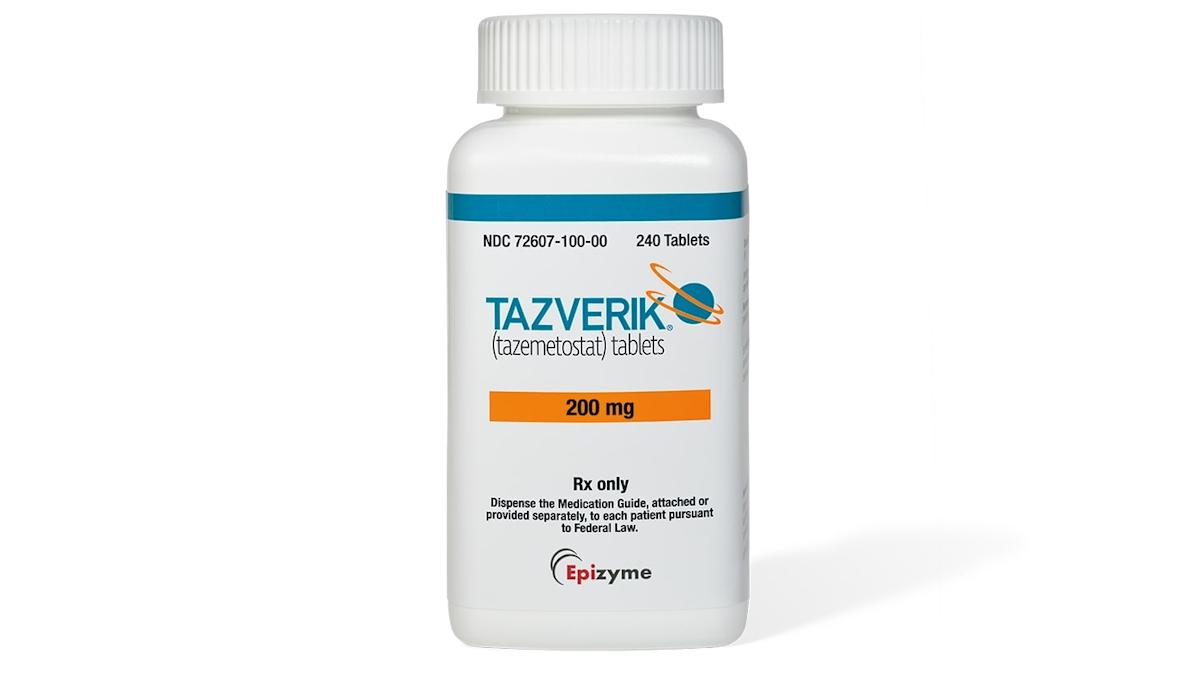
Ipsen is voluntarily withdrawing its EZH2 inhibitor Tazverik from sale after a clinical trial suggested a link with secondary blood cancers.
The decision follows the results of an ongoing phase 1b/3 trial, called SYMPHONY-1, which is looking at the combination of Tazverik (tazemetostat) in combination with lenalidomide plus rituximab in patients with follicular lymphoma.
An interim look at safety data from the study revealed "adverse events of secondary haematologic malignancies" that suggest Tazverik's risks may outweigh its benefits "within this treatment regimen," said Ipsen in a statement.
Ipsen said it will now pull Tazverik from the market in all countries where it has rights to the first-in-class, chemotherapy-free methyltransferase inhibitor. It has also started the process of withdrawing patients in SYMPHONY-1 from Tazverik treatment and is terminating all other trials of the drug.
The French pharma group acquired Tazverik when it took over US biotech Epizyme in 2022 for $247 million. Rights to the drug are held by development partner Eisai in Japan, and by Hutchmed in China, and Hutchmed has just revealed that it too has started the process of withdrawing and recalling the drug in mainland China, Hong Kong, and Macau.
Tazverik was approved in the US in 2020 for the rare soft tissue cancer epithelioid sarcoma, which affects just a few hundred patients a year, and had its label extended a few months later to include relapsed/refractory follicular lymphoma, a relatively common form of non-Hodgkin lymphoma (NHL).
At one point, Ipsen had been forecasting sales of Tazverik could reach €500 million a year, but sales have never really picked up momentum – due to the rarity of epithelioid sarcoma and the crowded market for follicular lymphoma therapies. The company had been counting on SYMPHONY-1 to move the drug earlier in the treatment pathway into second-line treatment and build its sales momentum.
Tazverik's revenues came in at just under €47 million last year, accounting for just 1.4% of its total revenues, and Ipsen said it does not expect the decision to impact its financial guidance.
"While this is an extremely disappointing outcome, the safety of patients remains our priority", said Christelle Huguet, Ipsen's head of R&D.
"Emerging data from this confirmatory study have highlighted a safety profile that is unfavourable compared to that previously observed in clinical evaluation," she added. "We will now work closely with investigators and clinical teams to support patients through the respective next steps and transition plans."