Pharmacy First prescribing expanded to ease GP pressure
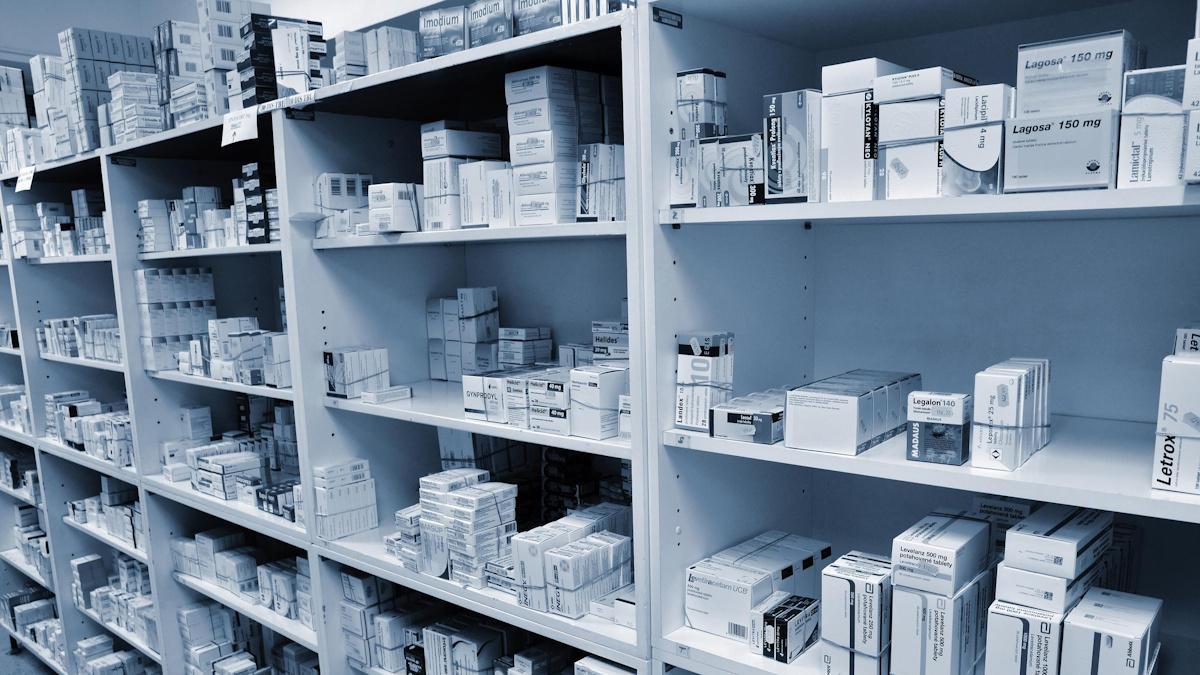
From the autumn, pharmacists in England will be able to prescribe a wider array of medicines under a £340 million programme announced by the UK government.
The initiative is part of the Pharmacy First programme, first introduced in 2024, which allowed pharmacists who hold an independent prescribing qualification to prescribe drugs for sore throat, earache, sinusitis, shingles, impetigo, infected bites, and urinary tract infections.
Five additional, as-yet unidentified categories are being added to that list, part of a scheme to reduce referrals back to GPs for common, minor complaints and also alleviate some of the burden on hospital A&E departments, according to the Department of Health and Social Care.
More than 3.3 million Pharmacy First consultations were delivered between March 2025 and February 2026, an increase of 43% on the previous 12 months, according to the DHSC, with surveys suggesting 86% of users are happy with the experience.
The announcement, part of the pharmacy funding package announced today, has not won over organisations like the National Pharmacy Association (NPA) and Independent Pharmacies Association (IPA), which have said it does not go far enough to address the financial pressure on the sector.
"Whilst the pharmacy contract is a step in the right direction in recognising the skills of community pharmacies in delivering accessible care to patients, there is no sufficient investment to allow this to happen," said Dr Leyla Hannbeck, IPA chief executive.
The funding on offer does not cover the workload that is required to expand Pharmacy First, she told BBC Radio 4's Today programme this morning, "Many community pharmacies will be worried about their future in the coming months."
The NPA, meanwhile, said it is calling for urgent talks with the new Secretary of State for Health, James Murray, saying that the NHS pharmacy contract is "broken beyond repair and not fit for purpose."
"We remain concerned that [this] does very little to close the £2.5 billion funding gap that the NHS itself identified a year ago," said NPA chair Dr Olivier Picard.
"Community pharmacies are ready to play a much bigger clinical role within the NHS, but ambitions for expanded patient services must be matched by sustained funding," he added. "We are also concerned that the current funding levels mean that many pharmacies will struggle to take this development forwards, risking its success."
The government said independent prescriber programmes like Pharmacy First are crucial to the 10 Year Health Plan objective of shifting care out of hospital and into the community, adding that the funding package had been agreed with Community Pharmacy England (CPE), the official representative body for the owners of the country's approximately 10,000 NHS community pharmacies.
"We are making the most of our highly skilled pharmacists, while boosting access to services and giving patients more care right on their doorstep," said Stephen Kinnock, Minister of State for Care. "Independent prescribing will play a major part in delivering this shift – easing pressures on GPs, cutting unnecessary red tape and helping patients get the right care closer to home."