Karyopharm eyes Xpovio filing in myelofibrosis on mixed data
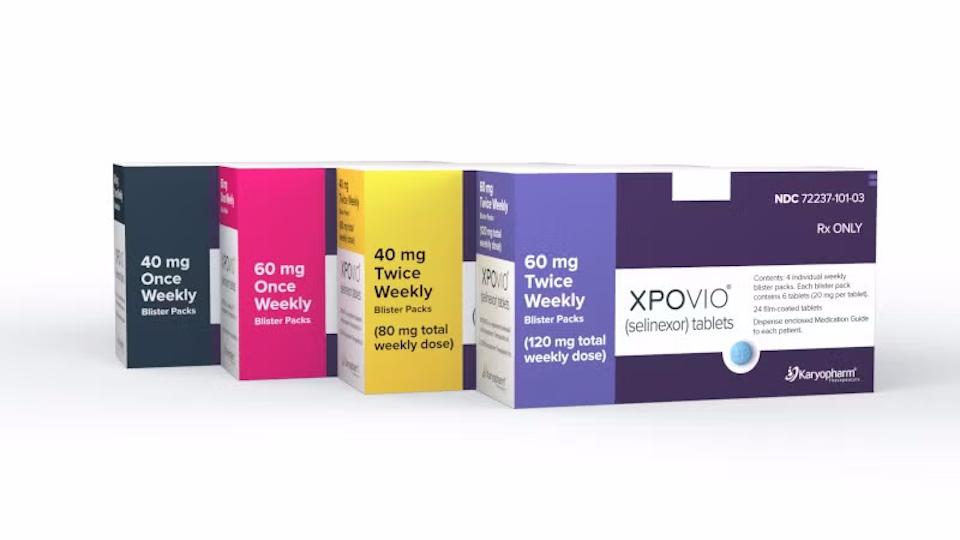
Karyopharm is hoping to broaden the label for its first-in-class blood cancer therapy Xpovio to include myelofibrosis, even though the drug hit only one of two primary endpoints in a pivotal study.
In the SENTRY trial, XPO1 inhibitor Xpovio (selinexor) was able to achieve a significant reduction in spleen volume in patients when used in combination with Incyte's JAK inhibitor Jakafi (ruxolitinib) as a first-line treatment for JAK inhibitor-naïve myelofibrosis patients, but wasn't able to achieve a significant improvement in absolute total symptom score (Abs-TSS) compared to Jakafi plus placebo.
Undeterred, Karyopharm plans to meet with the FDA to discuss a filing for Xpovio for myelofibrosis based on the "totality of the data," which includes a trend towards improved overall survival (OS) with a greater than 50% reduction in the risk of death at week 24.
The drug is already approved as a treatment for multiple myeloma and diffuse large B-cell lymphoma (DLBCL), and accounts for the bulk of Karyopharm's revenues with sales of $115 million last year.
Expansion into myelofibrosis is one of the company's main growth strategies, along with a phase 3 trial seeking to show Xpovio can treat endometrial cancer due to read out later this year, and the mixed SENTRY results had dampened investor sentiment, leading to a 12% decline in its share price at the time of writing.
JAK inhibitors are the only approved therapies for myelofibrosis, and have a limited impact on disease burden, with modest impacts on spleen volumes, and can cause serious side effects such as anaemia. According to Karyopharm, reducing spleen volume is one of the most important treatment goals in myelofibrosis because it is associated with an improvement in OS.
An interim readout of data from SENTRY also suggested the combination could offer lower rates of anaemia than indicated by historical data, although the new update found a similar incidence for Xpovio/Jakafi and Jakafi/placebo, at 57% and 58%, respectively.
"The SENTRY topline results suggest that the combination of selinexor and ruxolitinib delivers superior spleen reduction, which may predict overall survival, while offering similar symptom improvement," said Dr Claire Harrison, a blood cancer specialist at Guy's and St. Thomas' NHS Foundation Trust in the UK.
The combination of the two drugs "may offer an important advance for our patients," she added. That sentiment was echoed by Kapila Viges, chief executive of the myelofibrosis advocacy group MPN Research Foundation, who said the results are "an exciting development" for patients with the disease.
In its fourth-quarter financial update published in February, Karyopharm said that its cash reserves and revenue stream would only fund its current operating plans into the second quarter of this year, but the company also announced a $30 million private placement this morning that would extend that timeline into "late Q3."