Jazz orchestrates a $4bn cancer alliance with AbCellera
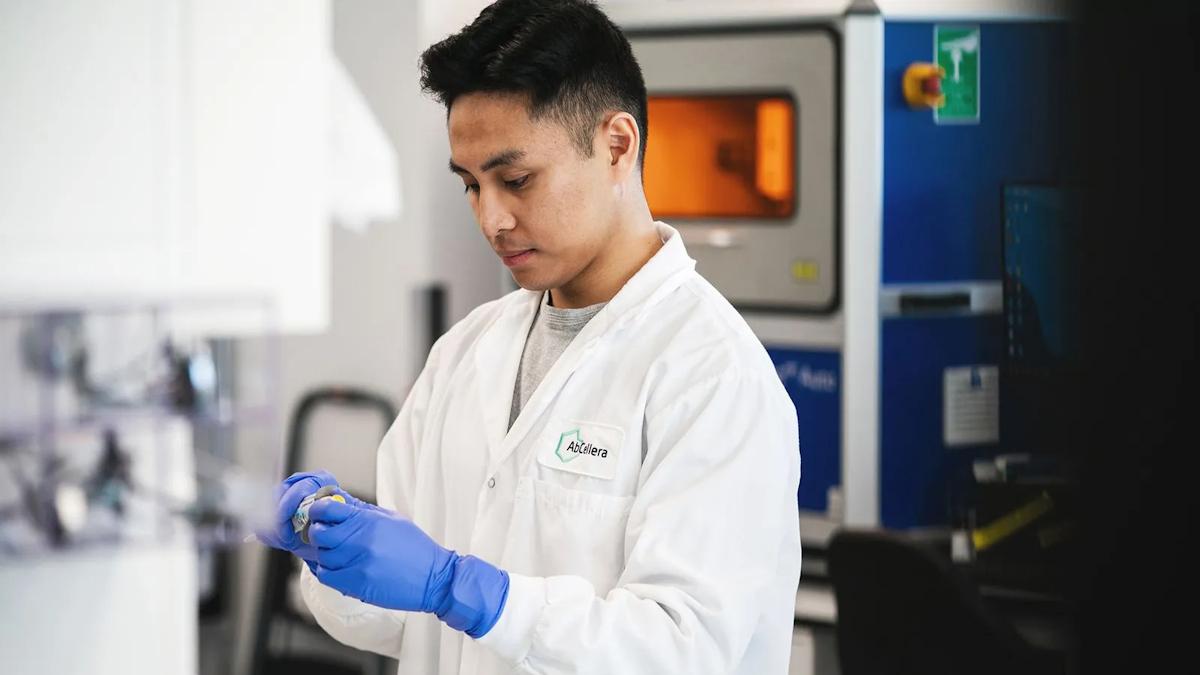
Jazz Pharma has made a big move into T-cell engagers (TCEs) for cancer, via an alliance with AbCellera that spans up to five candidates that could each generate milestones of up to $792 million.
Assuming all five come to fruition – and factoring in a $56 million upfront payment to get the ball rolling – the total value of the deal could rise above $4 billion, making it by far the largest licensing deal ever signed by Jazz.
Jazz's chief scientific officer, Josh Allen, said the focus of the collaboration will be on the discovery and development of multispecific antibody-based TCEs for gastrointestinal cancers, as well as other solid tumours.
Jazz recently entered the GI cancer category with the launch of HER2-directed bispecific antibody Ziihera (zanidatamab) for biliary tract cancer (BTC), and is preparing for an extension of its indications into gastric and oesophageal adenocarcinoma, pending an FDA decision due by 25th August.
Its cancer portfolio also includes small cell lung cancer (SCLC) treatment Zepzelca (lurbinectedin), although, a recent failed confirmatory trial has raised questions about its accelerated approval in one of its two FDA-approved indications.
For AbCellera, the Jazz partnership is the latest in a series involving pharma groups, including Eli Lilly, Novartis, AbbVie, and Pfizer, amongst others, and the largest of all of those where the financial terms have been disclosed.
The Vancouver, Canada-headquartered company is a specialist in applying AI to drug discovery, specifically to sift through immune system data to find multispecific antibodies that can be developed as drugs.
The agreement with Jazz calls for the biotech to carry out discovery and early-stage research activities for two initial programmes, with a commitment to start a third discovery programme within 12 months, which would spark another $28 million fee. The two companies have also agreed that they may add two more programmes to the mix.
AbCellera, meanwhile, will also carry out various activities to prepare candidates for investigational new drug (IND) applications, which precede human testing, and will also manufacture clinical supplies of any that advance into trials.
TCEs have become a major focus of R&D in the biopharma sector because of their proven role as cancer immunotherapies, revving up the immune system to fight tumours, with several drugs based on bispecific antibodies already on the market. The class is also being investigated for their potential in treating autoimmune diseases.