GSK's Nucala follows up Exdensur scores in vasculitis trial
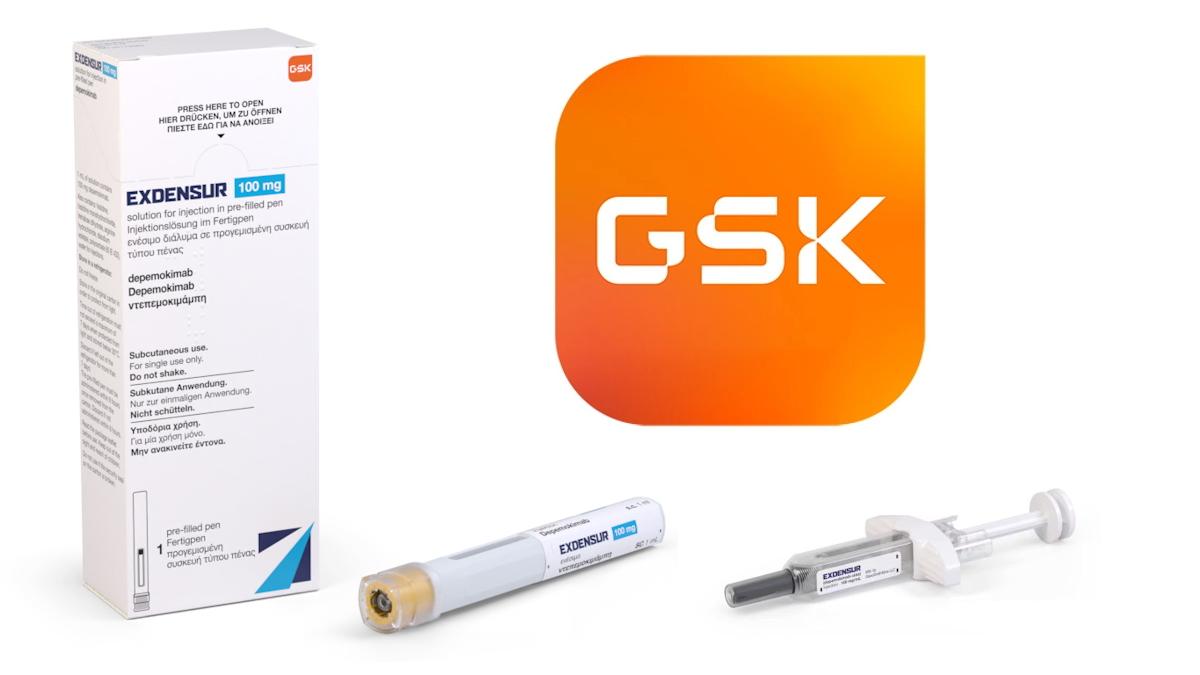
GSK's twice-yearly IL-5 inhibitor Exdensur has shown it is as effective as the group's older drug in the class, once-monthly Nucala, in rare autoimmune disease eosinophilic granulomatosis with polyangiitis (EGPA).
The head-to-head OCEAN study showed that Exdensur (depemokimab) had comparable safety and efficacy to Nucala (mepolizumab) in EGPA, a disorder that causes vasculitis – inflammation in the wall of blood vessels – and is also characterised by asthma and high levels of eosinophils.
First-line treatment is usually with oral corticosteroids, with immunosuppressant drugs in more severe cases. Nucala has been approved for several years for EGPA, which was formerly known as Churg-Strauss syndrome, and was the first targeted drug to be approved for the disorder. Since then, it has been joined in the market by AstraZeneca's IL-5 inhibitor Fasenra (benralizumab), which is also dosed monthly.
Armed with the OCEAN data, GSK is now planning to file for approval of Exdensur for EGPA in the first half of next year, in the hope of bringing a more patient-friendly alternative with less frequent injections to market.
While the full dataset is not yet available, GSK's head of respiratory, immunology, and inflammation R&D, Dr Kaivan Khavandi, said the results "reinforce depemokimab's ultra-long-acting profile, showing that it could help patients achieve disease remission with twice-yearly dosing, reducing the need for corticosteroids and other immunosuppressive therapies."
Exdensur was approved towards the end of last year to treat severe asthma characterised by high eosinophil levels and severe chronic rhinosinusitis with nasal polyps (CRSwNP). It made £56 million ($73 million) in sales in the first nine months of 2026. Around half of that total came in the third quarter, with GSK saying it saw momentum build with "prescribers, patients and access" in a "pivot point" quarter for the new product.
The new product has been tipped as one of GSK's top growth prospects, on the back of a clinical trial programme that, along with asthma, CRSwNP, and EGPA, is also targeting other diseases like hyper-eosinophilic syndrome (HES) and chronic obstructive pulmonary disease (COPD).
It still has a long way to go before it will catch Nucala, which pulled in almost $1.7 billion for GSK in the first nine months of this year, an 18% increase fuelled by a recent approval in COPD.
GSK estimates that Exdensur could reach peak annual sales of £3 billion, making it a key part of the company's strategy to grow annual revenues to more than £40 billion by 2031, from less than £33 billion last year.