FDA hands BeOne, Taiho approvals for blood cancers
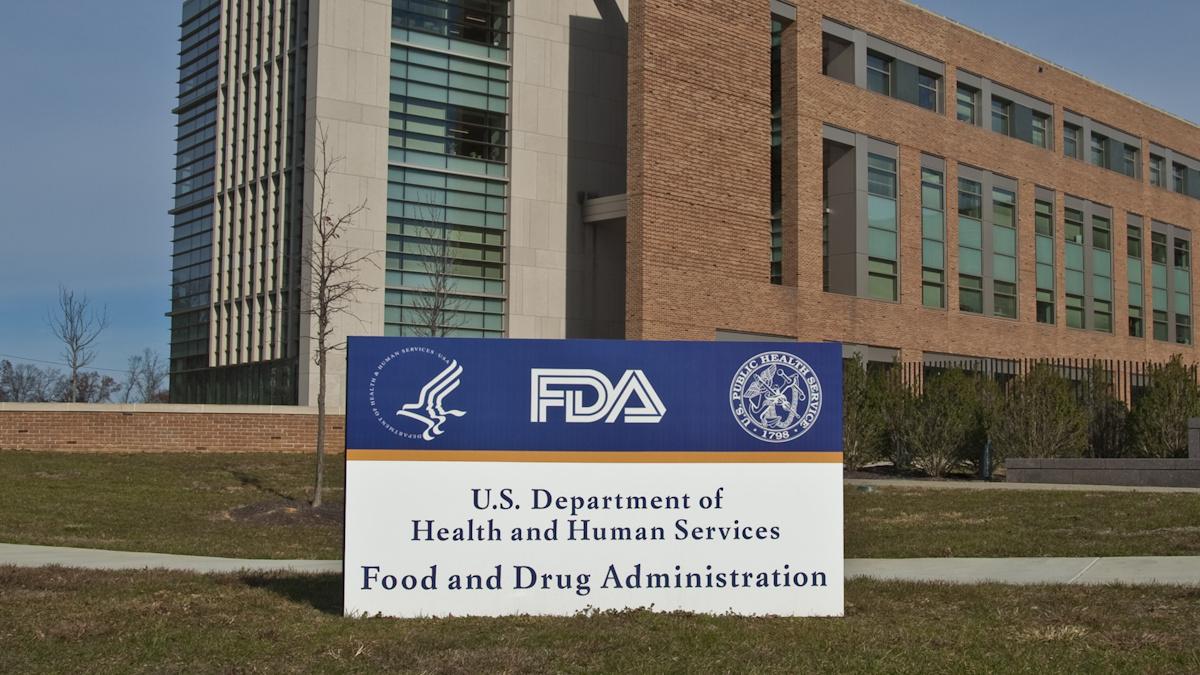
BeOne Medicines' Beqalzi has been cleared for a form of lymphoma by the FDA, and the US regulator has also granted a second approval to Taiho Oncology's Inqovi in leukaemia.
First up, the accelerated approval for Beqalzi (sonrotoclax), which BeOne describes as a "next-generation" BCL2 inhibitor, as a third-line or later therapy for mantle cell lymphoma (MCL), a form of non-Hodgkin lymphoma (NHL).
The FDA is the first regulator after China's NMPA to give a green light for Beqalzi, which is in the same general class as AbbVie and Roche's $2.8 billion blockbuster Venclexta (venetoclax), the only BCL2 inhibitor approved in international markets, as well as Ascentage Pharma's lisaftoclax, which is so far available only in China.
According to BeOne, Beqalzi offers "greater potency and selectivity, with potential to improve efficacy, tolerability, and convenience" compared to other BCL2 inhibitors, and it is also the first drug in the class to be approved by the FDA to treat MCL.
Focusing initially on MCL gives BeOne an opportunity to build a niche for sonrotoclax without direct competition, as it works towards expanding the label for sonrotoclax into new indications, including other forms of NHL, as well as chronic lymphocytic leukaemia (CLL) and acute myeloid leukaemia (AML), where it will compete directly with Venclexta.
The MCL approval is based on the results of the phase 1/2 BGB-11417-201 trial of Beqalzi as a monotherapy for MCL patients previously treated with at least one line of anti-CD20 or BTK inhibitor therapies, which revealed an objective response rate of 52%, including 16% complete responses.
Beqalzi has a higher potency and shorter half-life than Venclexta, which means dosing can be adjusted more quickly and easily and can help avert side effects, according to BeOne.
The next data readout for the drug is expected to be the CELESTIAL-TNCLL trial comparing Beqalzi plus BeOne's BTK inhibitor Brukinsa (zanubrutinib) to Venclexta and Roche's anti-CD20 antibody Gazyva (obinutuzumab) in previously-untreated CLL later this year.
Inqovi as first-line AML therapy
Meanwhile, Otsuka subsidiary Taiho's Inqovi – based on chemotherapy agent decitabine and metabolic inhibitor cedazuridine – has claimed a second FDA approval in combination with Venclexta as an all-oral therapy for newly diagnosed AML in patients aged 75 and over who are unable to tolerate intensive induction chemotherapy.
Taiho said the regimen offers an alternative to parenteral hypomethylating agent–based regimens that require frequent clinic visits in the first-line setting. The approval comes on the back of the phase 2 ASCERTAIN-V study, in which Inqovi/Venclexta achieved a complete remission rate of 41.6%.
Inqovi was first approved in the US in 2020 for myelodysplastic syndromes (MDS), including chronic myelomonocytic leukaemia (CMML).