AbbVie files to move Venclexta combo into the CLL front line
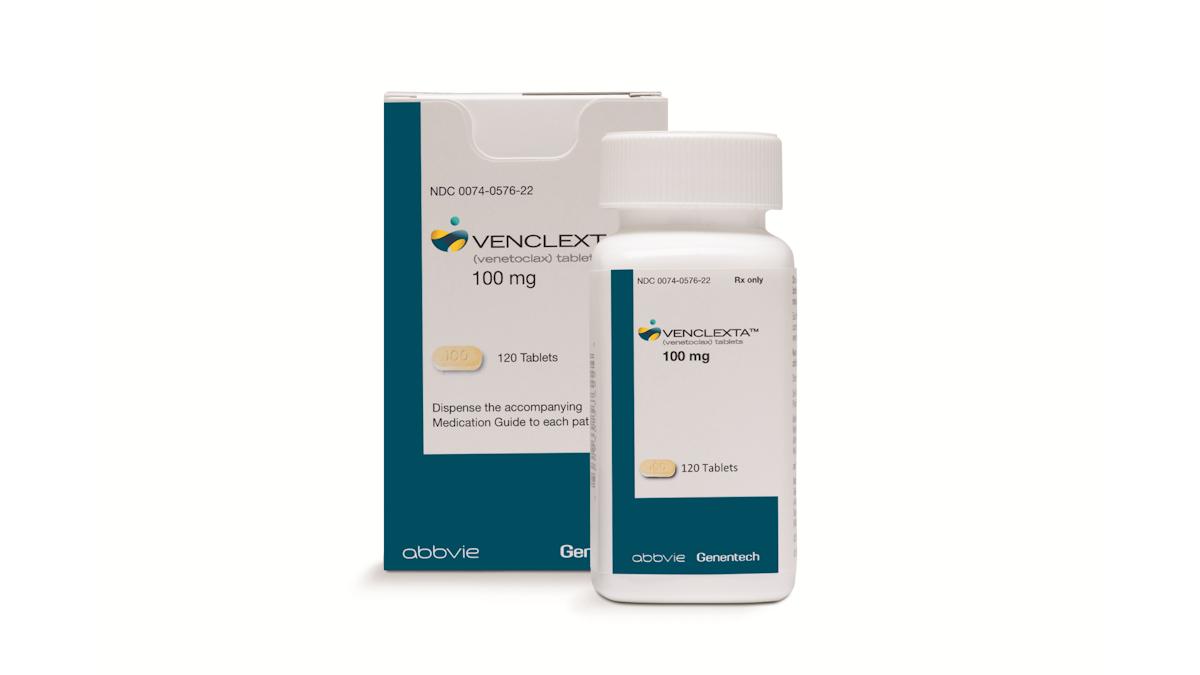
AbbVie has filed for approval of a regimen based on its Venclexta therapy for previously untreated patients with chronic lymphocytic leukaemia (CLL), in combination with an AstraZeneca drug.
The filing is supported by the AMPLIFY trial, which paired Roche-partnered BCL-2 inhibitor Venclexta (venetoclax) with AZ's BTK inhibitor Calquence (acalabrutinib) in CLL patients without del(17p) or TP53 mutations, comparing them to standard chemoimmunotherapy (CIT).
If approved, the dual regimen could become an all-oral, fixed-duration first-line treatment for CLL, and inject further growth into Venclexta, which remains one of AbbVie's top-selling products with turnover of almost $2.6 billion last year.
In AMPLIFY, Venclexta/Calquence reduced the risk of disease progression or death by 35% compared to CIT, with a trend towards improved overall survival (OS) that the two companies hope may mature into a significant improvement.
Venclexta has been on the market since 2016 for CLL, initially for 17p-mutated cases, and since 2019 has been used as a first-line option in combination with Roche's Gazyva (obinutuzumab) as a chemotherapy-free therapy for treatment-naïve patients.
Calquence, meanwhile, is already approved for first-line CLL, but with a label that calls for treatment until disease progression, and approval based on the AMPLIFY data would allow patients to take a holiday from treatment, potentially reducing long-term side effects.
Its main rival in the BTK category is BeOne's Brukinsa (zanubrutinib), which was given the go-ahead for front-line CLL treatment in 2023 based on the SEQUOIA trial results and has been growing quickly to reach $3.8 billion last year, overtaking the $3.1 billion made by AZ's drug.
Brukinsa's growth is tied to data showing it was more effective in CLL than AbbVie's first-generation BTK inhibitor Imbruvica (ibrutinib) – partnered with Johnson & Johnson – while Calquence was only able to show non-inferiority in its head-to-head trial.
For AZ, the hope is that the fixed-duration regimen can allow it to re-establish an edge in the market, as Brukinsa's label also calls for it to be dosed until disease progression.
CLL is the most prevalent type of leukaemia in adults worldwide and, while it is considered incurable, patients often live with the disease for many years and may remain on continuous treatment.
"This FDA submission marks a milestone for CLL treatment with the potential approval for the first oral combination regimen of Venclexta and acalabrutinib for previously untreated patients with chronic blood cancer," said Svetlana Kobina, vice president, global medical affairs for oncology, at AbbVie.
"This new fixed-treatment duration approach could allow patients the opportunity for time off treatment, if approved, and be potentially practice-changing in frontline CLL care."