FDA declines to approve AbbVie's Botox follow-up
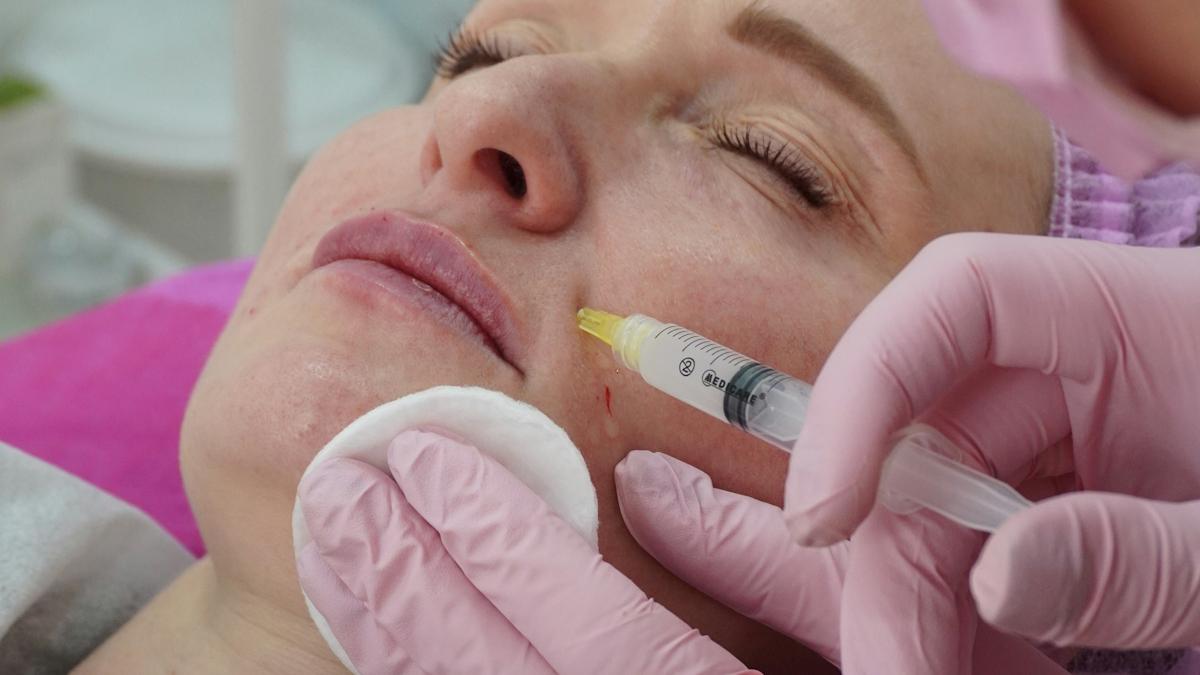
AbbVie's bid to bring a rapid and shorter-acting botulinum toxin product to the US market has been knocked back by the FDA.
The regulator has sent a complete response letter (CRL) to AbbVie for trenibotulinumtoxinE (TrenibotE), a follow-up to its blockbuster Botox (onabotulinumtoxinA) brand, taking issue with the data submitted on manufacturing processes for the new drug.
TrenibotE is designed to offer a fast-acting and shorter duration treatment for moderate to severe glabellar or 'frown' lines than Botox, which AbbVie thinks could be an attractive option for people who are new to this sort of treatment and may be reluctant to get an injection whose effects can extend for several weeks.
The new drug's effects last for two to three weeks, and it can start to work as early as eight hours after administration, versus three to seven days with Botox.
AbbVie stressed that the FDA has not asked for any additional clinical studies of the neurotoxin and does not identify any safety or efficacy issues, and it believes it is "well positioned to address all comments in a timely manner" in "the coming months."
Through its Allergan unit, AbbVie is the dominant player in the market for botulinum toxin products for cosmetic and pharma applications, such as the treatment of migraine, eye problems, muscle spasms, overactive bladder, and spasticity.
Botox has been on the market since the late 1980s, but it still makes massive revenues for the group, with global sales of nearly $3.8 billion for therapeutic applications and $2.6 billion for cosmetic/aesthetic use last year. The US accounts for almost three-quarters of AbbVie's total sales of the product.
The brand is now facing competition from other neurotoxin products, including Ipsen/Galderma's Dysport (abobotulinumtoxinA), Merz Pharma's Xeomin (incobotulinumtoxinA), and Supernus Pharma/Solstice's Myobloc (rimabotulinumtoxinB), but remains the market leader by some distance.
AbbVie sees TrenibotE as a gateway product for cosmetic use, allowing patients the opportunity to experience neurotoxin treatment on a trial basis before getting longer-lasting treatment with Botox.
"We strongly believe trenibotulinumtoxinE is an important innovation in botulinum toxin science, with the potential to expand options for patients interested in facial aesthetics," said Roopal Thakkar, AbbVie's chief scientific officer.
"Though disappointed, we remain confident in the strength and integrity of our application, and we are well-positioned to respond to the agency's feedback promptly to support completion of the review," he added.
Photo by Mariia Belinska on Unsplash