EpiWatch app detects major seizures with few false alarms
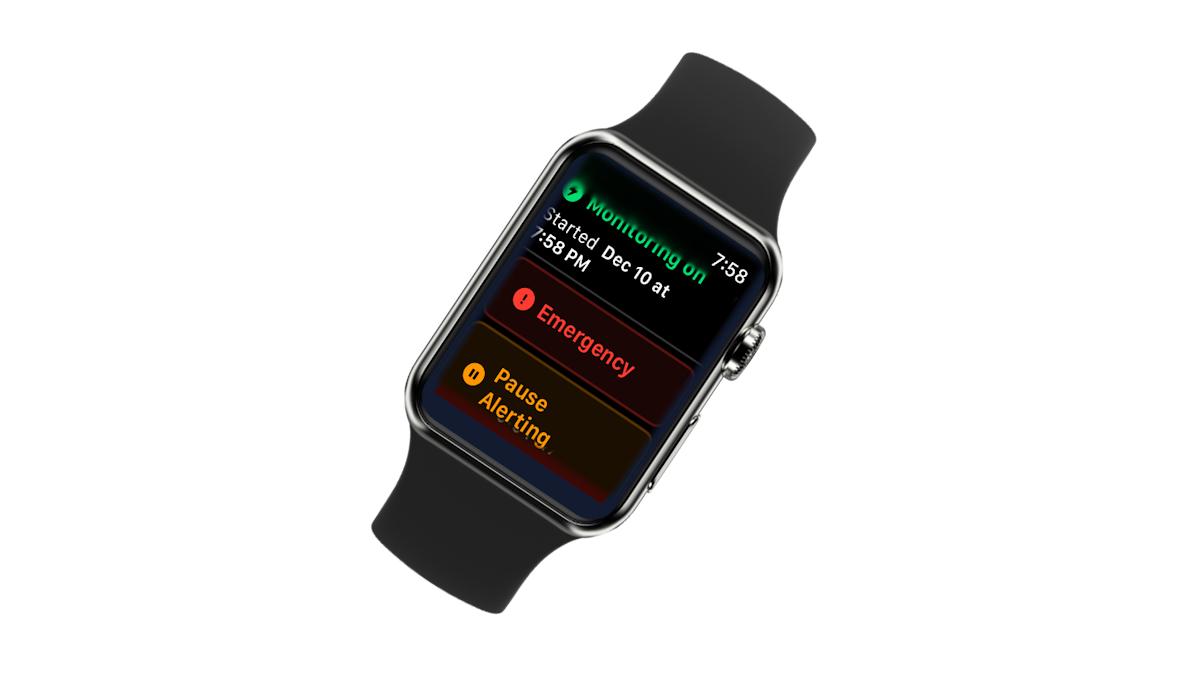
Sudden unexpected death is a terrifying consequence faced by people living with uncontrolled tonic-clonic seizures (TCSs), so a smartwatch app that can reliably spot the attacks and warn caregivers would be a major development for patients.
It now looks like the EpiWatch app, developed by neurologists Nathan Crone and Gregory Krauss of Johns Hopkins University using Apple's ResearchKit platform, could answer that need.
In a phase 3 trial published in the Neurology Open Access journal, EpiWatch on an Apple Watch was put through its paces in 242 children and adults with epilepsy and a history of TCS, a form of convulsion that in rare cases can be prolonged and lead to loss of consciousness and muscle tone and result in airway obstruction that can lead to brain damage and death.
The subjects were monitored for an average of two and a half days in a specialised epilepsy unit equipped with a video surveillance system to track seizures. The group was monitored using the video system as well as the smart watch app, and the results compared.
The result? The app detected 46 of 47 TCS events in the cohort, with a false-alarm rate (FAR) of 0.08 per 24 hours, which the investigators said is 90% lower than the 0.67 to 2.52 daily rate reported for other seizure detection devices, and equivalent to just one FAR every 12.4 days. The only missed seizure was when a caregiver restrained the patient's arm.
The authors note that the findings were obtained in a controlled environment, so real-world performance may differ, but nonetheless suggest that EpiWatch has the potential to make a massive difference to patients, particularly those who live or sleep alone, who are at elevated risk of what is known as sudden unexpected death in epilepsy (SUDEP).
"Wearable seizure detection devices can alert caregivers so they can provide first aid, but some devices have high false alarm rates that can discourage use and timely intervention," said study author James Wheless, of Le Bonheur Children's Hospital in Memphis, Tennessee.
"Wearing some seizure monitoring devices may carry a stigma, but using a common smartwatch with an app does not, which is important for encouraging regular use," added Wheless.
"Being prescribed an app with fewer false alarms can encourage long-term use and provide reliable caregiver alerts to help reduce sudden unexpected deaths and other risks associated with tonic-clonic seizures."
The EpiWatch app is already available for download from the App Store, but users need to obtain a prescription in order to get an activation code. It was cleared under the FDA's 510(k) premarket notification pathway in March 2025.