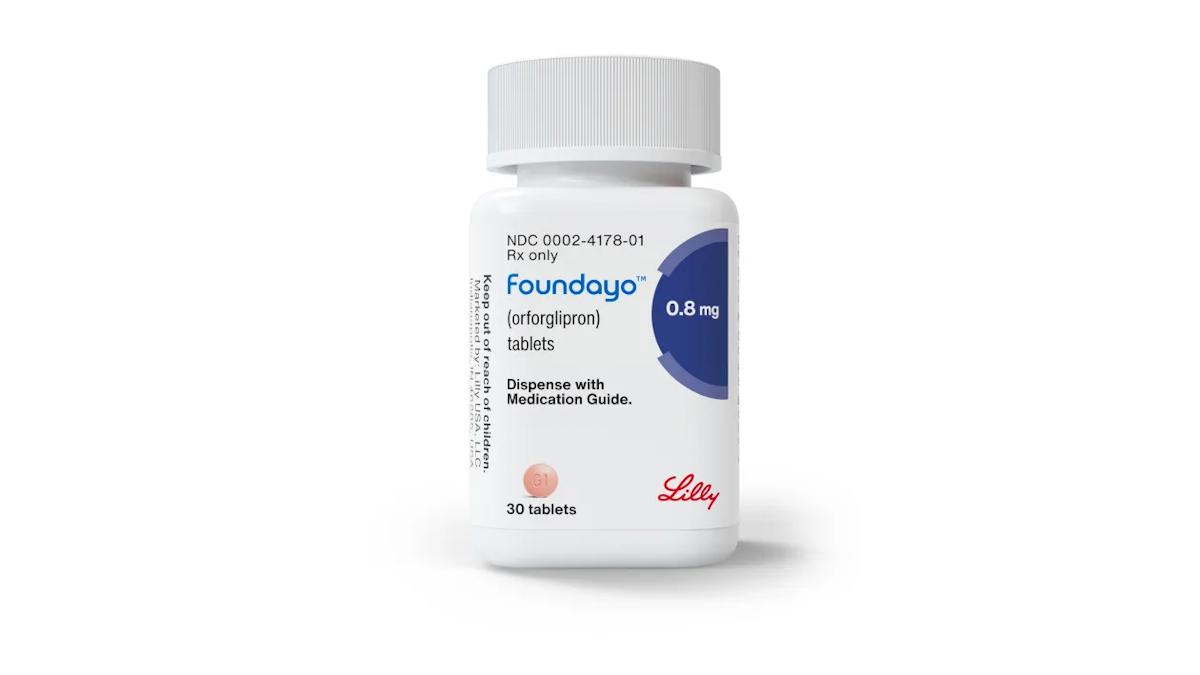
Data could move J&J's Talvey earlier in myeloma therapy
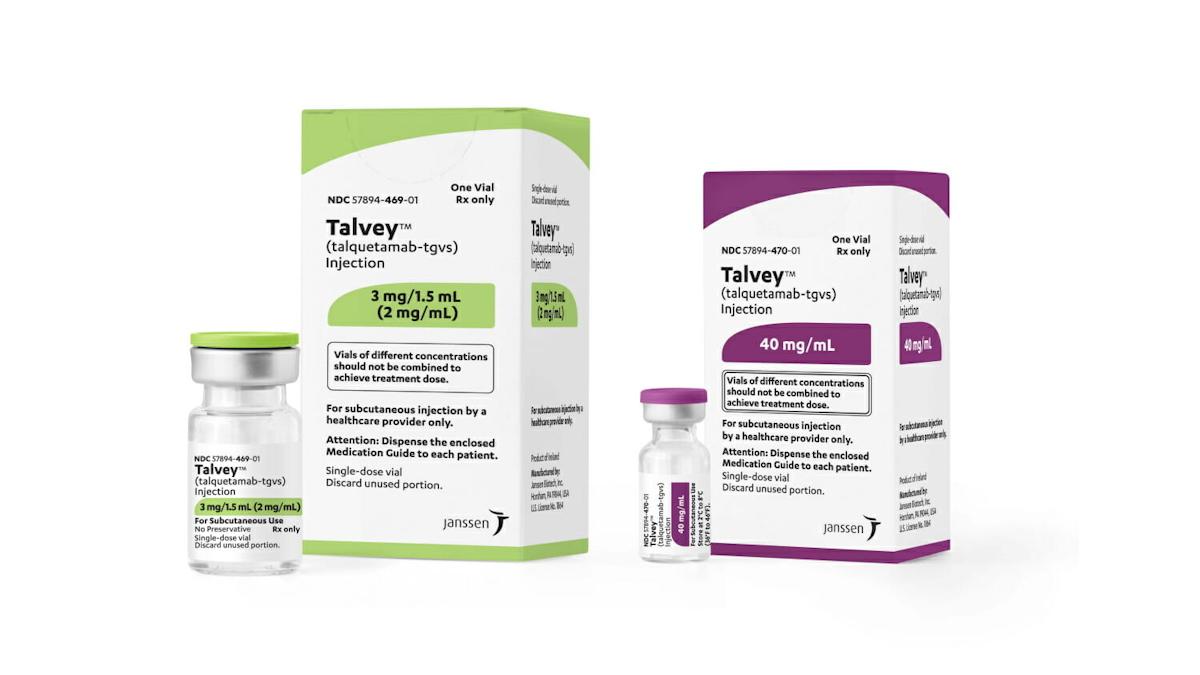
Johnson & Johnson's Talvey looks set for use as second-line therapy in patients with multiple myeloma, as a new study supports approval of a broader label for the GPRC5DxCD3 bispecific antibody.
The late-stage MonumenTAL-3 trial of Talvey (talquetamab), given in combination with J&J and Genmab's anti-CD38 antibody Darzalex Faspro (daratumumab), with or without pomalidomide, showed a reduction in the risk of disease progression or death compared to standard second-line care with Darzalex, pomalidomide, and dexamethasone.
The results – reported at the European Haematology Association (EHA) annual meeting and published in the New England Journal of Medicine – showed progression-free survival of 81.3% at 24 months for the triple therapy, and 77.6% for Talvey/Darzalex Faspro, compared to 51% with the control therapy, with hazard ratios of 0.28 and 0.33, respectively.
Similarly, the Talvey triple had an overall survival rate of 89.2% at two years, compared to 87.9% for the dual therapy and 79.1% with standard care, differences which so far have not achieved statistical significance, according to Wake Forest University School of Medicine's Peter Voorhees, who presented the results at EHA's plenary session.
He said the results suggest the two Talvey/Darzalex Faspro regimens are a potential new bispecific combination for patients with relapsed or refractory multiple myeloma in earlier lines – a critical time for treating patients with the most effective regimens.
There are some things to consider in the results, including the fact that most patients had grade 3 or higher adverse events – although, overall rates were similar between the three arms – and that the study excluded patients with prior exposure to CD38-directed drugs.
Given that daratumumab is approved for first-line use, the latter exclusion makes the interpretation of the results in real-world clinical settings more difficult. Meanwhile, there was little prior exposure to BCMA-targeted drugs, which have transformed the treatment of multiple myeloma in recent years, and there are questions about where GPRC5D and BCMA-directed therapies should be used in treatment.
That said, it's clear Talvey raises the prospect of another targeted treatment that could be an important option for patients whose disease has progressed after BCMA treatment, which is also steadily moving earlier in the multiple myeloma treatment pathway, although, so far no drugs have been cleared for frontline use.
The combination of J&J's BCMA-directed bispecific Tecvayli (teclistamab) with daratumumab recently moved into the second-line setting, after a super-speedy appraisal by the FDA under its national priority review scheme.
J&J has already filed marketing applications with regulators in the US and Europe to extend the use of Talvey into the second-line or later setting, in combination with Darzalex Faspro with or without pomalidomide.
It has been approved since 2023 as an option for multiple myeloma patients who have received at least four prior lines of therapy, bringing in sales of $463 million last year, while Tecvayli contributed $670 million.