Ipsen' Bylvay fluffs its lines in biliary atresia trial
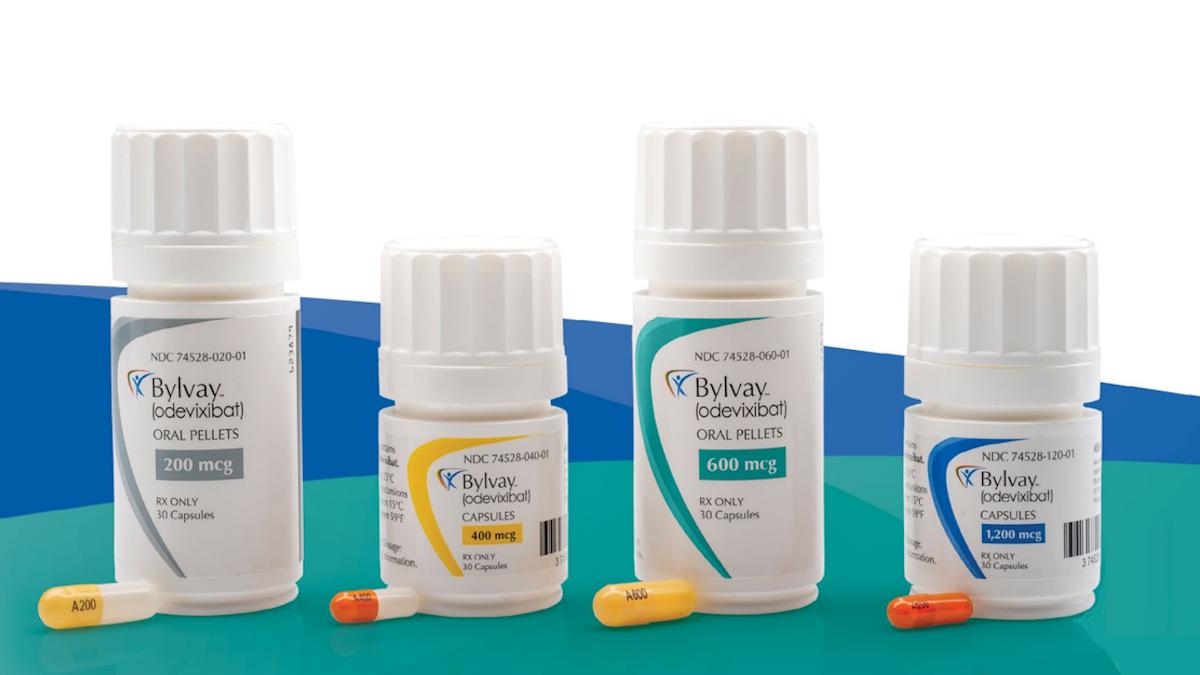
Ipsen's IBAT inhibitor Bylvay has failed a phase 3 trial in biliary atresia (BA), a rare and serious liver disease that affects babies and has limited treatment options.
BA is caused by damaged or absent bile ducts, leading to build-up of bile in the liver and cirrhosis, often leading to declines in liver function that require a transplant, and affects approximately one in every 8,000 to 18,000 births, depending on the population.
At the moment, the go-to treatment is a surgical procedure known as a Kasai hepatoportoenterostomy (HPE), which connects a loop of the small intestine directly to the liver surface to restore bile flow.
Bylvay (odevixibat) – which Ipsen acquired when it took over US biotech Albireo in a $952 million deal in 2023 – was being tested in the BOLD trial to see if it was able to extend survival of the liver in post-HPE patients, but was unable to show a significant improvement over placebo.
"Biliary atresia remains the number one cause of liver transplantation in children, often before the age of 2," said lead BOLD investigator Dr Saul Karpen of the Stravitz-Sanyal Institute for Liver Disease and Metabolic Health at Virginia Commonwealth University in the US.
"Research remains limited, leaving patients, families and clinicians with very few therapeutic options," he added.
"As the first global phase 3 trial in biliary atresia, BOLD has generated the most comprehensive dataset ever assembled in this disease [and while] the study did not meet its primary endpoint, the commitment of participating children and families has produced valuable insights that will deepen our understanding…and provide a crucial basis for future research and patient care."
Bylvay is already approved for two rare liver disorder indications – progressive familial intrahepatic cholestasis (PFIC) and itching associated with Alagille syndrome (ALGS) – and grew by over a third to reach €180 million last year. Ahead of the acquisition, Albireo had predicted that sales of the drug could reach $1 billion a year at peak, assuming it secured approval in BA as a third indication.
There have been other setbacks in Albireo's liver disease pipeline for Ipsen, which shelved ritivixibat, another IBAT inhibitor in development for primary sclerosing cholangitis (PSC), and NTCP inhibitor A2342 earlier this year.
Bylvay's failure in BA will also be a blow to former shareholders in Albireo, which had been due to receive a $10-per-share contingent value right (CVR) if the drug was approved in this setting before the end of 2027.