European launch: Manufacturing as cornerstone for success
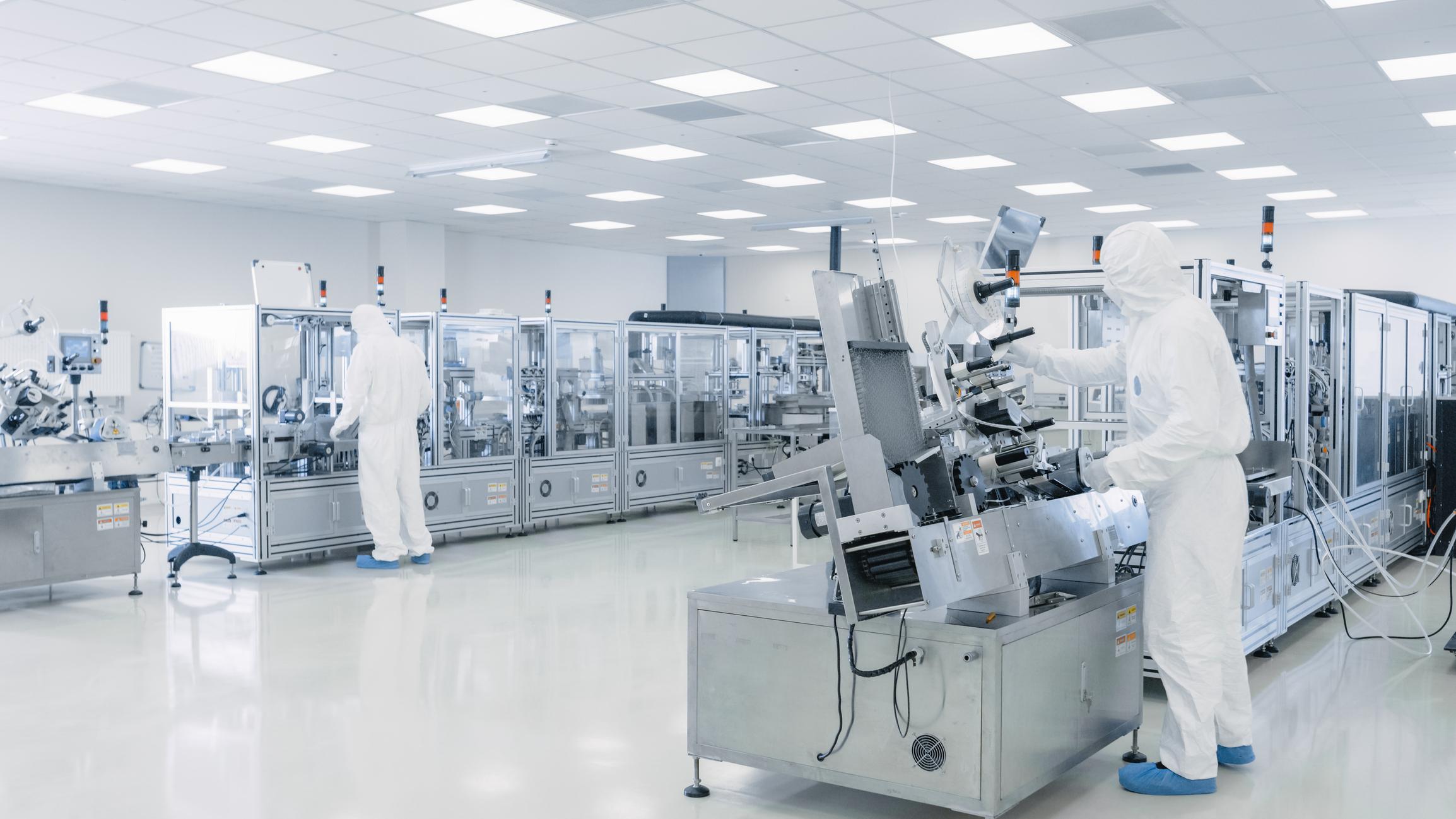
Biotech companies are phenomenal drivers of therapeutic innovation. Their scientific expertise and commitment to raising the bar for efficacy have improved patient outcomes. But medicines must reach patients to make a difference. This takes innovation not just in scientific invention, but in the implementation of every step it takes to get a new medicine to the patients it has been discovered and developed to treat.
Biotech companies looking to commercialise their innovations in Europe must make the business-critical choice of whether to go it alone or to pursue partnerships with an organisation – or organisations – which already have the capabilities to manage the complexities of manufacturing and supply in the region.
For innovation that reaches patients across the continent
Manufacturing may not make headlines in pharma partnering, but – when it comes to Europe – it’s one of the foundations on which strong partnerships must be built. Getting manufacturing and supply right in Europe takes both a firm command of the details that go into every step of manufacturing, quality assurance, and supply, and a deep understanding of the whole supply chain, including what it means nationally and regionally. The right partner has to enable you to do more than get your product to market: they need to be able to ensure it stays there, reliably, compliantly – and at the scale patients need.
I know how important manufacturing and supply is to biotechs when they are looking to commercialise and expand the reach of their medicines in Europe. It’s one of the topics we are probed on most intensely in partnering conversations, and rightly so, because getting innovative medicines from the lab to patients across the continent reliably takes deep experience and expertise.
Below, I look at some of the manufacturing and supply considerations biotechs may need to get to grips with early in their journey towards partnership.
Consideration 1: Manufacturing excellence is central to EMA approval
EMA approval is legally and practically dependent on the submitter’s manufacturing arrangements. The agency doesn’t view manufacturing and supply as ‘operational details’ – but as a core pillar of the benefit-risk assessment. It has stringent requirements for factors such as:
- Good Manufacturing Practice (GMP)
- Qualified Person (QP) oversight
- Authorised manufacturing sites
- Validated supply chain and quality systems
- Environmental Risk Assessment
Knowledge of these requirements, and experience in meeting them in practice, is a must.
Consideration 2: Manufacturing, quality, and supply need to serve you, the innovation and, ultimately, patients
Most biotechs 'inbound' to Europe cannot viably invest the significant sums needed to establish their own manufacturing, quality, and supply capabilities, hence the need for a partner. Here are some questions to consider when you are assessing the right partnership approach for you:
- Security: What partnership model can deliver the best supply security? Evaluate if any potential partner is reliant on a single manufacturing site, or if they have the network of sites and CMO partners, in place to allow for redundancy planning in case of bottlenecks or supply chain disruption.
- Synergy: Are there specific roles each party is best placed to execute? For example, existing infrastructure or relationships may mean one party is best placed to source API or manufacture the medicine, while the other has the facilities and expertise to conduct in-market quality control, packaging, and distribution.
- Seamless execution: Manufacturing, quality, and supply involve multifaceted operational processes, with additional layers of complexity as operations extend across multiple CMOs. Is there an experienced, holistic leadership team in place overseeing the entire process? Are you confident the capabilities and quality transcend to CMO partners to operate as one seamless core team?
Ultimately, the ‘right partner’ should have the right capabilities and right scale to blend end-to-end European in-house expertise, and the ability to ensure the skills and agility they provide transcend the entire manufacturing process and network
Consideration 3: Europe’s system complexity requires depth of understanding spanning the whole supply chain – and the ability to act on it
Demand for medicines continues to grow in Europe and around the world. But so too do the challenges of supplying them to patients: trade uncertainty and geopolitical disruption are putting supply chains under increasing strain.
This puts new emphasis on the need for deep experience built through years of heritage alongside ‘real time’ understanding of a region and changing market dynamics. Here are some things to look for:
- In-country and region expertise: Look for a clear understanding of how to navigate national-level GMP interpretation, inspection practices, and batch release requirements, as well as a lens of global geopolitics and what this specifically means in Europe.
- A strategy for navigating parallel trade dynamics: Parallel trade can distort demand signals and redirect product flows across markets, making it difficult for manufacturers to accurately forecast, allocate stock, and ensure consistent supply. A clear strategy helps companies avoid shortages, regulatory scrutiny, and margin erosion driven by price arbitrage beyond their direct control.
- Demonstrable supply chain resilience and continuity planning: EMA and regulator scrutiny of continuity planning is increasing post COVID and amid drug shortages. Look for partners who can clearly articulate how they get supply right, but also how they respond when it goes wrong.
In my experience, those who are ready to adapt in real time to meet the needs and nuances of Europe’s 30+ national markets with the agility to adapt to changing global dynamics, will outperform those who approach it as a single market.
Consideration 4: Patient access, quality, and supply security come first, but process optimisation to protect margins matters.
As an industry, to be able to keep innovating and delivering new treatment options, we must find ways of delivering innovations in a way that is sustainable for patients and for our businesses – and it’s important not to overlook the part that manufacturing process optimisation can play in this.
Constrained European healthcare budgets, competitive tenders, and index reference pricing can push drug prices down, while manufacturing them has become more expensive – the cost of goods has risen and energy cost volatility continues. This makes focusing on lean manufacturing and yield optimisation, as well as strategies for reducing the cost of goods without compromising quality, more important than ever.
Manufacturing optimisation is a powerful strategic lever for success in Europe
All of these considerations are interconnected: regulatory success is inseparable from robust manufacturing foundations, while the right operational model and partner determine how effectively innovation can be translated into supply. At the same time, deep, end-to-end understanding of Europe’s fragmented landscape underpins resilience, and disciplined, lean operations protect the margins that sustain long-term access.
Together, they point to a clear reality for biotechs entering Europe: manufacturing is a strategic lever that can shape both the pace and durability of commercial success. Those who bear this in mind for choosing a partner with the right blend of deep in-house European specialist experience and operational capabilities, alongside the ability to scale through a broader partner network, will be best positioned to launch in Europe and stay here – reliably delivering their innovations to the patients who need them most.
About the author
 Saulo Martiniano is chief operating officer at Norgine. He 28 years’ expertise within various operations roles across consumer healthcare and FMCG industry. He has lived and worked in Brazil, Mexico, United States, France, and United Kingdom. Prior to joining Norgine in 2023, Martiniano was the senior VP for manufacturing excellence for the L'Oréal group, based in Paris, and prior to this he was the SVP for global manufacturing network at Reckitt Benckiser. Originally trained as a mechanical engineer, Martiniano has also obtained a Master’s degree in Leadership and Strategy at London Business School. He has a passion for operational excellence, lean transformations, and building high performing leadership teams.