BMS eyes another celmod filing in myeloma after phase 3 win
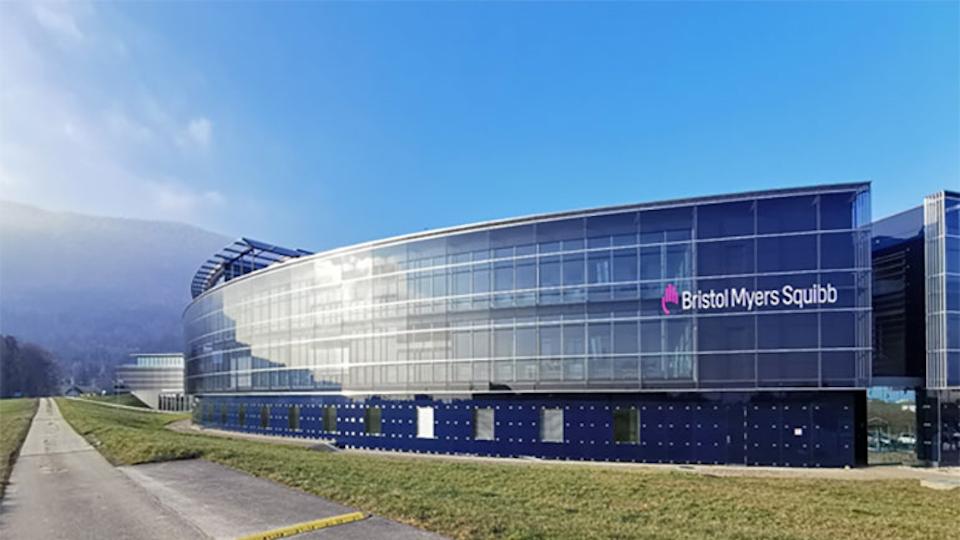
Bristol Myers Squibb has the first positive phase 3 results under its belt for mezigdomide, a second experimental drug in its much-trumpeted celmod development programme for multiple myeloma.
Interim results from the SUCCESSOR-2 study have shown that oral mezigdomide, added to treatment with Amgen's Kyprolis (carfilzomib) and dexamethasone, achieved a statistically significant improvement in progression-free survival (PFS) in patients with relapsed or refractory multiple myeloma (RRMM) compared to Kyprolis and dexamethasone alone.
While the full results aren't available, BMS said the PFS data with the MeziKd regimen were "clinically meaningful" and "strengthen our confidence in bringing forward effective, accessible oral treatment options for patients with difficult-to-treat blood cancers."
Patients in the study had received at least one prior line of anti-myeloma therapy, including J&J/Genmab's anti-CD38 drug Darzalex (daratumumab) and lenalidomide.
BMS – which is looking to its celmods (cereblon E3 ligase modulators) to offset the loss of market exclusivity for current multiple myeloma blockbusters Revlimid (lenalidomide) and Pomalyst (pomalidomide) – said it will now share the findings with health authorities.
Mezigdomide was highlighted in IQVIA's new drugs to watch in 2026 report, which said that, if two phase 3 trials of the drug as a second-line therapy for multiple myeloma (SUCCESSOR-1 and SUCCESSOR-2) are positive, sales could reach almost $1.5 billion in 2031.
SUCCESSOR-1 is comparing mezigdomide, J&J's Velcade (bortezomib) and dexamethasone (MeziVd) to Pomalyst, Velcade, and dexamethasone, and is due to read out in 2027.
The results with the oral celmod come shortly after BMS filed the first drug in the programme – iberdomide – for RRMM as part of a combination regimen with Johnson & Johnson and Genmab's anti-CD38 antibody Darzalex (daratumumab) and dexamethasone. With a decision from the FDA in August, analyst forecasts for iberdomide's peak sales range from a little over $1 billion to $5 billion.
The two drugs could go some way towards alleviating some of the pain BMS is feeling from generic competition to Revlimid and Pomalyst, sales of which were halved last year to $2.35 billion and $2.34 billion, respectively, after earning $13 billion and $3.5 billion at their peak.
"While treatment advances have been meaningful, far too many patients with multiple myeloma still relapse or stop responding, making the need for new options urgent," commented Paul Richardson, a specialist in the disease at Dana-Farber Cancer Institute and Harvard Medical School in the US.
"[This] data underscore[s] the potential of MeziKd as an oral regimen that could address a key unmet need for patients previously exposed to anti-CD38 and lenalidomide," he added.
The final clinical-stage asset in BMS's celmod pipeline is golcadomide, in the late-stage GOLSEEK-1 and GOLSEEK-4 trials in non-Hodgkin lymphoma, which are due to generate results in 2028.