ASCO26: Symptom-tracking app helps advanced cancer patients
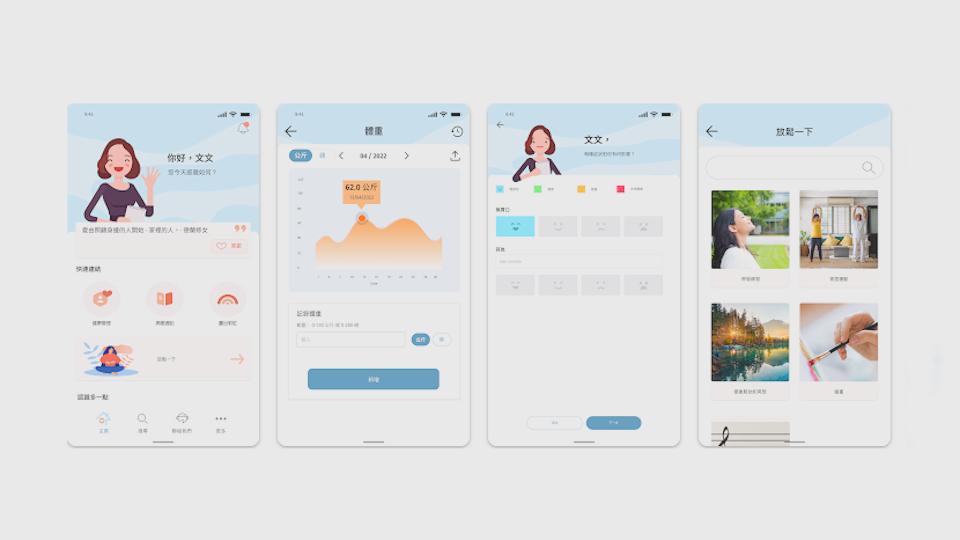
An app used by people living with advanced cancer to record their physical and emotional symptoms and receive advice has not only helped them maintain their quality of life – it also kept them out of hospital.
The SUPPORT+ mobile app, developed by researchers led by Dr Wing-Lok Chan at Hong Kong University, delivers weekly reminders to complete a short questionnaire about symptoms and automated, self-management advice on how to manage mild or moderate symptoms, and nurse follow-up for those that are more serious.
It was tested over 18 weeks in more than 1,200 patients recruited from six palliative care clinics in Hong Kong who were no longer receiving active treatment for their cancer. Typically, these patients can have problems with pain, fatigue, and sleep disturbances, as well as anxiety and depression.
Some drop in quality-of-life would be expected over 18 weeks of follow-up, and patient-recorded outcome (PRO) data showed that was indeed the case in a cohort that did not use the app. Among SUPPORT+ users, however, quality of life was maintained and in some cases increased.
Overall, users reported a nominal increase on the EQ 5D 5L utility index measure from a baseline level of 0.49 to 0.52, while non-users saw a decline from 0.50 to 0.38. That pattern was also seen with the EQ 5D Visual Analogue Scale (VAS), with scores rising from 63.2 to 65.7 with the app and falling from 63.9 to 59.7 in the control group.
Moreover, while the number of emergency department visits was similar between the two groups, there were significant reductions in overall hospitalisations, as well as hospital stay durations, according to Chan.
"Patients with advanced cancer experience a heavy and fluctuating symptom burden while living primarily in the community. Care is still largely reactive, relying on patients or caregivers to seek help when symptoms worsen," she said.
"This randomised clinical trial demonstrates that proactively monitoring symptoms using a digital platform, combined with timely nurse follow-up, can help maintain quality of life and reduce unplanned hospitalisations."
Chan and colleagues intend to refine the SUPPORT+ by adding in AI-supported tools to provide more timely, around-the-clock guidance for patients and caregivers, rather than relying on the weekly prompts, and are planning feasibility studies of that approach. They also intend to analyse the potential impact of this type of support in the palliative care setting on healthcare costs.
Commenting on the results, Toby Christopher Campbell, a palliative care specialist at the University of Wisconsin, said the approach requires patients to be tech-savvy enough to interact with the app and implement the advice.
That aside, the trial "adds to the evidence base that patients, with high-quality reporting and interventions, can improve their symptoms and their quality of life," he added. "When patients are able to report symptoms and receive help, they feel better, and that can lead to better outcomes."