Arcus strikes out with pancreatic cancer drug trial

Arcus Biosciences has halted a late-stage trial of its pancreatic cancer candidate, CD73 inhibitor quemliclustat, after the drug was unable to show a survival benefit over placebo.
The Hayward, California-based company said the phase 3 PRISM-1 study has been discontinued after an interim look at the results by its independent data monitoring committee. The decision puts the future of the programme in doubt, as this was the only trial of the drug being run by Arcus.
Shares in Arcus dipped after the news was announced, but rebounded fairly quickly, likely reflecting that much of the enthusiasm for Arcus is directed at its small-molecule HIF-2alpha inhibitor casdatifan, in multiple phase 3 trials for renal cell carcinoma (RCC).
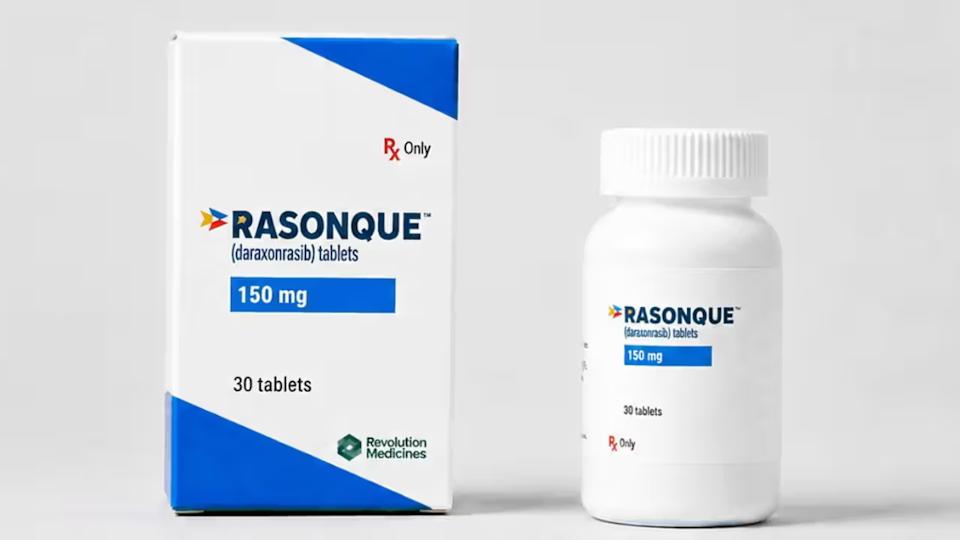
It will be a major disappointment for pancreatic cancer patients, their loved ones, and the clinicians who care for them, however, as treatment options for this aggressive type of cancer remain limited – despite important new approvals like Revolution Medicines' pan-RAS(on) inhibitor Rasonque (daraxonrasib), already approved as a second-line treatment with positive results in hand as a frontline therapy.
PRISM-1 tested quemliclustat in combination with standard chemotherapy (gemcitabine and nab-paclitaxel, or GNP) versus placebo plus GNP as a first-line treatment for patients with metastatic pancreatic ductal adenocarcinoma (PDAC), the most common form of pancreatic cancer.
At the interim analysis, quemliclustat plus GNP showed similar efficacy for the primary and secondary endpoints, which included overall survival (OS), progression-free survival (PFS), and objective response rate (ORR).
"We are deeply disappointed with the results, even though participants in both arms of the study reached the longest overall survival observed to date in a global, first-line metastatic pancreatic cancer study," said Richard Markus, Arcus' chief medical officer.
"We believe the data from PRISM-1 will add to the scientific understanding of this disease, and we are committed to sharing what we learn," he added. "We are grateful to the patients, families and investigators who took part in this study and made this research possible."
The quemliclustat result continues a run of mid- to late-stage cancer programme failures for Arcus, coming after it abandoned development of two Gilead Sciences-partnered projects, namely anti-TIGIT antibody domvanalimab in 2025 and A2 receptor antagonist etrumadenant in 2023.
Photo by Steve A Johnson on Unsplash