Patients Are Asking AI First. Advocacy Groups Can Help Shape the Answers.
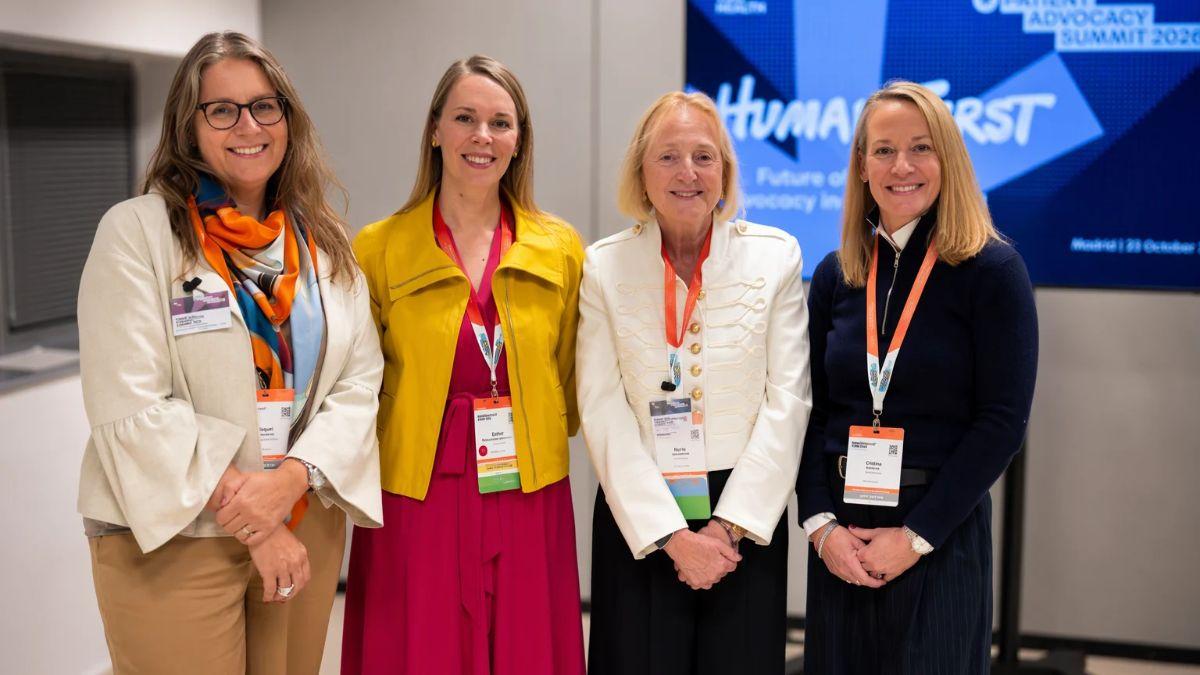
Kristine Sørensen, Global Health Literacy Academy; Corrine Ellsworth-Beaumont, Know Your Lemons Foundation; Debra Montague, Lung Cancer Europe; Nichole Davies, VML Health
Human First: The Future of Patient Advocacy in the Age of AI, a report drawn from VML Health’s 2026 Patient Advocacy Summit, explores how advocacy groups can help patients make sense of AI-generated health information – and what that means for pharma.
23 November 2026: AI has reshaped the pathways through which patients discover and engage with health information. Human connection, lived experience and empathy remain critical differentiators in an AI-enabled healthcare ecosystem. And greater collaboration between industry and patient advocacy organizations will be essential to ensure that AI-enabled experiences genuinely reflect patient needs.
Those are among the essential takeaways from a new VML Health report, Human First: The Future of Patient Advocacy in the Age of AI. The report examines the ways AI has transformed the patient information journey, assessing what it means for pharma brand teams, patient advocacy groups and healthcare communicators.
Drawing on insights from VML Health's second Patient Advocacy Summit, which took place last month in Madrid, the report examines changes in how patients access information as well as the groups and individuals influencing how that information is interpreted and trusted. Speakers at the Summit included leaders from Lung Cancer Europe, Global Health Literacy Academy, Know Your Lemons Foundation& and VML Health.
OpenAI recently reported that more than 300 million people ask health-related questions through ChatGPT every week. As patients turn to conversational AI to understand symptoms, treatments, and diagnoses, healthcare organizations face a new challenge: Ensuring that trusted information remains visible, accessible, and relevant. Even when trusted sources inform AI’s answers, patients may never see them.
“Patients don't experience healthcare through websites or search rankings. They experience it one question at a time,” said Nichole Davies, Global Chief Strategy Officer, VML Health. “As AI becomes increasingly involved in answering those questions, patient advocacy organizations have an opportunity to evolve beyond providing information and towards helping people interpret, validate and act on it. We shouldn't just be optimizing patient advocacy for AI; we have to help optimize AI for patients."
The report advises pharma marketing and commercial teams to:
- Assume patients ask AI first
- Make sure AI draws on accurate, trusted content
- Partner with patient advocacy groups, which patients turn to when deciding what to trust
- Build messages around patients’ needs rather than brand goals – and test them with real patients
Human First: The Future of Patient Advocacy in the Age of AI also highlights the growing importance of transparency, governance and human oversight as AI becomes more deeply integrated into healthcare communications and patient engagement.
“Greater access to information only matters if patients can understand it, trust it and act on it,” said Claire Gillis, CEO, VML Health. “As AI becomes part of the patient journey, patient advocacy organizations bring something technology cannot: credibility, empathy and lived experience. Their voices must help shape the next generation of healthcare experiences if we want innovation to deliver meaningful value for patients.”
The report concludes that the role of patient advocacy is likely to grow in the years ahead. The organizations best positioned to build trust will be the ones that combine technological innovation with the empathy and insight that patients value most highly.
Human First: The Future of Patient Advocacy in the Age of AI is available here.