AI, genomics expert leaves Pathos AI, will advise Pfizer
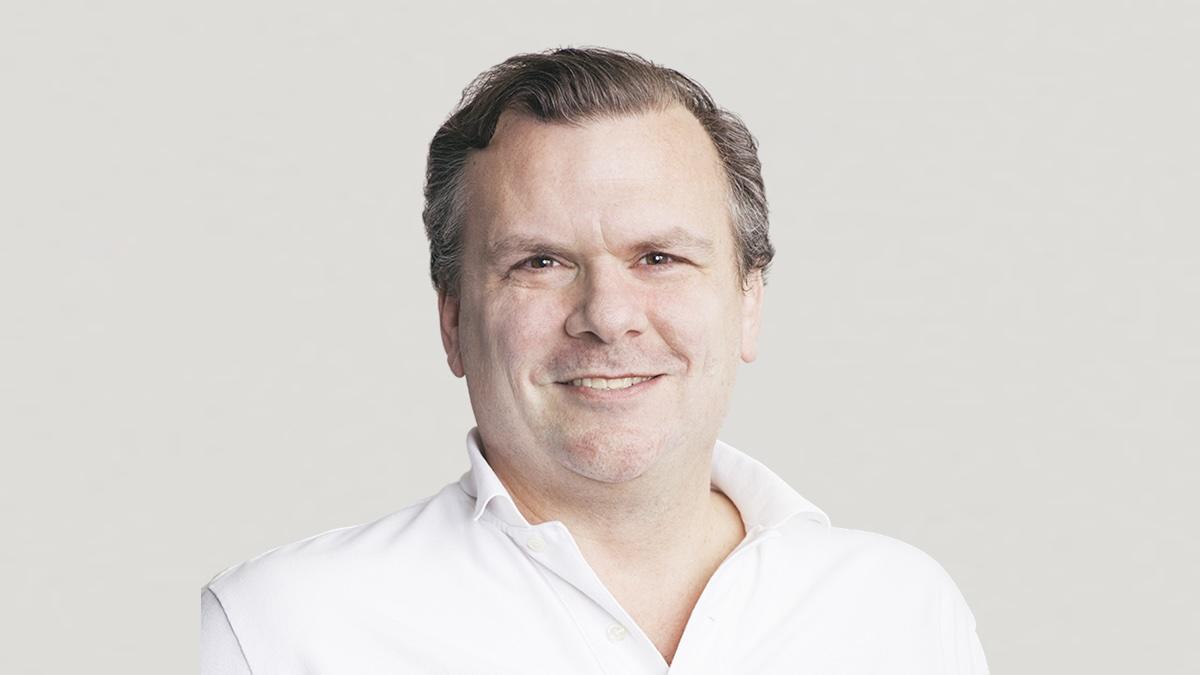
Eric Schadt, a serial entrepreneur and expert in computational biology, is leaving his post as chief scientist at Pathos AI to start a new, stealthy venture - and signing on as Pfizer's first AI Scholar in the process.
"I’m excited to help Pfizer think ambitiously about what an AI-native R&D organisation can become, and particularly about how advanced AI models can deepen our understanding of disease and improve how we discover and develop medicines and vaccines," Schadt wrote in a post on LinkedIn.
Schadt will also continue to serve as Dean for Precision Medicine and Professor of Genetics and Genomic Sciences at the Icahn School of Medicine at Mount Sinai.
According to Pfizer's chief scientific officer, Dr Chris Boshoff, Schadt's role at Pfizer will be advisory. He will "work closely with our teams to help shape our AI strategy and build proprietary models," Boshoff wrote on LinkedIn.
Schadt, who holds a PhD in Biomathematics from UCLA, began his career as a research scientist at Roche and then Merck. He moved into the biotech world with a role at Pacific Biosciences, then founded Sema4, an AI-driven health intelligence company. That led to his work at Pathos AI, a tech company that partnered with Tempus and AstraZeneca to build a multimodal foundation model to help researchers look for biological and clinical patterns in cancer, find new drug targets, and develop new treatments.
"Eric is one of the most respected voices in computational biology and AI, as it applies to biomedicine," Boshoff wrote. "He built his career combining supercomputing, pure mathematics, and advanced computational modelling with diverse biological data to understand the relationship between genes, gene products, and other molecular features, and how they impact complex human traits and disease. He has published over 500 scientific papers (H-Index of 165) and has repeatedly appeared on lists of the world's most influential scientists."
As for Schadt's new start-up, he outlined the broad strokes in his LinkedIn post.
"I am also going back to something that has motivated much of my career: figuring out how we can use increasingly powerful computational and AI technologies to bring precision medicine even more directly to patients," he wrote. "This new effort is still in stealth mode, so I won’t say much more yet, other than that we are building around a simple idea: start with the patient, understand their individual state as deeply as possible, and use AI to help determine what should happen next to improve their health."