Register Now for AAPS PharmSci 360!
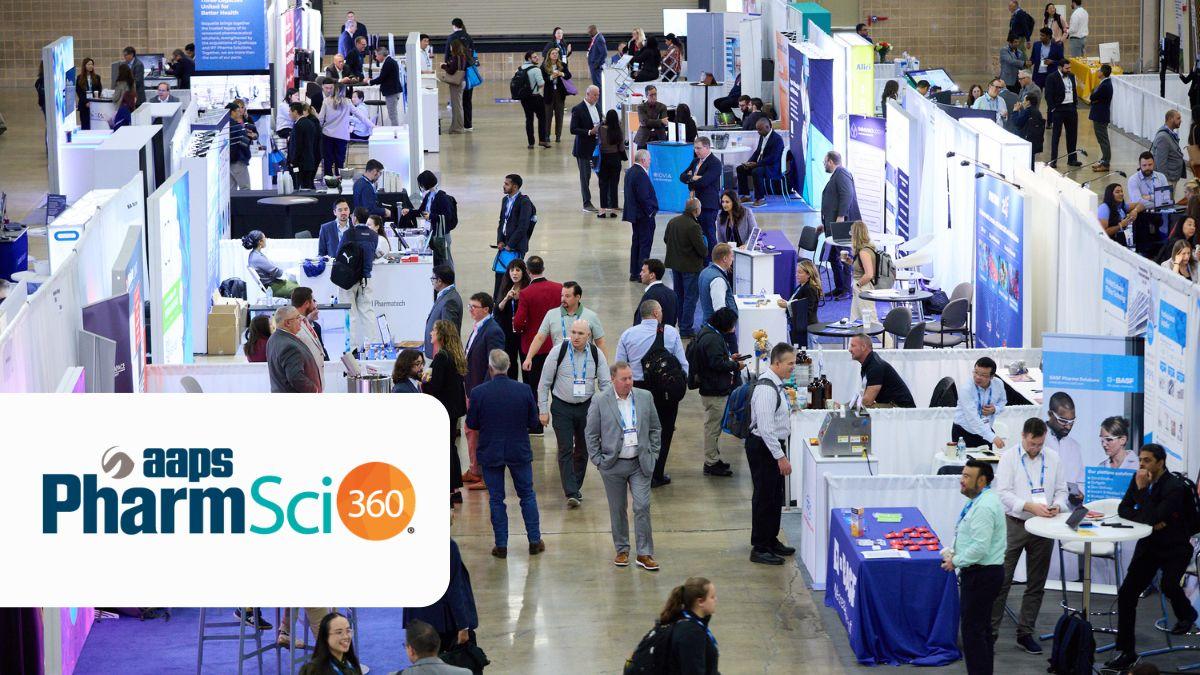
AAPS PharmSci 360 delivers research spanning the pharmaceutical pipeline, from development to GMP. Thousands of scientists and decision-makers from across the globe converge to discuss cutting-edge breakthroughs, technologies, and techniques at this science-first event.
Join your colleagues for the latest in pharmaceutical science in New Orleans, Louisiana, October 25-28, 2026.
Information about the topics covered within PharmSci 360 tracks is below.
Preclinical and Translational Sciences
Sessions falling under this track examine the integration of in vitro data, in silico modeling, and quantitative pharmacology approaches, including IVIVE for DDI assessment, PBPK, QSP, mechanistic modeling, and emerging AI/ML methods to support drug discovery, preclinical development, and translational decision-making. Together, these approaches inform compound selection, enhance prediction of DDI risk, optimize exposure-response relationships, and guide translation from preclinical to human.
Bioanalytics
As bioanalytical science expands into areas where established guidance is limited, evolving, or absent, the ability to build trust by demonstrating comparability and regulatory readiness becomes a critical discipline. These sessions focus on assay development, qualification, and validation under uncertainty, including emerging methodologies, scientific community-driven standards, and cross-validation frameworks designed to support regulatory-facing decisions.
Manufacturing and Analytical Characterization
These sessions showcase cutting‑edge approaches that enable faster, cleaner, and more reliable pharmaceutical and biopharmaceutical manufacturing that spans traditional and novel modalities.
Formulation and Delivery
In these sessions, examine the application of AI/machine learning approaches and other digital innovations in key areas of drug development and see key technologies and materials that drive innovation in formulation science.
Professional Advancement Track
Today’s pharmaceutical scientists must manage their own professional development and advancement in an increasingly complex and dynamic environment. This includes proactively determining the right skills to develop, which scientific areas to pursue, and what strategies to employ as they navigate the job market.
The Professional Advancement Track will present a dozen sessions that help scientists at all career stages determine where they want to take their careers next and develop the skills and strategies necessary to achieve their goals.