ESC26: Isomab safety evidence on blood vessel growth for CAD
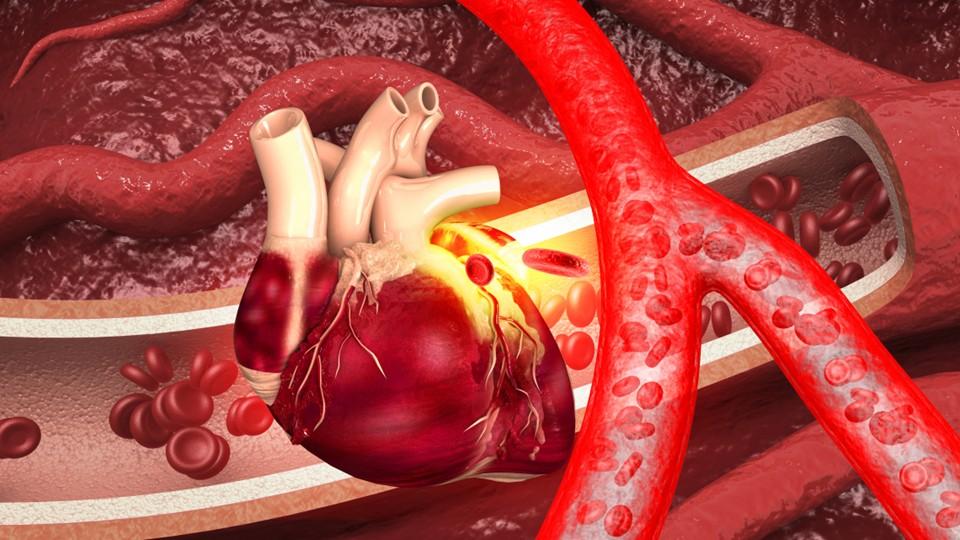
As the European Society of Cardiology Congress 2026 kicks off today, UK biopharma company Isomab has presented landmark safety data, clearing the path for next-generation therapies to promote blood vessel growth as a disease-modifying approach in coronary artery disease (CAD).
Insights from a systematic review of clinical trial data evaluating growth factor approaches, spanning more than two decades, found no evidence of hypothesised safety concerns associated with directly stimulating blood vessel growth – removing a major barrier that has constrained the field.
2022-founded Isomab is a spin-out from the University of Nottingham in the UK. The company is set to advance its lead candidate ISM-001 towards first-in-human trials in patients with chronic angina who are refractory to treatment, a severe and common manifestation of CAD.
Unlike growth factor approaches that directly stimulate blood vessel growth, ISM-001 takes a fundamentally different, first-in-class approach: a novel antibody therapeutic designed to selectively target VEGF-A165b, an inhibitor on angiogenesis – the process by which new blood vessels form from pre-existing vessels.
The scientific foundation of Isomab’s approach is based on the discovery of VEGF-A165b by Professor David Bates in 2001 and subsequent validation through more than 100 publications from independent laboratories worldwide.
Isomab’s systematic review analysed 11 clinical studies evaluating growth factor approaches between 2002 and 2024 across 636 patients with angina or peripheral artery disease (n=441 proangiogenic therapy, n=195 placebo), with follow up periods ranging from two to 12 years. The analysis found no evidence of additional long-term safety risks for proangiogenic interventions, including VEGF‑A isoforms, compared with placebo or age-matched populations.
Professor David Bates, Isomab’s chief scientific officer and study author, commented: “These findings represent an important step forward for the field of therapeutic angiogenesis. They resolve safety questions that have clouded the perception of an entire class of treatments and give us a strong foundation as we advance ISM-001 towards first-in-human studies.”
Ischaemic heart disease is the leading cause of premature death globally, accounting for approximately 13% of deaths worldwide. Despite advances in treatment, there remains significant need for disease-modifying approaches that restore blood flow to oxygen-deprived heart muscle.
Dr Philip Brainin, Isomab’s CEO, added: “Given the scale and continuing burden of coronary artery disease, the opportunity to change the course of the disease is enormous. With ISM-001, we are looking to introduce a new treatment paradigm – rebalancing VEGF-A signalling to unlock the heart’s own capacity to heal itself.”