Disruptive healthtech, personalisation & investment appetite

Healthtech innovation is moving at extraordinary speed, with AI, genomics, and personalised medicine continuing to attract significant investor and industry attention. Yet, while excitement around disruptive technologies remains high, bringing genuinely transformative healthcare innovations from concept to commercial reality is becoming increasingly complex.
From proving real-world value and securing investment to navigating regulation and forming the right strategic partnerships, healthtech companies face growing pressure to demonstrate substance over hype.
In this interview, Nat Hutley, co-founder and CEO of Koodos, discusses what investors are really looking for in healthtech businesses, why collaboration between pharma, biotech, and technology firms is becoming more important, and where he believes the most exciting opportunities for innovation and investment will emerge over the coming years.
Q. What makes a healthtech company attractive to pharma buyers or partners?
Nat Hutley: Disruptive technologies are coming to the fore and data-driven insights seem to be playing an ever-greater role in how we analyse and interpret information. So it’s only natural that healthtech companies making use of these insights are attractive to pharma buyers and partners.
Adding to this, in our area of expertise, genomics, immuno-oncologies, and AI all seem to be attracting a lot of interest, so these are key areas to focus on. It’s difficult to predict how investment will change over the next few years, but it’s clear there is growing appetite to bring revolutionary technologies to market that have the potential to transform healthcare and positively impact lives in both the UK and worldwide,
Q. How do investors tell the difference between genuine innovation and overhyped ideas?
Herd mentality dominates in a lot of industries and hype can gather momentum quickly, so it’s important for investors to carefully consider the details.
Some of the simplest investments may lack the novelty of being exciting, shiny, and new, but they’re often genuine innovations. The hype and novelty can be distracting, so going back to basics is important.
It’s also worth noting that COVID and the rise of conspiracy theories have undoubtedly changed the industry from a public opinion perspective – people are far more sceptical than they used to be. Investors shouldn’t get distracted by this, as public opinion isn’t always right.
Q. Clinical evidence from trials can take years to build. What do investors need to see before partnering with healthtech companies that are still early in that journey?
Ambition and innovation need to be there from the start. It goes without saying that it takes time to build results, but from the very beginning there must be a clear and ambitious vision.
Innovators should take advantage of their scientific communities and lean into their knowledge and experience, too. We have a huge amount of innovation in the healthtech space in this country, and we of course have the NHS, as well. Ambition in the health space is nothing new, but it’s essential for building results.
It’s also worth bearing in mind that the clinical trial you want to do and the clinical trial you need to do are two very different things. Healthtech companies that know the difference will set themselves apart from the competition and attract the investors they need.
Q. As healthcare systems come under increasing financial pressure, how important is it for healthtech companies to prove not just clinical impact, but also cost savings or efficiency?
The long-term financial impact is undeniably important. It can be a bit of a buzzkill when weighing it up against innovation and clinical impact, but finances can’t be ignored.
Cost savings, efficiency, and other financial benefits are what make a venture worthwhile for investors, particularly in today’s economic climate.
Traditionally, it’s been cheaper for large corporations to buy in innovation, rather than try to foster it. That now seems to be changing and, as a result, only good businesses are being bought, making favourable returns less likely.
Q. There's a lot more collaboration between biotech, pharma, and technology companies. How important are these partnerships when it comes to reducing risk and helping new ideas reach the market?
Collaboration is a sensible idea when it comes to reducing risk and developing new ideas. Sharing thoughts, ideas, methodologies, and best practice between biotech, pharma, and technology companies means there is less chance of repeating mistakes that may have been made previously in another field.
Knowledge-sharing, partnerships, and collaboration are great ways to generate new ideas and creative, innovative approaches. Each field has valuable knowledge and experience to bring to the table, and making use of these is a no-brainer.
Q. What are the biggest barriers to getting new healthtech innovations from development into real-world use?
Regulation is one factor. There are many different regulatory frameworks to consider for any given healthcare innovation, and this takes time.
Money is another barrier in some cases. Without the appropriate amount of funding, even the best ideas won’t come to fruition. Equally, sometimes it can be down to a lack of risk appetite. Taking a risk is vital, and being risk-averse can stall the process.
Q. Where do you see the most exciting investment opportunities in pharma and healthtech over the five years/decade?
AI is something that every industry is considering the benefits of, and it will be interesting to see how it evolves over the next decade. It’s marketed as something that can do everything more quickly and more efficiently than people, but who knows if it will still be around in ten years.
Personalisation is another exciting development in pharma and healthtech, and over the next few years it’s likely that this will continue to evolve and present opportunities for investment.
It’s difficult to predict exactly where investment will be focused over the next decade. The tech sector evolves so quickly that it’s likely there will be completely new innovations in the space. Disruptive technologies are going to continue to make waves, and with this comes exciting opportunities for investment.
About the interviewee
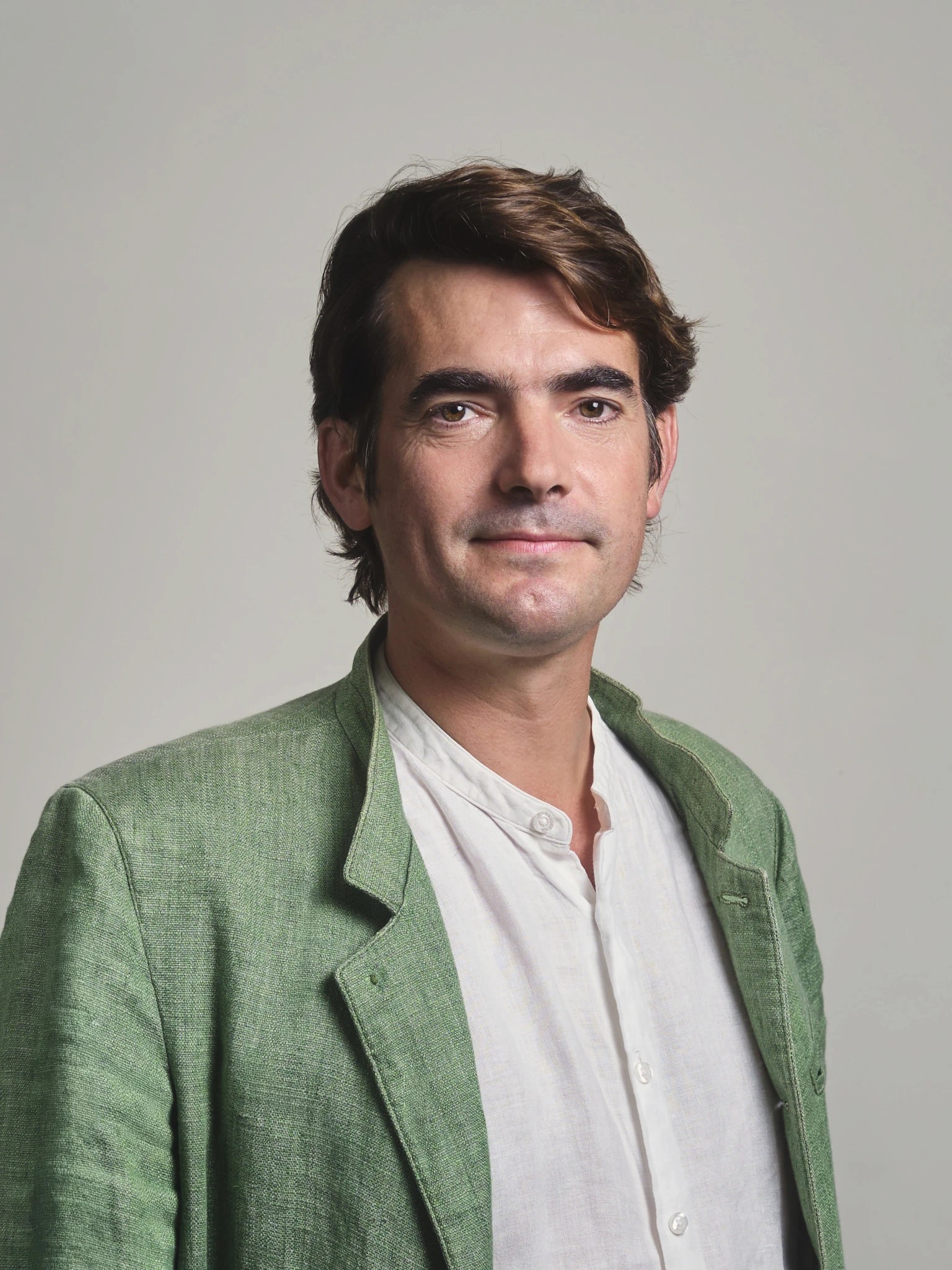
Nat Hutley is the CEO and founder of Koodos, a UK-based strategic advisory and venture capital firm supporting science- and impact-driven businesses. His experience spans multiple sectors and international markets, and he has built a reputation for strong commercial, entrepreneurial, and investment expertise.