Callyope's AI-powered solution for mental health practitioner support

The state of the public’s mental health in the UK and Europe is a serious unmet need. As reported in The Lancet in October 2025, approximately 17% of individuals (circa 140 million people) in the WHO European Region have a mental disorder, yet, one in three do not receive the treatment they need. Current, ongoing geopolitical turmoil does not help, nor the economic or climate crises.
As the World Health Organization reported in January 2026, those mental disorders range from mild to severe in terms of their impact on everyday life. Indeed, over 120,000 people die by suicide annually. And one in 4 people with psychosis receive no formal treatment or care at all. While there have been national attempts to address the issue, it is clear that much yet remains to be done.
Within this space, French start-up Callyope, part of AWS’ 2026 Pioneers cohort, specialises in mental health care by developing AI-powered solutions that analyse speech-based acoustic and linguistic patterns to enable continuous symptom monitoring, using AWS’ cloud infrastructure to scale its AI training workloads and run experiments on cloud infrastructure.
To find out more, pharmaphorum spoke with Martin Denais, CEO and co-founder at Callyope.
Q. Europe is spending nearly €600 billion on mental health, yet, outcomes remain poor. What do you see as the root cause of this gap between spending and results?
Martin Denais: Europe’s mental health system is unevenly funded and poorly structured for early intervention. The €600 billion reflects the scale of the challenge, but much of that spend is being concentrated downstream in hospitalisation, crisis response, and long-term disability.
The core issue is that care remains reactive. Intervention typically happens at the point of crisis, rather than at the earliest signs of deterioration, when outcomes are far more easily managed. The truth is, mental health conditions evolve continuously, yet, the system still relies on episodic and subjective assessments.
At the same time, clinicians are massively constrained by time and capacity. They lack the tools to monitor patients consistently between consultations. The result is a system that absorbs cost managing relapse, rather than preventing it. This is a gap that requires a shift from episodic to continuous care, and from reactive intervention to early detection supported by objective data.
Q. Rehospitalisation rates are extremely high, up to 90% over a lifetime. How can AI meaningfully help professionals change that trajectory?
Rehospitalisation is often driven by missed early warning signals. Subtle cognitive and behavioural changes can appear weeks or months before relapse, but they are difficult to identify consistently in traditional care models.
AI introduces a fundamentally different approach. By analysing patient signals continuously, including speech, it can detect patterns associated with deterioration earlier than would otherwise be possible.
By providing clinicians with more frequent and objective clinical assessments, AI can allow clinicians to act before a crisis emerges. This shifts the process from intervention at crisis point to early mitigation. Even small improvements in timing can have a great impact on reducing relapse, stabilising patients, and ultimately lowering rehospitalisation rates.
Q. What are the biggest barriers to adoption of AI in mental health practice today?
First is trust. Mental health care depends on sensitive, deeply personal data, and clinicians need strong clinical validation before integrating AI into decision making. At the same time, European healthcare is ahead of most sectors in governance, with 36% of organisations having a formal AI strategy and significantly higher adoption of data and responsible AI frameworks than the cross-industry average. This reflects a sector that is approaching AI seriously, not experimentally.
Second is integration. Clinicians are already under pressure, so, any new system must fit seamlessly into existing practice without adding complexity.
Then, there is fragmentation. Mental health systems across Europe are highly varied, with different regulatory and data frameworks that slow adoption at scale. These are ecosystem challenges, rather than technological ones, and it’s important to remember they can be addressed through evidence, thoughtful design, and collaboration. At the core, it is important to recognise that AI is not intended to replace clinicians, but to add to their capabilities, reducing blind spots, and enabling more timely, informed decisions.
Q. Callyope’s AI analyses just 30 seconds of speech. What exactly can that reveal about conditions like schizophrenia, bipolar disorder, or depression?
Speech is one of the most information-rich and accessible indicators of mental health. Callyope has demonstrated that approximately 30 seconds of speech can be sufficient to assess symptoms linked to psychosis, anxiety, depression, and cognitive decline.
The system evaluates how something is said in addition to what is said. It looks at coherence, structure, speech rate, and rhythm, all of which change in distinct ways depending on the condition. In schizophrenia, discourse may become disorganised and harder to follow. In bipolar disorder, speech patterns can shift dramatically, with faster, more pressured speech during manic phases and slower patterns during depressive episodes. In depression, speech often becomes slower, flatter, and less variable.
These signals provide clinicians with quantifiable insights that complement traditional assessments, helping to track changes more objectively over time.
Q. You talk about detecting “discourse disorganisation” and changes in speech patterns, how reliable are these markers clinically?
Discourse disorganisation is already recognised as a core clinical symptom, particularly in schizophrenia. Traditionally, it has been assessed subjectively through clinical interviews.
Callyope’s approach transforms this into a measurable signal by analysing speech patterns using AI. Reliability is achieved by combining multiple speech features, rather than relying on any single marker. These models are then trained on clinical datasets and validated across patient populations, strengthening their consistency and relevance.
The purpose is not to replace clinician judgement, but to enhance it by providing objective, repeatable measurements that support more informed decisions.
Q. How does the voice journal and remote monitoring experience actually work for patients day to day and how do you ensure they stay engaged?
The experience is designed to be simple and low burden. Patients use a smartphone application to record short voice entries, respond to prompts, or allow passive speech analysis during interactions with caregivers. These inputs are analysed to generate continuous symptom tracking, allowing clinicians to monitor progression between appointments, rather than relying solely on periodic check-ins. The flexibility of the system allows monitoring frequency and questionnaires to be tailored to each patient, supporting a more personalised experience.
Engagement is driven by ease of use and clear value. Interactions are brief and intuitive, and when patients see that their input contributes directly to their care and clinician decisions, adherence improves significantly.
Q. CNS drug development has been held back for years by the subjectivity and variability of clinical endpoints. Could speech-based AI like Callyope's play a role in addressing that, and what does it mean for pharma?
Drug development in CNS has long been constrained by the limitations of traditional endpoints. Scales such as HAM-D, MADRS, or PANSS rely on infrequent, in-clinic assessments that are subject to rater variability and recall bias. This contributes to high placebo response rates, noisy efficacy signals, and a track record of failed trials that does not always reflect the true effect of the molecule being studied.
Speech offers something fundamentally different. It is objective, can be captured frequently and remotely, and is sensitive to the same dimensions clinicians are already trying to measure, including disorganisation, affect, psychomotor slowing, and cognitive change.
For pharmaceutical R&D, this opens several concrete applications: digital endpoints that complement traditional scales, more granular tracking of treatment response between visits, better patient stratification at enrolment, and earlier detection of both efficacy signals and adverse cognitive effects. The implication is more sensitive trials, potentially smaller cohorts, and faster decisions on whether a molecule works.
Q. You’ve described a vision of becoming a “super-assistant” for clinicians. What does that look like in everyday psychiatric care in the next few years?
In practice, a super-assistant represents a shift from episodic care to continuous support. Psychiatric treatment today is largely built around infrequent consultations, often spaced weeks apart, where clinicians have to reconstruct a patient’s condition based on memory, self-reporting, and limited observation. This creates inevitable blind spots, particularly in conditions where symptoms fluctuate rapidly.
A super-assistant changes that dynamic by introducing a continuous layer of insight between appointments. For patients, this creates a more responsive and personalised experience. Their day-to-day condition becomes visible and meaningful in shaping care decisions, which can improve engagement and outcomes.
Ultimately, it is vital to remember, though, that the super-assistant does not replace clinicians. It is a tool that can enhance their ability to deliver timely, data-informed care at scale. The result is a system that is more proactive, more precise, and better equipped to prevent relapse, rather than respond to it.
About the interviewee
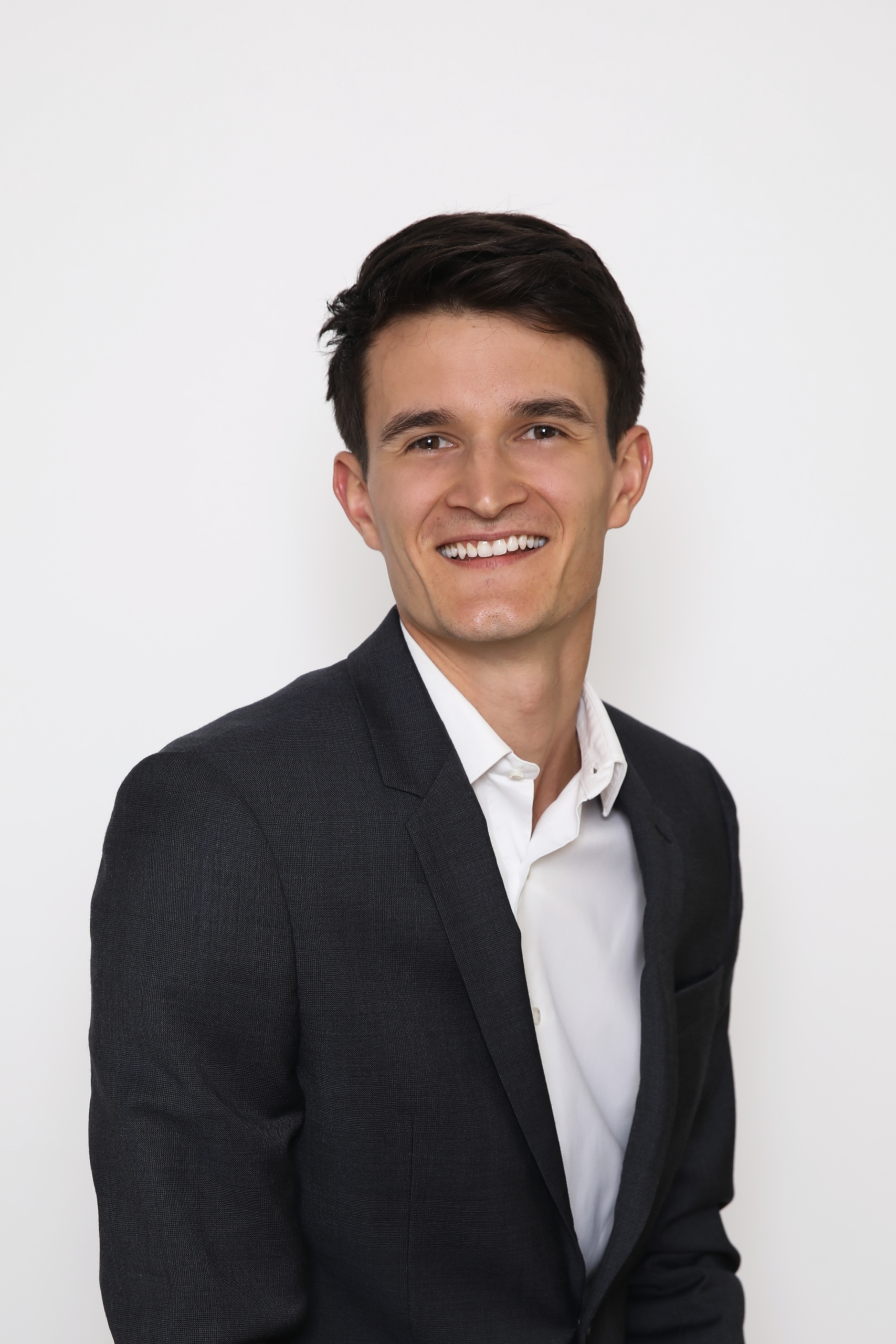
Martin Denais is the CEO and co-founder of Callyope, a healthtech start-up using AI to improve mental health care in Europe. After spending seven years in finance, he chose to pursue a more purpose-driven career focused on societal impact. He reunited with former engineering school peer Rachid Riad, whose PhD research applied AI to neuroscience, and together with co-founder Xuan-Nga, they launched Callyope.