Omnichannel: Redesigning customer engagement to improve patient outcomes

In today's digital age, most of us suffer from information overload in some way. In the pharmaceutical world, our customers and stakeholders are certainly overwhelmed with communications and data from multiple sources on a regular basis. This can make it difficult to get the right content to the right person at the right time – which, in turn, can impact not only productivity and efficiency, but patient care. So, how can we design a better way to engage customers and share timely, useful information with them?
The role of Medical Affairs within the pharmaceutical industry is to generate and disseminate evidence to healthcare professionals and other stakeholders, to help them optimise patient management and improve outcomes. A transformation is underway to better engage customers utilising an omnichannel approach.
First, let me explain what I mean by omnichannel. It is not simply about having lots of digital channels, in the way that many pharmaceutical companies adopted multi-channel marketing during the COVID-19 pandemic. I believe omnichannel goes much further. It's about creating a seamless, personalised experience that bridges the traditional divide between Medical Affairs and Commercial teams, and is focused on one joined-up customer approach.
Meeting the customer where they are
In practice, this means everyone gets the same information at the same time. This can be very helpful; for example, if we’re presenting data at a conference, you’ll see this immediately whether you’re in Germany or Taiwan. This isn't just about convenience; it's about improving patient outcomes by closing knowledge gaps and ensuring optimal use of medical evidence – through a system designed to meet the customer where they are. It is critical that companies look at engagement across all their functions with a genuine joined-up mindset – not a new concept in our industry, but certainly not a commonly used one.
In the ideal scenario, valuable scientific information flows quickly and efficiently to those who need it, but unfortunately that’s not always reality. For example, new clinical data can take months to reach healthcare professionals around the globe. Within Medical Affairs, teams must be immediately prepared to engage in scientific discussions with healthcare professionals, based on their interest and needs. Teams can then provide appropriate follow-up information to close the identified educational gap. Additionally, by utilising omnichannel across Medical Affairs and Commercial, companies can ensure that data and information are communicated consistently and compliantly across all markets, regardless of roles. This creates a seamless experience for the healthcare professional, while respecting the boundaries and independence of respective functions. At all stages, the engagement is personalised and relevant, while avoiding those disconnected touchpoints that are still all too common.
The challenges in creating an omnichannel
An effective omnichannel strategy requires careful alignment across Medical Affairs and Commercial. This is not an easy thing to achieve and must be done within a compliant framework. Our teams have worked hard to identify and solve the challenges and manage the risks. This has involved building new infrastructure, developing additional capabilities – and creating ways of working that enable us to maintain and ensure independence while working together.
From evidence generation and dissemination to amplification
An effective Medical Affairs omnichannel approach is based on identifying knowledge and data gaps, and creating integrated evidence dissemination plans to address them. Begin with evidence generation and disclosure, work across teams to generate data, and share it through scientific congresses and publications.
To ensure that information reaches healthcare professionals globally in a timely manner, amplification is also a key component. When thinking about amplification, it is critical to start by understanding what information the customer wants and the preference for receiving it. For example, some customers value self-learning platforms, while others may prefer individual Field Medical interactions. What is important is that we always strive to understand the best ways to engage and can do so quickly and seamlessly.
Measuring success
Looking ahead, we should recognise that achieving Amazon- or Netflix-level personalisation is a high bar – and that is not the objective. Focus should be on delivering value to healthcare professionals and patients through impactful improvements, learning and adjusting, with a constant focus on ensuring engagements are highly relevant to each customer. For me, it is about "progression over perfection", moving forward while maintaining the highest standards of compliance and scientific rigour.
The ultimate measure of success will be the impact on patient care. By breaking down silos and creating more intuitive ways for healthcare professionals and other stakeholders to access and engage with medical evidence, I believe omnichannel will help to advance patient care and improve patient experience and outcomes.
The future of pharmaceutical customer engagement lies in this balanced, integrated way of working, with a continued focus on what matters most: patients.
About the author
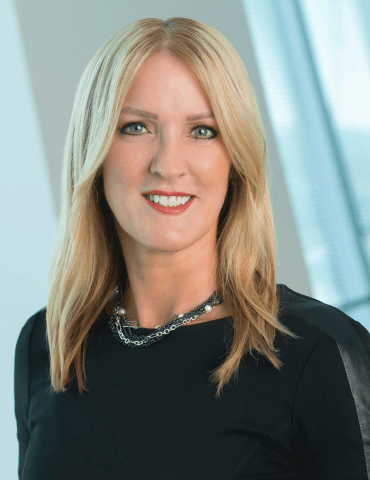
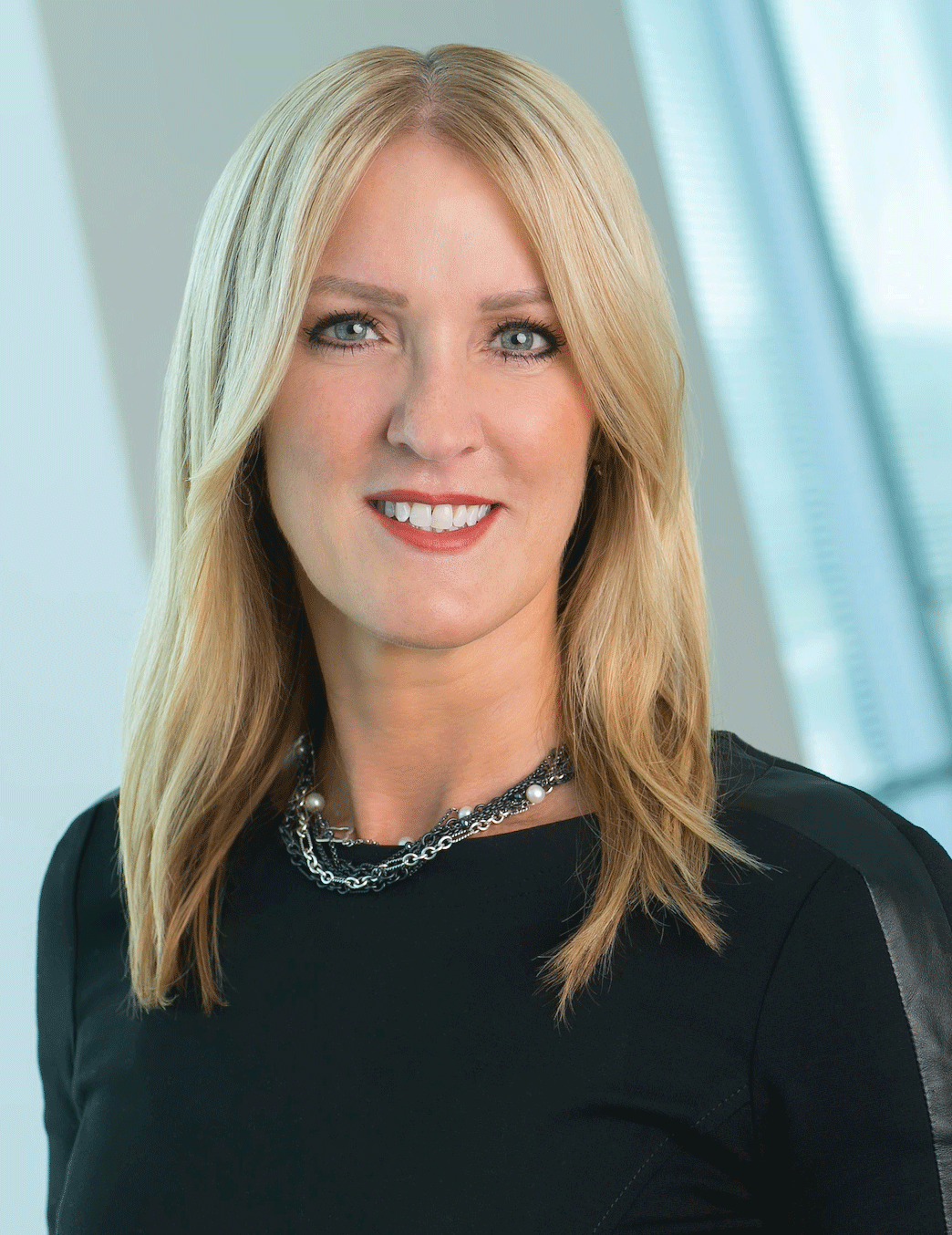 Dr Shontelle Dodson is executive VP of medical affairs at Astellas Pharma, Inc, and has extensive commercial, clinical, and research experience in the healthcare and pharmaceutical industries. After several years of service in direct patient care at the Department of Veterans Affairs, Dr Dodson spent eleven years at Pfizer, Inc, in various Medical Affairs leadership roles across the urology and respiratory franchises. Following her work with Pfizer, she served as VP of medical affairs at GTx, Inc, leading the biotech’s work in muscle wasting in patients with cancer. During her time at Astellas, she has been integral as a senior executive leading both commercial and medical affairs organisations through globalisation, alignment of practices,and execution of key business projects. Dr Dodson serves on the Board of Directors for the National Pharmaceutical Council (NPC) and the Society for Women’s Health Research (SWHR) and has received multiple awards for leadership and innovation during her career. She holds a Doctor of Pharmacy degree from Mercer University College of Pharmacy and completed a postdoctoral residency at the Department of Veterans Affairs Medical Center in Nashville, Tennessee.