Women in STEM: Balancing the field from the beginning
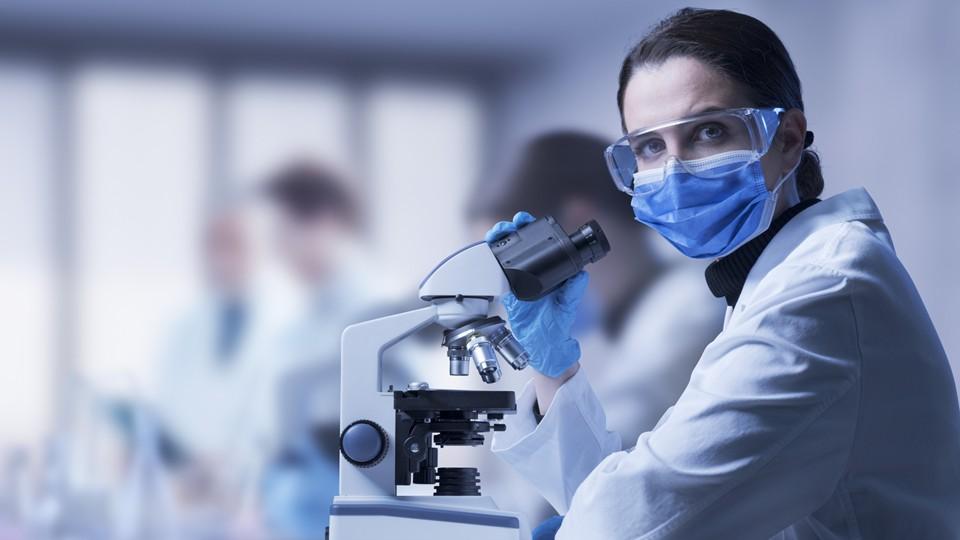
Last month marked Women’s History Month, and in February there was International Day of Women and Girls in Science, too. But, shockingly, the question yet remains as to whether the modern pharma talent pipeline is as balanced and optimised as it could be in its representation at all levels, or whether more could be done to further opportunities for women – beginning from increasing the amount of female students in STEM; from the ground up, so to speak.
In order to review how far gender equality has come across life sciences, and assess what more could be done to further harness female potential from the beginning, pharmaphorum spoke with three female experts from Thermo Fisher Scientific: Erica Hirsch, president of laboratory chemicals & laboratory plastics essentials; Dr Asha Collins, VP and general manager of liquid handling solutions; and Noreen Hong, VP and general manager, growth, protection & separation business.
“Addressing representation in STEM begins by sparking curiosity and confidence in the next generation.”
– Erica Hirsch
Q. Even in 2026, women remain underrepresented in the STEM community. Why do you think this is?
Erica Hirsch [EH]: Oftentimes, women and underrepresented groups lack access to an adequate STEM education early on in their education. Early exposure to complex topics can help ease younger generations into new fields that they might not have considered, especially when they can engage in hands-on experiences and learn from mentors that they can relate to. This kind of experience can help them envision a future in STEM fields.
Unfortunately, many underrepresented groups are at a disadvantage due to structural barriers preventing them from early STEM access and education, which is why the proliferation of programmes designed to uplift this next generation of scientists is a necessity. Programmes that connect young students with scientists and provide opportunities to experiment, build, and ask questions can make a significant difference. Through my own volunteer work with an organisation that supports STEM education for girls in underrepresented communities, I’ve seen firsthand how powerful that early engagement can be. When students are given the chance to explore science in an encouraging environment and meet people who work in these fields, it can shift how they see their own potential.
Noreen Hong [NH]: While we’ve made progress, women in STEM are still underrepresented due to a mix of access, representation. and how we define talent.
Early exposure to STEM education can play a defining role in who pursues a career in STEM, because not everyone has the same encouragement or opportunities to do so. Even when women do enter the field, the conditions aren’t always in place for them to stay and advance, whether through mentorship, representation, or clear development paths.
There’s also an opportunity to redefine how we evaluate talent. Rigid requirements that don’t take into account the diversity of talents and how different strengths can contribute to the field can unintentionally narrow the pool, instead of recognising potential and transferable skills.
“The focus now should be on being more intentional, both in attracting women into STEM and in creating clear, meaningful paths for them to grow and lead.”
– Noreen Hong
Q. Nonetheless, from advancing precision medicine and cell therapies to strengthening clinical diagnostics and sustainable lab practices, women continue to make notable impacts on the research community and global health. What, in your opinion, have been the most notable contributions to the life sciences by women? Who inspired you?
EH: Women have played a pivotal role throughout my career in STEM as mentors and inspiration. During my Master’s research. I studied telomeres, the specialised regions of repetitive DNA sequences located at the ends of linear chromosomes. My research in this field would not have been made possible without the work of another female scientist before me, Elizabeth Blackburn.
Blackburn’s work, alongside Carol Greider and Jack Szostak, discovered how chromosomes are protected by telomeres and identified the enzyme telomerase. This was a historic breakthrough and earned Blackburn and her team the 2009 Nobel Prize in Physiology or Medicine, fundamentally changing our understanding of cellular ageing, cancer, and chromosome stability. If it wasn’t for Blackburn’s contributions, the field that I studied would not be what it was. Her research was the foundation for the questions I was exploring in the lab.
I am also inspired by the women scientists in the field today across academia, industry, biotech, and more. The women leading the labs today are helping to contribute to real-world health solutions, emphasising the importance for diverse perspectives to help strengthen and broaden scientific discovery.
NH: Women have made incredible contributions across life science research, from foundational discoveries to the advancement of entire fields like precision medicine, diagnostics, and cell and gene therapy. While these foundation breakthroughs have served as an inspiration for me throughout my career, the way women have made an impact in shaping how we approach science has also made an impact. Their strong focus on collaboration, patient impact, and real-world application has greatly influenced how I approach my work and leadership every day.
There are so many inspiring examples of women throughout history, but I’m equally inspired by the incredible leaders I’ve worked with throughout my career who challenged the status quo, thought differently, and created opportunities for others to grow. They showed me that leadership isn’t just about expertise; it’s about guiding and lifting others up to help drive meaningful impact.
That combination of scientific contribution and leadership is what continues to move the industry forward and ultimately improve outcomes for patients around the world.
“For underrepresented groups to be accurately represented in STEM, early education is key.”
– Asha Collins
Q. What has the journey to today been like for you personally within this landscape?
Asha Collins [AC]: To me, science is one of the most effective ways to make an impact on those around you. Making an impact is something I wanted to do in my career and after graduating undergrad and working as a scientist for a few years, I realised I wanted to make more of a difference. Science is truly impactful when it’s being performed at scale. It was my mentor who inspired me to pivot from science to consulting. As a consultant, I was able to combine my STEM-based education and advise one of the largest global pharmaceutical companies, learning the ins and outs of their business operations, the bureaucratic tape that slows innovative research down, and how to navigate it.
When I transitioned out of consulting into leadership positions in the life sciences industry, it was with new experience and broader ambitions to make a difference. I knew what I brought to the table and, most importantly, how to quantify my impact so people couldn’t deny the benefits and changes I could enact. Being able to accurately pinpoint the impact I’ve had helping labs integrate advanced equipment into their workflows has allowed me to gauge my abilities as a leader, where I’m strongest and where I could improve.
EH: I’ve always been fascinated by science and knew early on that I wanted a career where I could continuously research, learn, and create. That passion led me to pursue both my undergraduate and Master’s degrees in molecular biology. That experience gave me a deep appreciation for how foundational discoveries at the molecular level can shape the future of medicine and scientific innovation.
At the same time, I became increasingly curious about the business side of innovation, how discoveries move beyond the lab and become technologies that enable researchers around the world. That curiosity inspired me to earn my MBA soon after graduate school. After working in several STEM-focused roles and gaining hands-on experience as a scientist and researcher, I ultimately found my professional home at Thermo Fisher Scientific, where I work today.
After more than fifteen years with the company, I’ve had the opportunity to work across multiple teams and lead different businesses, developing a deep understanding of emerging technologies and their impact on advancing research and discovery. While my role today is on the business side, I still see my work as part of the broader scientific ecosystem, helping connect researchers with the tools, technologies, and partnerships they need to drive progress. I’ve also been fortunate to work within a strong community of colleagues and mentors who value collaboration and supporting one another as the field continues to evolve.
NH: My journey has been one of continuous learning and growth. I’ve had the opportunity to take on roles that challenged me and pushed me outside of my comfort zone, but I’ve also had strong mentorship and support along the way, which made a big difference.
There were definitely moments early in my career where I second-guessed myself or felt like I needed to have all the answers. But over time, I’ve learned to trust my instincts, speak up with confidence, and to advocate for myself. I’ve also been fortunate to work with leaders and teams who were willing to break boundaries to bring real impact for our customers and for the business, which has shaped how I lead today. Looking back, it hasn’t always been a straight path, but those experiences are what have really defined my journey.
It’s been incredibly insightful and educating to have grown so much in my career at Thermo Fisher. I have had the opportunity to be a part of very impactful research efforts, most notably, helping research labs affordably transfer to more sustainable alternatives. This has required diligent research and partnerships with researchers to create innovative technology solutions that can help them more easily meet their sustainability goals.
“My involvement with organisations like Science Club for Girls has reinforced just how important early access, representation, and encouragement can be.”
– Erica Hirsch
Q. What part can visible role models, mentorship, and cultures play here?
EH: Role models and mentorship play a critical role in shaping the next generation of scientists. Throughout my career, I have made a conscious effort to support young girls as they explore and pursue their curiosity for STEM […] For many girls, seeing someone who shares similar experiences succeed in science or technology can make these careers feel more attainable. Mentorship not only helps build confidence and curiosity at a young age, but also provides guidance, resources, and a support network that can empower students to continue pursuing opportunities in STEM as they grow.
NH: Throughout my career, I have focused on helping create a workplace culture where people feel supported, encouraged to ask questions, and empowered to grow. I would not be where I am today without the women who helped cultivate those kinds of environments and demonstrated that curiosity, collaboration, and learning from one another are essential parts of scientific progress. Their example made it possible for me to see myself belonging in STEM and gave me the confidence to continue pursuing opportunities in the field.
Creating safe environments where people can learn and make mistakes is especially important for underrepresented groups, who often face disproportionate pressure to prove themselves. When teams feel safe, individuals are more willing to share ideas, strengthening innovation and discovery. By continuing to invest in inclusive workplace cultures, organisations can help ensure that the next generation of scientists and innovators not only enter STEM fields, but have the support and opportunity to truly thrive.
AC: One of the most impactful steps women and other underrepresented groups can take in pursuing a career in STEM is simply to go for it. While progress has been made in improving representation, the field still does not fully reflect the diversity of the world around us. That makes it even more important for the next generation of scientists to approach their ambitions with confidence, curiosity, and a willingness to take risks. Pursuing new ideas, asking questions, and learning from mistakes are all essential parts of innovation, and no one should feel discouraged from participating in that process.
By cultivating a sense of ambition and fearlessness, next-generation scientists can help shape a new generation of STEM leaders who bring fresh perspectives and ideas to the table. Just as importantly, they must resist the urge to doubt their own abilities. Recognising the value of their presence and understanding the opportunities that might be missed if they were not in the room can empower individuals to step forward, share their ideas, and play a role in shaping the future of science and technology.
Q. What trends do you believe we will see next when it comes to achieving more balanced representation of women in the STEM community?
EH: There has been a steady rise in networking and mentorship programmes dedicated to supporting women and girls in STEM […] These organisations create spaces where underrepresented students can access mentorship, hands-on learning opportunities, and professional networks that they might not otherwise encounter. By connecting participants with mentors who share similar backgrounds, experiences, and challenges, these groups provide both practical guidance and powerful role models. Seeing women who have successfully built careers in STEM helps younger generations visualise their own potential in these fields, reinforcing the idea that their ambitions are attainable and worth pursuing.
NH: Cultivating an inclusive and flexible environment is of the utmost importance to help achieve a more balanced representation of women in the STEM community. While it’s important to cultivate a healthy environment for people to make mistakes and grow in for those in the early stages of their careers, it’s also important to create a flexible work environment for employees at every stage of their careers.
This can be especially beneficial for women, as many are often forced to confront the realities and challenges of starting and raising families while balancing careers. Flexible work methods such as remote or hybrid work can help employees balance their professional and personal lives and reduce the mid-career drop off many women experience. Acknowledging the different structural barriers women and underrepresented groups can encounter throughout their careers and formulating ways to help mitigate the impacts is what can help balance the STEM field to more accurately represent the audience it serves.
AC: Early exposure to STEM can help build familiarity, curiosity, and confidence in the field and prevent a decline in interest due to stereotypes, lack of role models, and limited encouragement. Additionally, being exposed to mentors in the field that they can develop relationships with can also build a safe space for them to explore their curiosity in STEM and maintain an interest in the field.
About the interviewees
 Erica Hirsch, president, laboratory chemicals & laboratory plastics essentials
Hirsch has 20 years of life sciences experience, with expertise in change and talent management. She has been a general manager in multiple businesses including LPD, CAD, and GSG. Hirsch joined Thermo Fisher Scientific as part of the Graduate Leadership Development Program, where she worked on several integrations in AIG and SDG. She also worked in CAD and CMD in product management and business development. Previously, Hirsch was a scientist at Novartis Institutes for BioMedical Research. She works closely with several STEM-based organisations in New England and has a BSc and an MSc in Molecular Biology from Worcester Polytechnic Institute and an MBA from Babson College. Hirsch lives in NJ with her husband and their adorable dog.
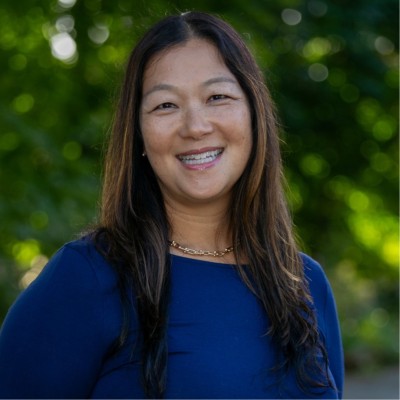 Noreen Hong, vice president & general manager, growth, protection & separation business at Thermo Fisher Scientific
Hong has more than two decades of experience in global operations, commercial leadership, and strategic growth. She has a proven record of driving innovation, operational excellence, and customer value across the life sciences industry. Hong’s leadership is grounded in a strong technical foundation, supported by an MBA in Marketing from Bentley University and a Bachelor's in Biomedical Engineering from Boston University.
 Dr Asha Collins, vice president and general manager of liquid handling solutions
Dr Collins leads liquid handling solutions with full P&L responsibility, overseeing the development and launch of tools including pipettes, pipette tips, and automated high-throughput liquid handling systems. A global life sciences executive with 25+ years of experience, she is known for driving operational excellence, scaling innovation, and delivering growth across biopharma and healthcare technology. Previously, she held senior leadership roles at DNAnexus, Genentech/Roche, and McKesson.