Why clinical trials lose a quarter of their patients before enrolment
Fragmented data does more than slow trials down. In some cases, it can limit eligible patients from participating in a trial altogether; one oncology trial analysis found that roughly one in four consented, eligible patients never reached enrolment because their self-reported health information didn’t match their medical records.
From finding the right patients and vetting their information, to completing enrolment and following their care journey, data fragmentation creates unnecessary burden on sponsors and the people trials aim to serve. For patients, fragmentation adds another layer to an already complicated healthcare journey. Tasked with contacting providers, obtaining records, signing release forms, and filling out surveys, they’re likely to make a mistake in self-reporting or at minimum, feel overwhelmed by what’s required of them.
Meanwhile, sponsors are stuck in traditional research methods. They’re planning studies in a vacuum, comparing the array of options for de-identified datasets and managing recruitment data before a trial even begins. It’s tedious, complex work to find where eligible patients are, which providers are treating them, and then confirm which individuals are in fact an appropriate fit out of the population of potential participants.
Among all the planning steps and enrolment hurdles, one thing is clear: disconnected data sources can no longer keep pace with what sponsors need to identify, prescreen, and enrol the right patients.
Bridging the gap from planning to activation
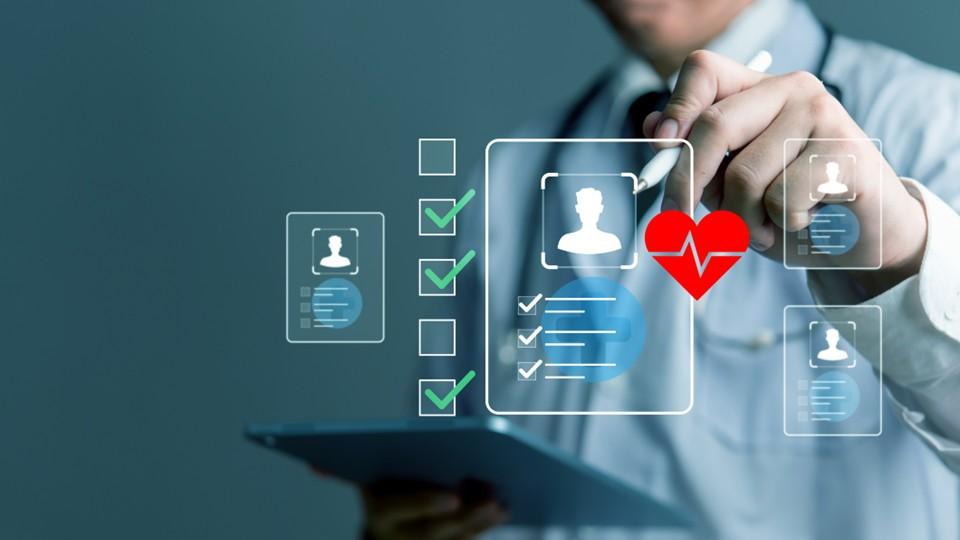
Real-time patient intelligence has started replacing traditional screening methods with a faster, more direct path to eligible candidates. It surfaces patient-level details, within a secure environment and based on appropriate trial criteria, to those who need to quickly understand where patients are and how to engage them. This can turn hours of sorting through EHR data into minutes by matching patient healthcare data and clinical notes to trial criteria.
By bringing data together into one intelligence layer, sites and sponsors can streamline identification and focus their efforts on engaging eligible patients. For example, if a trial is looking for patients with type 2 diabetes and no history of cancer or GLP-1 use, a connected dataset with artificial intelligence (AI) built on top of it to help find the right patients can identify potentially eligible patients almost instantly. It flags eligibility before time and resources are further spent on screening or administrative tasks.
Beyond helping studies enrol faster, a stronger data strategy also mitigates the risk of two costly failure points that self-reported data can cause. First, it preserves resources during pre-screening. By easily identifying those who are likely to not meet trial criteria, coordinators can focus more of their time on progressing the right individuals further through the enrolment process. More robust patient data also shines light on potential access barriers to trial participation, such as lack of transportation or distance from a trial site. Having a clear picture of social drivers upfront signals to sponsors that additional resources may be needed in conducting the trial, and guides them in developing a plan to support participants.
Secondly, patient intelligence helps ensure that qualified patients don’t get lost in the mix. Relying on self-reported data alone sometimes means that eligible individuals slip through the cracks because they may fill out information incorrectly or not fully remember their medical history. Gaps in self-reported data can lead to missed opportunities for other beneficial trials to the patient, such as if they expressed interest in a particular fertility trial, but are actually eligible for a diabetes trial. Verifying eligibility against patients’ healthcare data helps sponsors prevent the right people from failing pre-screening while finding their eligible population faster.
With robust clinical data and AI-powered logic working together, trial sponsors can better catch false eligibility claims and trial coordinators can spend their time on the patients most likely to qualify.
Regulatory tailwinds for real-world data
While innovative data strategies are transforming trial recruitment, regulatory agencies are sharing new guidance to help trials advance further as well.
In December 2025, the FDA finalised guidance allowing diverse de-identified data, including insurance claims, EHRs, and disease registries, to support medical device submissions, rather than requiring identifiable patient-level data. Those datasets solve a downstream problem for regulators, but the same data securely available at the identified level solves an upstream problem for recruitment. If claims and administrative records are reliable enough to support a submission, they're reliable enough to confirm patient eligibility before a candidate ever reaches a coordinator.
Additionally, HIPAA’s Right of Access and TEFCA’s Individual Access Services (IAS) are making it easier for patients to obtain their health records. For patients actively looking to enter a study, this simplifies their role in the recruitment process.
HIPAA’s Right of Access also defines the authorisation waiver and framework for research use of patient health information. The waiver puts patients in control of sharing their data, allowing them to consent to its use in a study, while the framework accelerates retrospective research by allowing a review board to approve a study without requiring individual sign off from every patient. Both aim to uphold data privacy and reduce the friction of data collection and usage for clinical trials.
Better enrolment leads to better outcomes
As more sponsors advance their data strategy, patients will feel the shift. The onus will no longer be on individuals to enrol themselves in trials, which has real impact on the millions of patients navigating complex care needs. For example, the parents of a pediatric patient with a rare disease can have one less step to manage, or the person living with a chronic condition can spend less energy tracking the accuracy of their data and more on their quality of life.
Meanwhile, innovations in data collection, aggregation, and AI analysis, along with further regulatory progress, will transform how data systems work, making healthcare easier for patients and more manageable for all the parties involved in bringing a trial to life.
On the trial development side, a stronger data strategy speeds up recruitment and improves the odds that a trial meets its enrolment targets on schedule. Sponsors can replace manual pre-screening steps with a clearer picture of eligible patients from the outset, which cuts the time spent validating patient history and confirming eligibility. That time saving compounds across the trial timeline, from site selection through final enrolment, and reduces the likelihood of delays tied to slow or incomplete recruitment.
Ultimately, with the right data strategy, more trials can move forwards on schedule. Sponsors will spend fewer resources course-correcting mid-trial, and the therapies those trials are testing can reach patients sooner.
About the author
 Jen Lamppa serves as the senior vice president of commercial strategy at Inovalon, where she leads the strategic roadmap and commercialisation of real-world data solutions for clinical research and other key uses. She partners with life sciences organisations to accelerate evidence generation, improve study design, feasibility, and unlock deeper clinical insights. Previously, she held leadership roles at Norstella, Inari Medical, Parexel, and Health Advances. Lamppa holds a PhD in Biomedical Engineering from Dartmouth College.