Removing barriers in treatment-resistant depression

Although real progress has been made in managing depression over recent decades, significant hurdles remain. In fact, around one third of people diagnosed with major depression have what is termed ‘treatment-resistant depression’ (TRD), meaning their symptoms fail to improve after trying at least two different standard anti-depressant medications.
Rapid-acting therapies have marked an important shift in depression treatment, demonstrating the potential for antidepressant effects to emerge much sooner than with conventional approaches. Yet, questions around access, treatment burden, scalability, and patient convenience continue to shape how these therapies are used in practice.
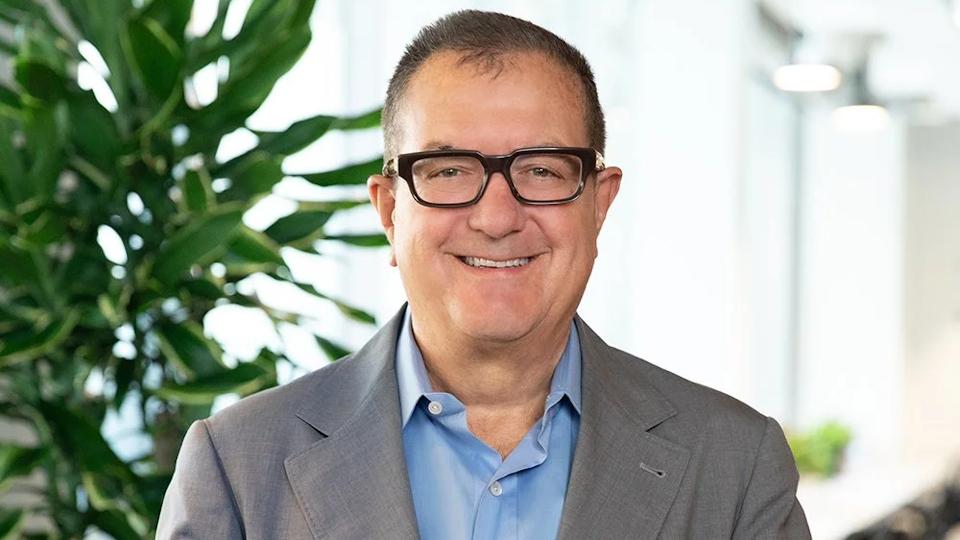
Marking World Mental Health Month, Hans Eriksson, chief medical officer of FundaMental Pharma and a psychiatrist and drug developer with more than 25 years of experience in depression research and development, spoke with pharmaphorum about why treatment resistance remains such a challenge, the lessons learned from rapid-acting therapies, and where the next generation of treatments may be headed.
Q. Why does treatment resistance remain one of the most difficult challenges in psychiatry?
Treatment-resistant depression is difficult partly because depression itself is highly heterogeneous. Two patients can meet the same diagnostic criteria while differing substantially in symptoms, underlying biology, comorbidities, and response to treatment. “Treatment resistance” is also a clinical description, rather than a single disease mechanism: apparent failure may reflect differences in biology, pharmacology, tolerability, adherence, or other clinical factors.
A further challenge is that most conventional antidepressants act through broadly similar monoaminergic mechanisms and may take several weeks to demonstrate their full effect. For someone who has already experienced multiple unsuccessful treatment trials, repeatedly moving from one related therapeutic approach to another can mean many months of continuing illness.
This creates a strong rationale for treatments acting through fundamentally different biological mechanisms, particularly if they can also provide a more rapid response and offer a meaningful alternative to repeated therapeutic trial-and-error.
Q. How does treatment burden limit the real-world adoption of rapid-acting therapies, such as esketamine?
Esketamine represented an important advance by demonstrating that meaningful antidepressant effects do not necessarily require weeks to emerge. But its use also highlights an important distinction between pharmacological efficacy and real-world accessibility.
Esketamine is administered under healthcare-professional supervision, with patients monitored after dosing. Patients must also plan around restrictions such as not driving until the following day. For the individual, this can mean repeated travel, time away from work or family responsibilities, and dependence on transport or accompanying support.
The burden is equally important at a system level. Supervised administration requires clinical space, trained staff, and monitoring capacity, which limits patient throughput and can make widespread implementation difficult outside specialised centres. These practical constraints can influence both access and treatment economics.
None of this detracts from esketamine's therapeutic contribution. Rather, it illustrates an important lesson for the next generation of rapid-acting antidepressants: innovation needs to address not only whether a treatment works, but how realistically it can be delivered at scale.
Q. What differentiates dual-acting NMDAR modulation from conventional NMDAR antagonism, and why could this matter clinically?
Ketamine and esketamine have provided important clinical validation of the NMDA receptor (NMDAR) as a therapeutic target in treatment-resistant depression. However, conventional NMDAR antagonism is also associated with pharmacological effects including dissociation, perceptual disturbances, sedation, and cognitive effects, which can contribute to the need for supervised administration.
By way of example, the dual-acting approach we are pursuing at FundaMental Pharma is mechanistically distinct. FMP374 combines NMDAR antagonism with disruption of a protein complex formed between the NMDA receptor and the monovalent cation channel TRPM4. Research underlying this approach suggests that the NMDAR/TRPM4 interaction is involved in pathological extrasynaptic NMDAR signalling and that disrupting this interaction may reduce harmful downstream signalling without broadly suppressing the physiological functions of the NMDA receptor.
That distinction is potentially important because NMDARs are involved in normal synaptic transmission, plasticity, learning, and memory. A therapeutic strategy that modulates pathological signalling while preserving more of the receptor’s normal function could, in principle, create a wider therapeutic window than conventional antagonism alone.
FMP374 brings these two actions together in a single orally bioavailable molecule. In preclinical depression models, it has demonstrated rapid and sustained antidepressant-like effects at exposures below those associated with behavioural signs of excessive NMDAR pharmacology. In addition, FMP374 has been shown to be a potent neuroplastogen, which actively promotes neuroplasticity – the brain’s ability to reorganise its structure, form new synapses, and strengthen or weaken neural connections – by boosting BDNF expression. Reduced BDNF levels are associated with depression, which is why antidepressants that promote neuroplasticity are preferred treatment modalities.
The critical question now is clinical translation. What we need to understand is at what dose/exposure rapid antidepressant efficacy can be preserved while reducing clinically significant dissociation, hallucinations, sedation, or cognitive impairment. If a meaningful separation can be demonstrated in patients, it could materially change how NMDAR-based treatments are used.
Q. What are the key scientific and clinical considerations in developing an oral treatment that can be taken at home?
Developing an oral drug is relatively straightforward; developing one that can safely be taken at home is much more demanding.
First, the pharmacokinetics must be predictable. We need to understand absorption, dose proportionality, food effects, drug interactions and, critically, the relationship between exposure, pharmacological activity, and adverse effects. For an NMDAR modulator, establishing a convincing margin between the therapeutically relevant exposure range and dissociation, sedation, cognitive impairment, or other CNS effects will be particularly important.
The clinical development programme then has to demonstrate that margins observed preclinically translate into humans. Safety considerations also extend beyond an individual treatment session to repeated dosing, concomitant medications, overdose, and misuse potential.
The key principle is that at-home treatment is not simply a formulation choice, it is a clinical profile that has to be earned through evidence. If that profile can be established, it could substantially broaden access to rapid-acting treatment.
Q. If rapid antidepressant efficacy could be combined with oral, at-home administration, how might that change the treatment pathway for patients with treatment-resistant depression?
The potential change is much greater than simply replacing one route of administration with another. A rapid-acting treatment that patients could safely take at home could allow this therapeutic approach to move beyond specialised centres and become accessible to a much broader population.
It could also change when clinicians consider using a mechanistically novel treatment. Today, treatment pathways often involve successive trials of conventional antidepressants, augmentation strategies and, for some patients, referral for more resource-intensive interventions. A practical oral therapy could potentially be integrated earlier and more easily into routine psychiatric care.
About the interviewee
 Hans Eriksson serves as chief medical officer of FundaMental Pharma. Eriksson brings more than 25 years of clinical development experience across pharma and biotech, including leading clinical development programmes at AstraZeneca, Lundbeck, COMPASS Pathways, and HMNC Brain Health. He has contributed to eight late-phase clinical development programmes in depression, three of which have resulted in regulatory approvals for Major Depressive Disorder (MDD). Eriksson holds an MD and PhD from Lund University in Sweden, and an Executive MBA from the Stockholm School of Economics, and has a clinical background as a consultant psychiatrist working with patients with depression and schizophrenia.