Redefining drug discovery: Morocco’s biotech strategy for infectious and chronic diseases
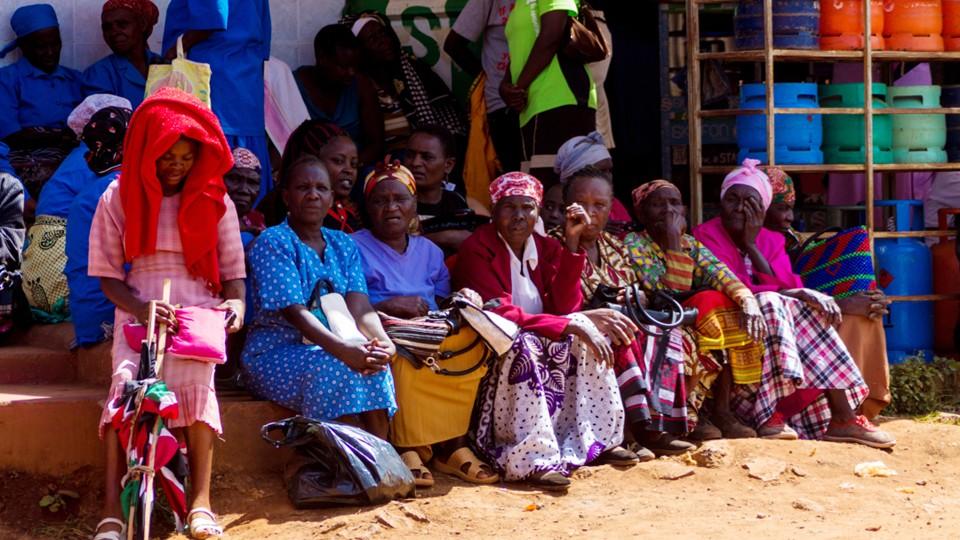
Africa’s healthcare systems continue to face significant economic and epidemiological pressures. A high burden of infectious diseases coexists with a rapid rise in non-communicable diseases such as diabetes, cancer, and cardiovascular conditions.
For example, in 2024 malaria accounted for an estimated 282 million cases and 610,000 deaths worldwide, with 94% of cases and 95% of deaths occurring in Africa, most of them among children under five. Similarly, sickle cell disease represents a major health challenge: in 2021, approximately 515,000 babies were born with the condition, and nearly 80% of these cases occurred in sub-Saharan Africa.
These examples illustrate a long‑standing imbalance in global research and development. The regions most affected by these conditions historically have had limited influence over the scientific priorities shaping new therapies. This gap is beginning to narrow as more research capacity is developed within Africa, allowing disease‑endemic regions to participate earlier in the discovery pipeline.
Reframing early drug discovery
Historically, much of the research on life-threatening diseases has been conducted outside the regions where these conditions are most prevalent, particularly in Europe and North America. However, ongoing work in Morocco demonstrates how developing research infrastructure can support innovative approaches grounded in locally generated data, rather than relying on imported assumptions.
Enhanced access to sequencing and genomic technologies is transforming our understanding of multiple diseases across North and sub-Saharan African populations. Detailed genetic data enables researchers to map the prevalence of specific mutations, understand how these variants influence disease severity, and tailor screening programmes to local communities. Beyond screening, these insights also inform early-stage drug discovery by identifying therapeutic targets that are most relevant to affected populations.
Regional research infrastructure enables the development of medicines that address locally prevalent parasite strains and patterns of drug resistance. By combining field-based epidemiological studies with laboratory testing, researchers can identify which active compounds are most likely to be effective in specific settings. Researchers are also exploring alternative strategies to address antimicrobial resistance, including approaches that seek to restore the effectiveness of existing antibiotics by targeting bacterial resistance mechanisms or combining them with other therapeutic compounds.
In addition, local clinical trial capacity allows for the more rapid evaluation of drug efficacy and safety in directly affected populations, reducing reliance on externally conducted trials and ensuring that findings are contextually relevant.
Strengthening the research environment
Building effective health innovation systems requires far more than access to scientific tools alone. It relies on strong multidisciplinary infrastructure, specialised technical training programmes, and dynamic collaborative networks that foster knowledge exchange and innovation.
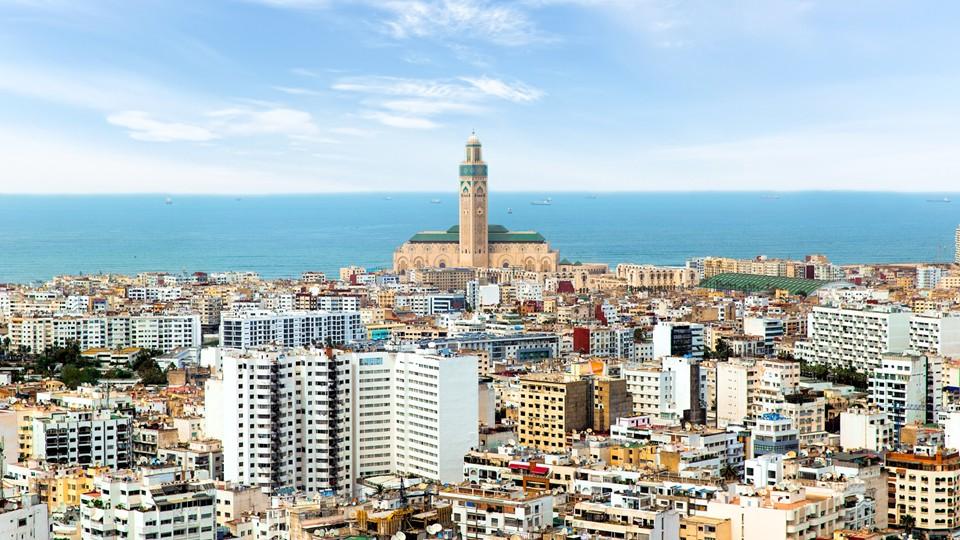
In recent years, Morocco’s research ecosystem has expanded significantly with the establishment of multiple research centres and well-equipped facilities. These include advanced imaging platforms, biosciences laboratories, animal model units, and comprehensive analytical chemistry and biochemistry capabilities. Designed to support complete research cycles locally, these facilities enable scientists across Africa to conduct high-level investigations without relying on external laboratories. In doing so, they help overcome long-standing challenges such as limited access to high-resolution technologies and delays caused by sending samples abroad, strengthening regional research autonomy and capacity.
Additionally, Morocco’s established pharmaceutical sector, supplying more than 70% of national medicine demand, provides a manufacturing base that could support future diagnostic or therapeutic production. These factors offer potential advantages for regional health‑security planning, particularly given the global supply‑chain disruptions observed during the COVID‑19 pandemic.
Towards a more distributed model of innovation
Emerging scientific capacity across Africa is enabling researchers to participate earlier in the discovery process, ensuring that innovation more accurately reflects the clinical needs and genetic diversity of affected populations. Rather than remaining solely end users of externally developed technologies, African institutions are increasingly contributing to the generation of knowledge that shapes therapeutic strategies from the outset.
Work underway in Morocco illustrates how computational approaches, gene-editing tools, and multidisciplinary research platforms can be applied to diseases where innovation gaps are well documented. By integrating bioinformatics, molecular biology, and clinical expertise, such initiatives demonstrate the feasibility of locally driven, globally relevant research.
For policymakers, industry partners, and research organisations, these developments highlight a clear opportunity: to strengthen collaborative models in which regions most affected by disease play a central role in guiding research priorities, accelerating therapeutic development, and ensuring equitable access to innovation.
About the authors
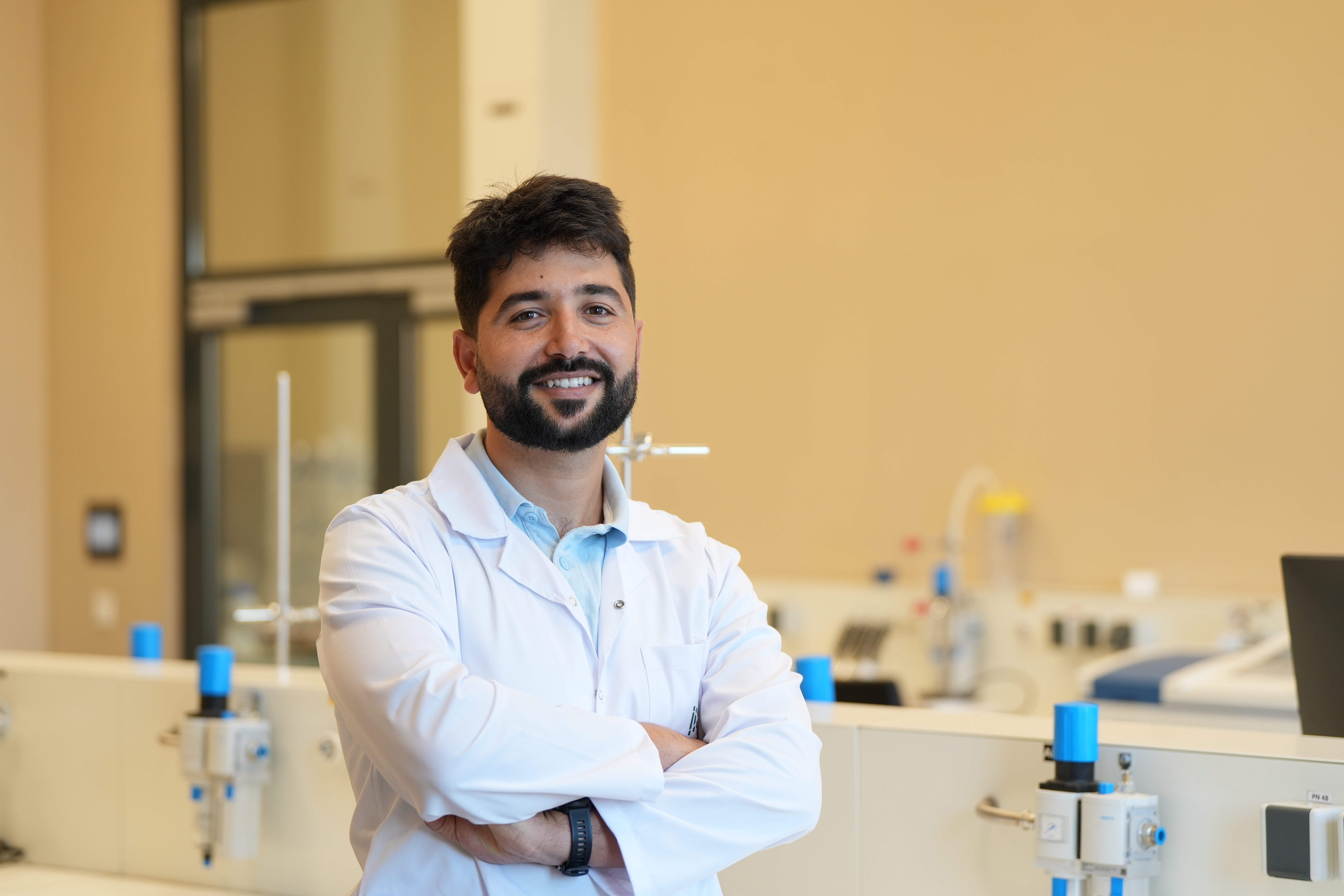
Dr Abdelhak Lachguar received his PhD in Chemistry from Paul Sabatier University in Toulouse, France, at the Laboratory of Coordination Chemistry (LCC, CNRS UPR 8241), under the supervision of Professor Eric Deydier. His doctoral research focused on the development of supported solid asymmetric catalysts. He then joined Dr Clément Camp’s group at the Laboratory of Catalysis, Polymerization, Processes and Materials (CP2M – UMR 5128) in Lyon, France, for postdoctoral training, where he worked on developing new synthetic approaches for the preparation of heterobimetallic complexes and on designing well-defined and highly dispersed heterobimetallic supported catalysts for late-stage isotope exchange. During his postdoctoral training, he also joined Professor John Arnold’s group at the College of Chemistry, University of California, Berkeley (USA), where he investigated the development of new actinide-based heterobimetallic complexes (thorium and uranium) for small-molecule activation. Since joining the Faculty of Medical Sciences (FMS) at University Mohammed VI Polytechnic in December 2024, his research focuses on developing innovative chemical approaches to create affordable, game-changing small-molecule medicines and biomaterials for diseases that currently lack effective treatments.
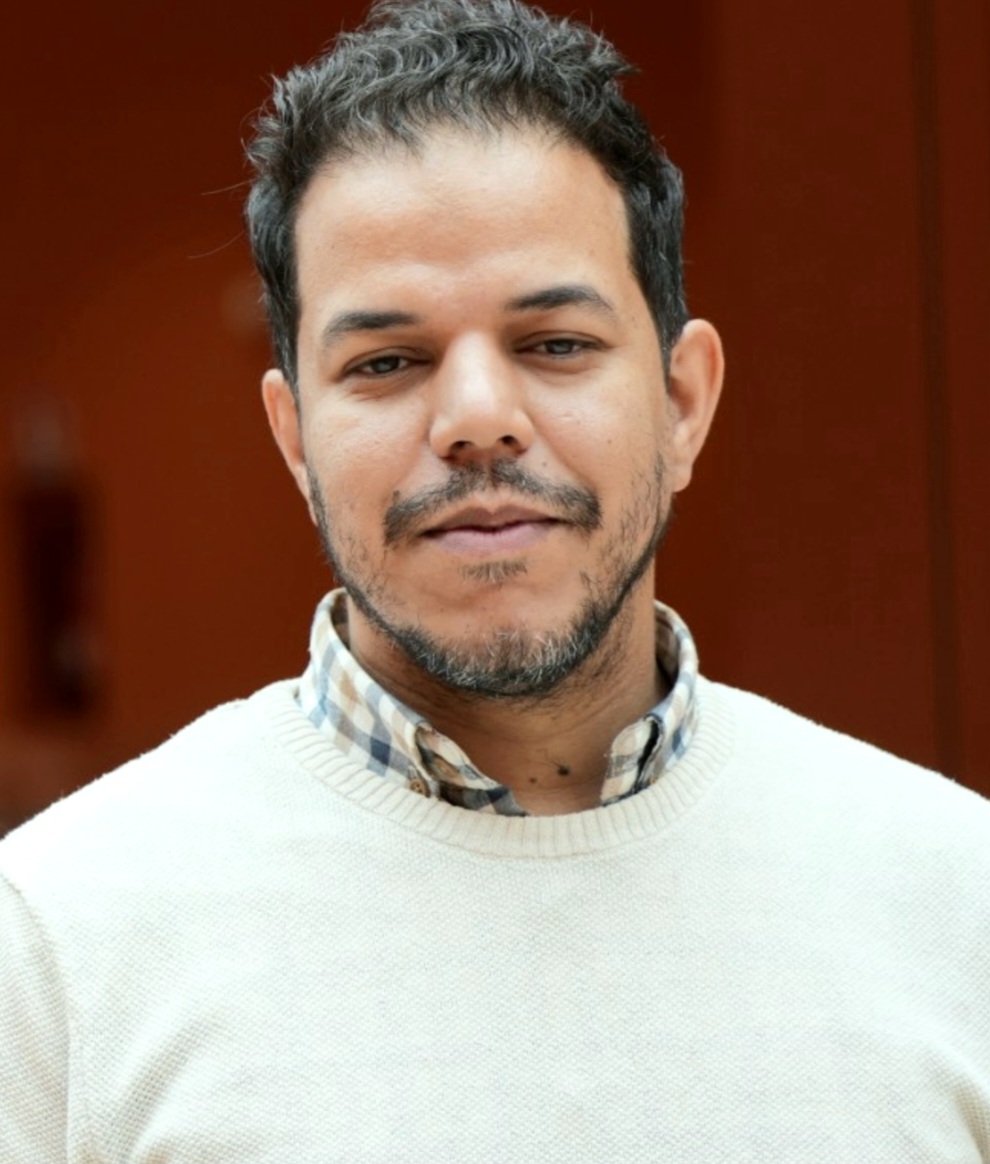
Dr Reda Ben Mrid obtained a Master’s degree in Techniques and Experimental Methodologies in Biotechnology from the Faculty of Sciences and Technologies of Tangier (FSTT). He subsequently began a PhD under joint supervision between the Faculty of Sciences and Techniques of Tangier (FST, Morocco) and the Pierre and Marie Curie University (UPMC, Paris, France), where he earned his PhD in Biochemistry and Molecular Biology in 2017. Following that, he oriented his research toward the medical field and initiated a project focused on the molecular screening of natural substances of pharmacological interest. Dr Ben Mrid joined Mohammed VI Polytechnic University (UM6P) in 2020 and is currently affiliated with the Faculty of Medical Sciences. His research integrates cellular biology, biochemistry, and pharmacognosy to identify and develop novel natural compounds for therapeutic applications. The main objective of his current research is to bridge fundamental and applied research in order to develop efficient, safe, and targeted cancer therapies. Dr Ben Mrid has authored more than 40 publications in peer-reviewed journals, including Cell Death Discovery, Cell Death and Disease, Drug Research, Archiv der Pharmazie, Food Chemistry, Chemosphere, Scientific Reports, Frontiers in Pharmacology, Biomedicine & Pharmacotherapy, and PLOS ONE.