Improving breast cancer outcomes in sub-Saharan Africa
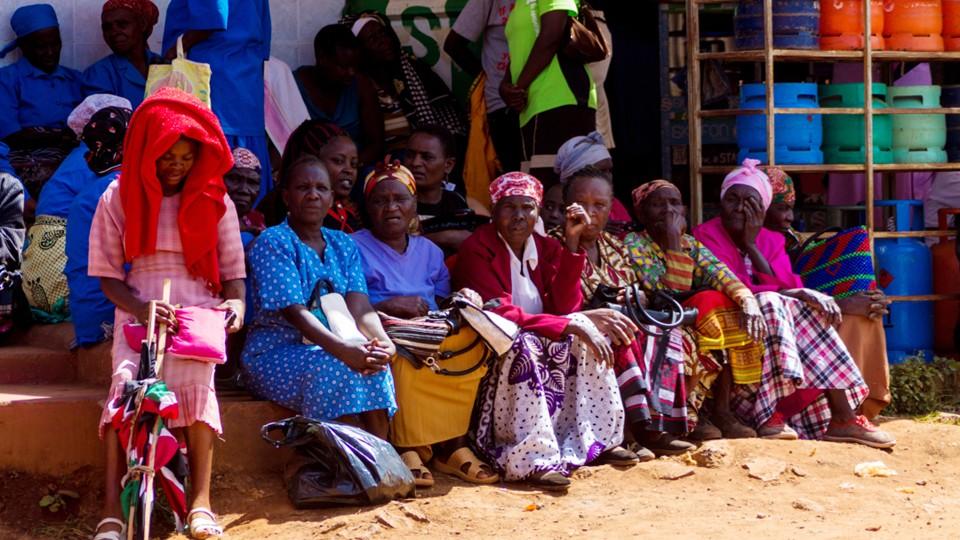
The Pfizer Foundation recently announced a new three-year, $10 million investment through its Action & Impact: A Cancer Care Initiative to expand access to timely breast cancer diagnosis, treatment, and care in sub-Saharan Africa.
The new funding will support efforts in Kenya by the Academic Model Providing Access to Healthcare (AMPATH), and in Ethiopia by Innovations in Healthcare in partnership with the Clinton Health Access Initiative (CHAI), with the funding equally divided between the two. Working with national ministries of health, the partners will seek to improve breast cancer care in low-resource settings by promoting earlier diagnosis and helping to address barriers that delay or prevent women from accessing treatment. The overall initiative seeks to address persistent disparities in breast cancer outcomes between high- and low-income countries, where survival rates remain significantly lower in sub-Saharan Africa.
In order to find out more, pharmaphorum spoke with: Dr Patrick J. Loehrer, Sr, the Joseph W. and Jackie J. Cusick Professor in Oncology and Distinguished Professor of Indiana University and founding director of the AMPATH-Oncology Program in western Kenya; Dr Adrian Gardner, executive director of the AMPATH Consortium and director of the Indiana University Center for Global Health; and Dr Loice Sitienei, consultant radiologist and lecturer at Moi University School of Medicine in Eldoret, Kenya.
Different geographies, different outcomes: Educating against cultural stigma & misinformation
Breast cancer is the most common cancer in sub-Saharan Africa,[i] accounting for one in three (32%) new cancer cases in Ethiopia[ii] and one in six (16.1%) of all diagnosed cancers in Kenya.[iii] While the five-year survival rate for breast cancer exceeds 90% in many high-income countries, it averages just 40% in sub-Saharan Africa due to barriers that delay diagnosis and limit access to treatment.[iv]
The key activities of AMPATH will be to engage regional health leaders in Kenya to revise national breast cancer guidelines and develop new education resources. Additionally, AMPATH will conduct community outreach and engagement activities to promote breast cancer awareness, and implement supportive care interventions for breast cancer patients. Also intended is the deployment of digital pathology and machine learning algorithms to improve diagnostics accuracy and timeliness, as well as strengthen the tumour registry programme to measure the impact of diagnosis and treatment.
“Let me let me paint the picture for you,” began Dr Loehrer. “A typical woman with breast cancer in the United States undergoes a mammography and they have microcalcifications and they get seen by their surgeon and they have a less than 1 cm mass that's removed. And overall we have about an 85% cure right now in breast cancer in the US, similarly in the UK. That's because patients are diagnosed early and the women are all educated to know that this is an important thing.”
“In sub-Saharan Africa, and many of the low- to middle-income countries, that's not the case,” he continued. “Women don't come in with microcalcifications on their mammogram; they come in with large breast masses, oftentimes ulcerated, many times already travelled to lymph nodes or other parts of the body. The number of women who are screened in Kenya for breast cancer is about 14%, which pales in comparison in the Western countries. [These women] may have concerns, but see traditional healers and herbalists [instead], who may treat it locally. And by the time they come to see the physicians, they have large masses.”
Dr Sitienei is a radiologist who does mammography and interventional biopsies for these patients. She says that, in the 14 years that she's been onsite in Kenya, she has never seen a patient who comes in with a microcalcification on a mammogram – all of them who come in come in with breast masses.
“Many women seeking breast cancer care services face multiple challenges in their journey, both healthcare systems-related and patient-related challenges,” explained Dr Sitienei. “Awareness on screening and why one needs screening is generally lacking among our communities. And the financial burden of care from diagnostics to treatment is overwhelming. Time lag from presentation to treatment is a healthcare systems problem that also makes a bad situation worse.”
Additionally, there is a stigma associated with cancer in sub-Saharan Africa and cancer is often thought of as a death sentence.
“Kenya is a patriarchal society and often men play a major role in decision making, including decisions on health-seeking behaviours of women,” said Dr Sitienei. “A woman might desire to seek services, but a male relative might be in charge of the resources she needs to facilitate her.”
“When I was growing up in the United States, in the 1950s and 60s, the American Cancer Society had a little campaign called the Seven Warning Signs of Cancer,” Dr Loehrer shared. “Even in the movies, there would usually be a woman who has cancer or leukaemia, and the doctor would tell the husband, ‘Don't tell your wife because it would demoralise her’. And still, even in the last several decades, we would have many patients like that in Indiana where they would have cancer and family members would say, ‘Don't tell our son, it would demoralise him’, or ‘Don't tell my wife’. It's not uncommon in the world; I think we've gotten over that a bit in many of the Western countries, but here [in sub-Saharan Africa] cancer is still a misunderstood term and just about everyone that these people meet who have had cancer died because they come in with advanced disease. We have to educate the public about cancer and the importance of diagnosing it early and overcome some of the myths that are out there, the misinformation.”
“A couple of years ago I was at Nairobi, at the National Cancer Institute, one of their first meetings, and one of my colleagues and I happened to sit at a table of about eight or 10 women who are all cancer survivors,” recounted Dr Loehrer. “We had a wonderful chat with them, but all of them were ostracised by their family and friends because they had cancer, they had breast cancer or cervical cancer, and their families didn't want to be around them anymore because they were afraid to catch it, or the husbands felt that they were deformed and didn't want to be with them anymore.”
“A similar thing, the same, on the male side,” he continued, “there was a video that was played up in Turkana [a different area of Kenya] with some Maasai warriors. And their wives did not want their husbands to have prostate cancer screening because they were afraid that the screening itself would make them infertile. It is important for them to have as many children as they can. And so the wives were discouraging the husbands from getting screening. So, this is an important part of this breast care continuum and the whole cancer care continuum that we need to address: we need the stories of women who have gone in to see the doctors and five and 10 years later they're alive to say, ‘You can do this’. We need those cheerleaders: they're called Cancer Warriors here, the cancer survivors. We need those people to really rally up."
Cross-country partnership and collaboration for transformational impact
Founded in 1953 by Pfizer Inc. as a charitable organisation, The Pfizer Foundation’s overall mission is to help build healthier communities around the world. By investing in locally led organisations and applying a community-centred approach, it aims to address today’s complex global health challenges, respond to urgent health needs, and empower Pfizer colleagues to make a positive impact where they live, work, and beyond.
In January last year, The Pfizer Foundation progressed a three-year $15 million initiative to help improve the lives of women with breast cancer in Rwanda, Ghana, and Tanzania. Grant funding was provided to the global health non-profit organisations, Jhpiego and Partners In Health, to support and scale community- and country-led efforts. With this new commitment in Kenya and Ethiopia, The Pfizer Foundation’s investment in addressing breast cancer inequities now totals $25 million across five countries; $5 million of the new funding will go to AMPATH.
“AMPATH is attempting to strengthen access and quality of the health system as a whole, including being responsive to the needs in the community and addressing social determinants of health [SDOH],” explained Dr Gardner. “Whether it be trying to improve health insurance and health financing systems [or] whether it's putting information about reliable information about cancer or other diseases this health system faces – non-communicable diseases, HIV, or other infectious diseases.”
“We have a partnership that's now in its 36th year between Indiana University, Moi University, and Moi Teaching and Referral Hospital, and a number of other high-income country institutions that have come under Indiana University to partner in this way to try and strengthen this health system,” he continued. “Indiana University faculty live and work side by side with colleagues in Kenya. That partnership has grown from the initial idea of just helping to build a medical school to a large chapter on the HIV response, because this partnership was built within a place that had a very dramatic HIV epidemic. So, the partnership has cared for hundreds of thousands of patients with HIV and still supports about 130,000 right now and within Ministry of Health clinics outside of the hospital setting.”
“It was really the approach to HIV that demanded case finding in the community, early case finding, combating stigma, providing access to testing, access to treatment, that in some ways set the stage for the model or the approach that's necessary for all chronic diseases,” he added. “And what started with just Indiana University and Moi University, are now 17 institutions from Canada, the US, and one from Europe. [They] all collaborate and work in a complementary way – a collective impact model – in these counterpart relationships where Kenyans are leading everything, but we are serving as counterparts and reaching into the intellectual or sometimes financial resources that we have to bring to bear on strengthening health systems with our colleagues, really across a tripartite mission of improving access and quality of care, improving education and health workforce training, and engaging in research that helps to inform policy.”
AMPATH has five pillars as part of its grant:
“The first one is about communication and education, and we're going to be working with the media,” explained Dr Loehrer. “We also want to train the healthcare professionals and community healthcare workers. In Kenya, there are approximately 105,000 community health care workers that are spread out that do a lot of the early heavy lifting of linking the patients into care. They go to the patients, they go to people's homes, and talk to them about hypertension and diabetes – but they don’t talk to them about cancer. And so we're going to try to increase their training, so this becomes one of the subjects that they bring up.”
“Cancer is not really in the medical school curriculum here, either,” he continued. “And so, again, a long range goal is to try to introduce this into the curriculum so that the physicians and the nurses have information about cancer, because many of them still have some of the those old beliefs about cancer.”
“The other link we want to do is to work with the national government, the National Cancer Institute, and link the major cancer centres in Kenya together,” Dr Loehrer added. “Right now, they're all independently functioning. We want to link together collectively, come up with the same treatment guidelines for cancer, the same prevention and screening guidelines that can be used countrywide […] At the end of this is hopefully a very comprehensive, collective, unified approach, which will make it a lot more appealing down the road for other companies besides Pfizer and Merck, if they're looking at doing a clinical trial in cancer: they can then come to Kenya.”
“I applaud Pfizer tremendously and the Pfizer Foundation for having the vision to recognise the seriousness of breast cancer globally and try to encourage countries to work together to have an impactful outcome,” said Dr Gardner. “I think this will allow Pfizer at the end of the three years to have a really very nice measurement of what their impact has been around the world.”
Ongoing and expanding efforts in sub-Saharan Africa
Beyond providing technical assistance and support, the Action & Impact initiative seeks to contribute to global engagement and learning by advancing implementation research and fostering knowledge exchange across partners and governments. The initiative also builds on the vision of Pfizer’s Accord for a Healthier World, which aims to expand access to quality care and close the health equity gap by enabling access to Pfizer’s full portfolio of medicines and vaccines for which Pfizer holds global rights on a not-for-profit basis to 45 lower-income countries around the world.
“We know that, right now, global health is not one of the things that's the top of mind in terms of our country,” admitted Dr Loehrer. “And so, having philanthropy such as what Pfizer has given us really is important. It recognises that this is just one world, where when one person is sick, we're all sick. And if we can find cures for cancer in Kenya, it'll have an impact in the UK and the United States also.”
References
[i] Ferlay J, Ervik M, Lam F, Laversanne M, Colombet M, Mery L, Piñeros M, Znaor A, Soerjomataram I, Bray F (2024). Global Cancer Observatory: Cancer Today. Lyon, France: International Agency for Research on Cancer. Available from: https://gco.iarc.who.int/today, accessed 20 November 2025
[ii] Tafese, A. M., Fentie, M. T., Seifu, B. L., Asnake, A. A., Dirbaba, B. D., Jara, A. G., Asare, E. T., & George, B. (2025). Breast cancer survival rates and determinants in Ethiopia: a systematic review and meta-analysis of longitudinal studies. BMC cancer, 25(1), 1263. https://doi.org/10.1186/s12885-025-14705-9
[iii] Republic of Kenya. (2021). Breast Cancer Screening and Early Diagnosis Plan 2021-2025 [Review of Breast Cancer Screening and Early Diagnosis Plan 2021-2025]. Ministry of Health. https://www.iccp-portal.org/sites/default/files/plans/Kenya%20Breast%20Cancer%20Action%20Plan%202021-2025_compressed.pdf
[iv] “Addressing Inequities in Breast Cancer Treatment in Sub-Saharan Africa: Insights from a Breast Cancer Surgeon in Nairobi.” www.who.int/news-room/feature-stories/detail/addressing-inequities-in-breast-cancer-treatment-in-sub-saharan-africa--insights-from-a-breast-cancer-surgeon-in-nairobi.
About the interviewees
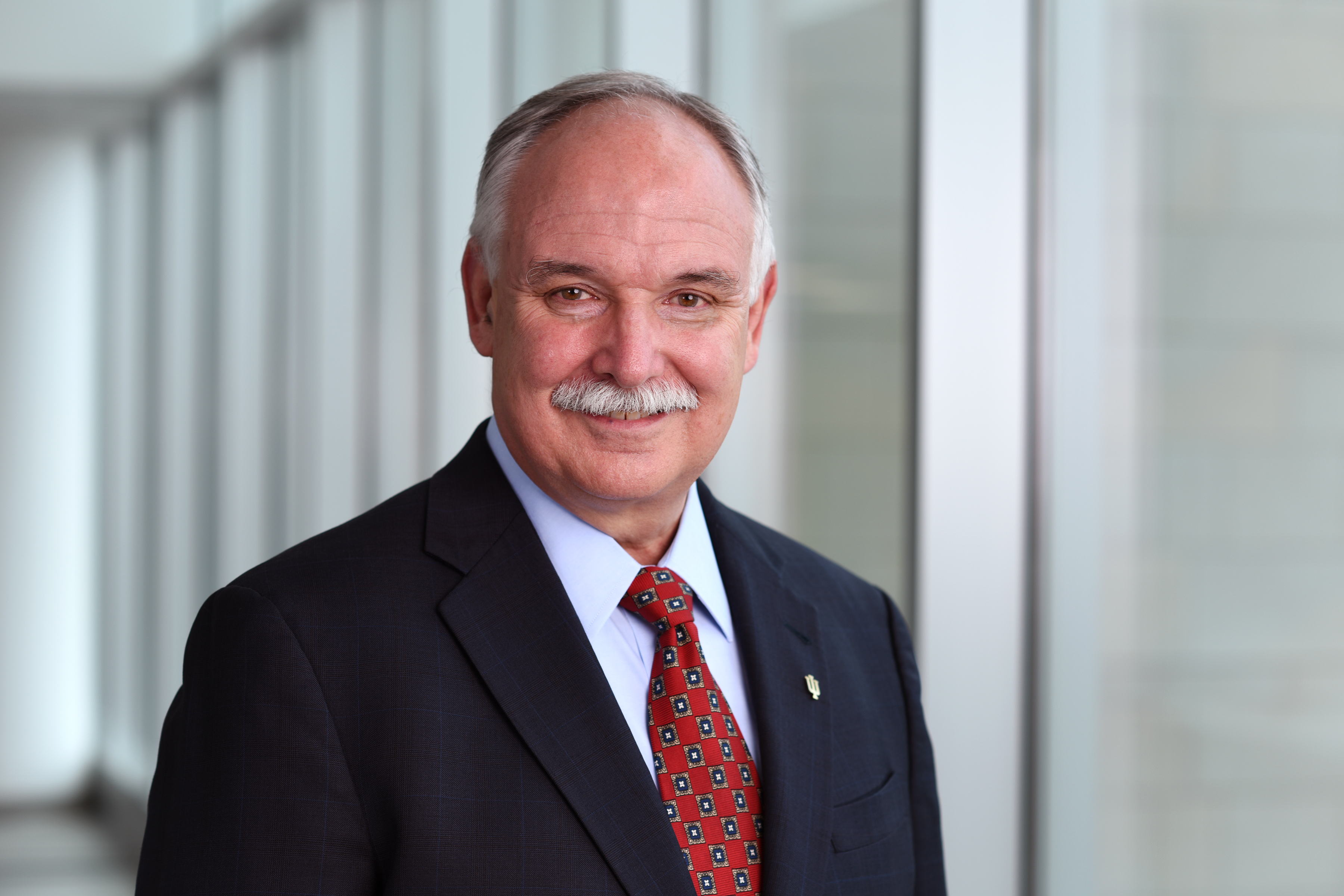 Patrick J. Loehrer, Sr, MD, is the Joseph W. and Jackie J. Cusick Professor in Oncology and Distinguished Professor of Indiana University. He is director emeritus of the Indiana University Melvin and Bren Simon Comprehensive Cancer Center (IUSCCC), an NCI-designated Cancer Center, and the director of the IUSCCC Center for Global Oncology. He has been an active clinical researcher and specialist in the treatment of a variety of cancers including testis, bladder, colon, pancreas and, most notably, thymic malignancies. His research on the drug ifosfamide led to its approval by the FDA. Dr Loehrer was the founding chair of the Hoosier Oncology Group (now Hoosier Cancer Research Network) for two decades, which has enrolled over 5,000 patients and conducted trials in 20 countries around the world. He is also the founding director of the Academic Model for Providing Access to Healthcare (AMPATH)-Oncology Program in western Kenya. Dr Loehrer has served on numerous boards and committees such as the American Board of Internal Medicine, the American Society of Clinical Oncology (ASCO), the FDA Oncology Drug Advisory Committee, and past chair of the NCI Clinical Trials Advisory Committee. Dr Loehrer has received numerous awards including the ASCO Visionary Leadership and Humanitarian Awards. He is a PI on The Pfizer Foundation grant.
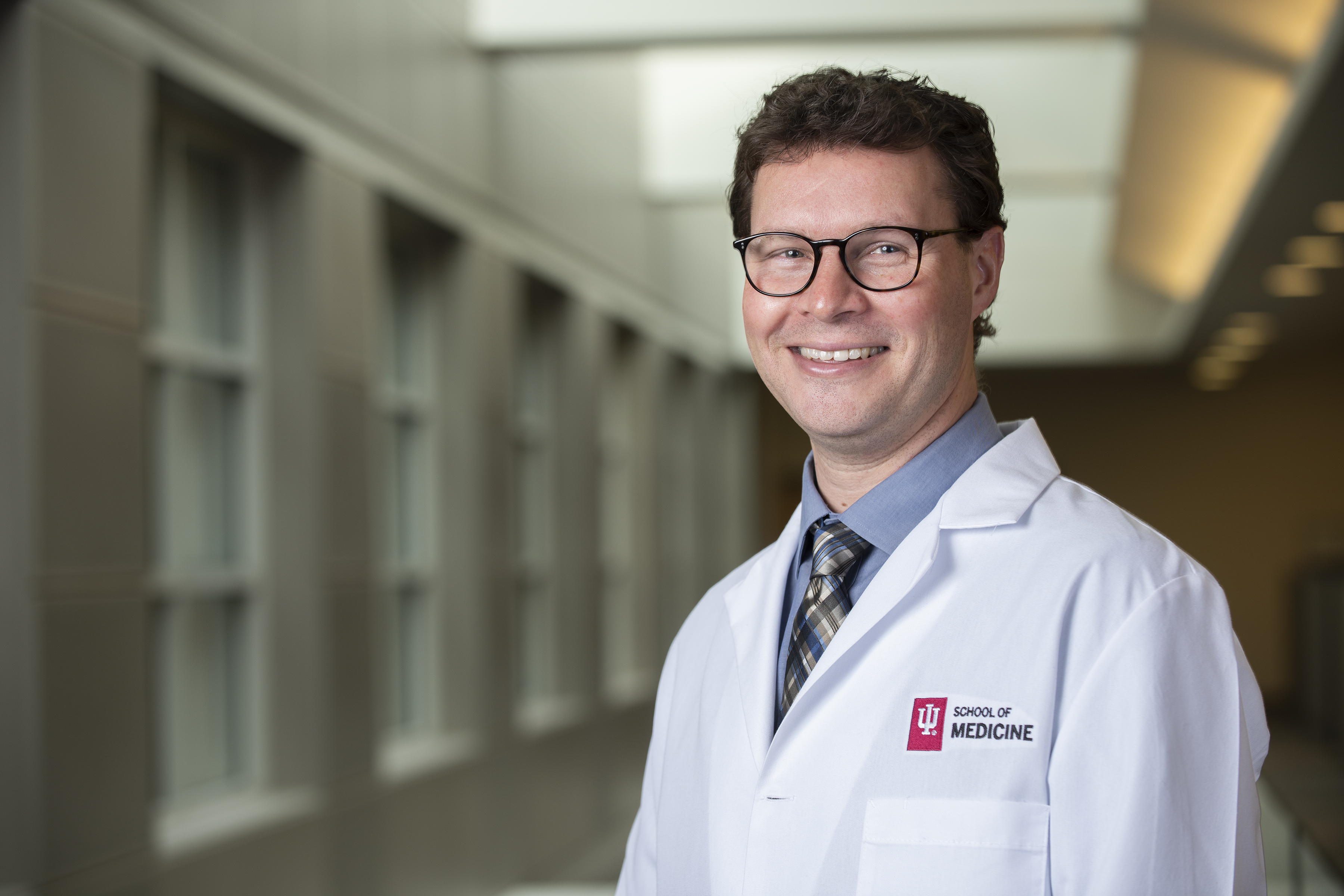 Adrian Gardner, MD, MPH, is the executive director of the AMPATH (Academic Model Providing Access to Healthcare) Consortium and director of the Indiana University Center for Global Health. He is the Donald E. Brown Scholar in Global Health and an associate dean for global health and associate professor of clinical medicine at Indiana University School of Medicine. Dr Gardner attended the Alpert Medical School of Brown University and first travelled to Kenya as a medical student in 2001 during the time that the AMPATH HIV program was first being conceived. He joined Indiana University School of Medicine in 2012 as the executive field director of the AMPATH Consortium and was based full-time in Eldoret, Kenya, during his seven years in this role. His areas of interest include programme development and health systems strengthening in resource-limited settings, clinical and operational research in tuberculosis and HIV, global health training and education, and antimicrobial stewardship and infection control. He is a PI on The Pfizer Foundation grant.
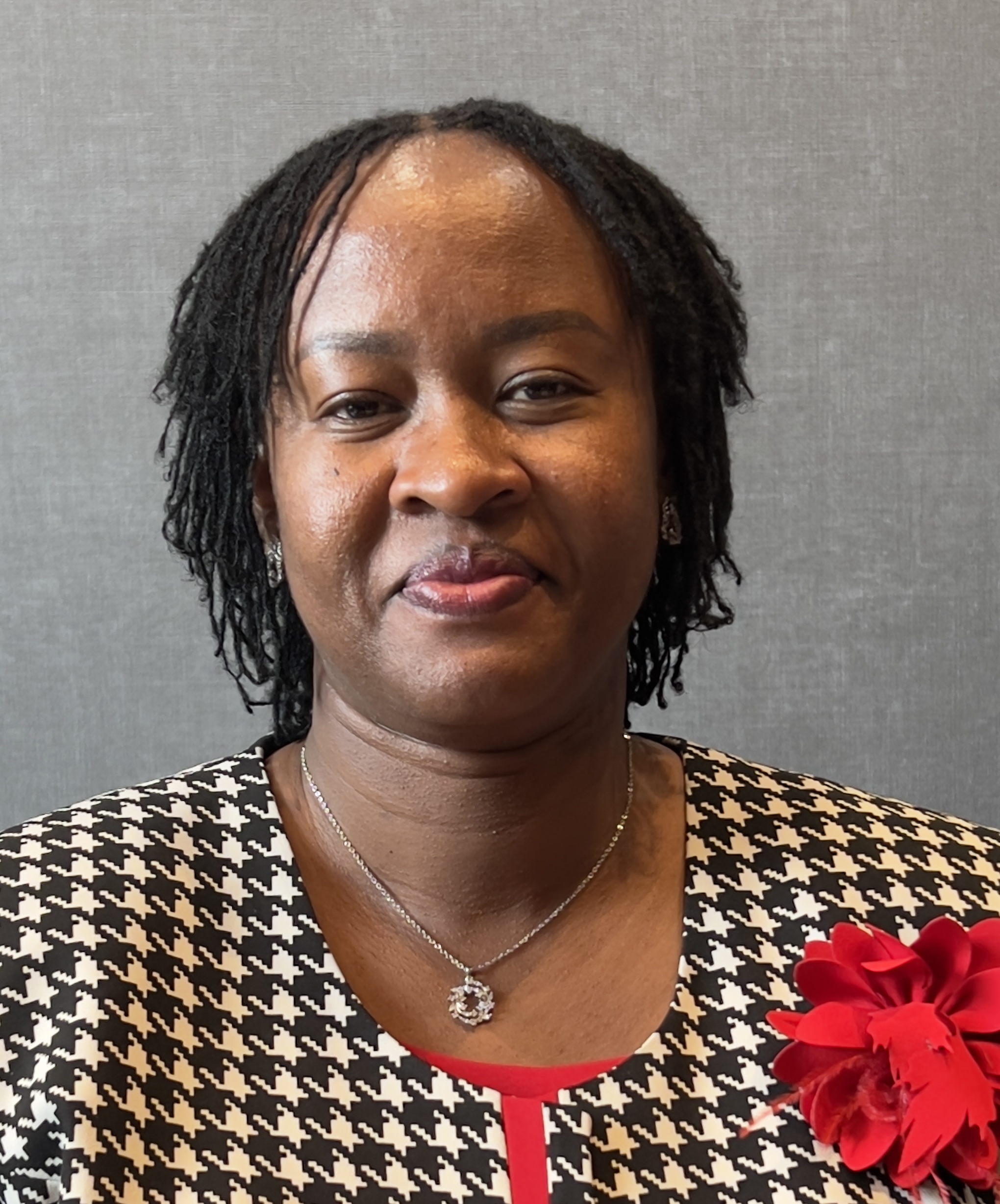 Dr Loice Sitienei is a consultant radiologist and lecturer at Moi University School of Medicine in Eldoret, Kenya. She is currently working in the interventional radiology unit of Moi Teaching & Referral Hospital. She does breast biopsies amongst many other interventional procedures. She is the immediate past chair of the Radiology & Imaging Department. She is the co-PI on The Pfizer Foundation grant.