Cardiovascular disease today: NMR-based lipoprotein profiling
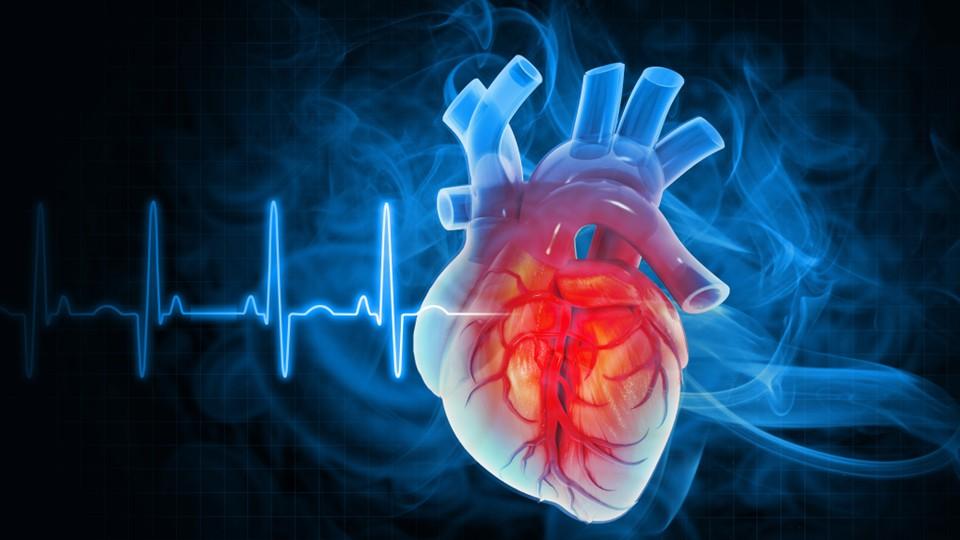
Cardiovascular disease (CVD) is usually associated with atherosclerosis, a condition caused by the buildup of plaque (fat, cholesterol, and other substances) in the artery walls. Cardiovascular disorders affecting the heart and blood vessels include coronary heart disease (including angina and myocardial infarction), stroke, transient ischaemic attack, peripheral arterial disease, and aortic disease.
According to the World Health Organization (WHO), in 2022, an estimated 19.8 million people died from CVDs, representing about 32% of all global deaths, with 85% due to heart attacks and strokes. In the UK alone in 2025, CVD affected over seven million people, responsible for one in four premature deaths (under age 75).
Behavioural risk factors such as tobacco use, unhealthy diet, physical inactivity, harmful alcohol use, and excess weight, along with environmental factors like air pollution, significantly contribute to CVD development. Often, these manifest as high blood pressure, elevated blood glucose, high cholesterol, and obesity.
Dyslipidaemia is an established risk factor for CVD, which is an imbalance of serum lipids, including high total cholesterol, high LDL cholesterol, high triglycerides, and/or low HDL cholesterol. As of 2023, NICE recommended that primary prevention aim for a greater than 40% reduction in non-HDL cholesterol, and secondary prevention achieve LDL cholesterol levels of 2.0 mmol/L or less or non-HDL cholesterol levels of 2.6 mmol/L or less.
In order to explore the current CVD treatment landscape, as well as discuss new, personalised methods of diagnosis, assessment, and prevention – including NMR-based lipoprotein profiling – pharmaphorum spoke with Andreas Wolf, chief technology officer at numares Health.
Q. Cardiovascular disease remains the leading cause of death worldwide. Where do current approaches to cardiovascular risk assessment fall short and where are the biggest gaps?
Andreas Wolf: Current international guidance confirms that LDL-cholesterol and triglycerides alone no longer provide an adequate basis for cardiovascular risk assessment. Both the 2025 ESC/EAS focused update to the European dyslipidaemia guidelines and the 2026 ACC/AHA multi-society dyslipidemia guideline call for a broader atherogenic risk profile, particularly where LDL-C and particle number diverge – common in hypertriglyceridemia, insulin resistance, diabetes, and obesity. Apolipoprotein B, which directly quantifies atherogenic particle count, is increasingly positioned alongside or above LDL-C, complemented by lipoprotein(a) and, in selected settings, lipoprotein subfraction analysis characterising particle number, size, and composition.
This reflects growing recognition that residual cardiovascular risk persists even at guideline-recommended LDL-C targets. Consequently, timely clinical decision-making increasingly depends on access to diagnostic testing capable of delivering these broader lipid panels beyond the standard cholesterol profile, rather than relying on LDL-C and triglycerides in isolation.
Q. Beyond total cholesterol, LDL, and HDL, what additional insights can NMR-based lipoprotein profiling provide and why are measures such as lipoprotein concentration, distribution, and particle size becoming increasingly important in cardiovascular risk assessment?
Standard lipid testing (LDL-C, HDL-C, total cholesterol, triglycerides) measures cholesterol mass carried within lipoprotein classes, not the number, composition, or size of the particles themselves. Apolipoprotein B, present as a single molecule per atherogenic particle (VLDL, IDL, LDL, Lp(a)), directly quantifies atherogenic particle concentration, independent of how much cholesterol each particle happens to carry. This matters because particle number, not cholesterol mass, drives arterial retention and atherosclerosis, and the two frequently diverge in insulin resistance, diabetes, obesity, and hypertriglyceridemia.
Apolipoprotein A1 similarly reflects HDL particle number and functionality more directly than HDL-C mass, with the ApoB/ApoA1 ratio emerging as a strong composite risk predictor. Lipoprotein particle size and subfraction analysis add a further dimension, since small, dense LDL particles are more atherogenic per particle than large, buoyant ones. Together, these parameters resolve LDL-C/HDL-C discordance and provide a more mechanistically precise picture of cardiovascular risk.
Q. Describe how the AXINON System detects cardiovascular or cardiometabolic risk earlier than conventional tests. Why does this matter for patient outcomes?
The AXINON System delivers a comprehensive set of lipoprotein assays – including apolipoprotein B, apolipoprotein A1, lipoprotein particle concentrations, cholesterol content by particle class, and particle size distribution – alongside standard lipid parameters, all from a single blood draw. This consolidation offers a meaningful health-economics and patient-care advantage over the current standard of care, which typically requires multiple separate assays, often across different platforms or reference laboratories, to assemble an equivalent picture of atherogenic risk.
A single-draw, single-platform approach reduces per-patient testing costs, phlebotomy burden, turnaround time, and the risk of fragmented or delayed results, while giving clinicians a complete, internally consistent dataset to support more precise, guideline-aligned cardiovascular risk stratification and treatment decisions at the point of care.
Q. And how can advanced metabolic and lipoprotein profiling support more personalised prevention and treatment strategies?
Advanced metabolic and lipoprotein profiling shifts cardiovascular prevention from population-average risk scores toward the individual's actual metabolic phenotype. By resolving apolipoprotein B, apolipoprotein A1, particle number, size distribution, and cholesterol content per particle class, clinicians can identify patients whose true atherogenic burden is masked by a normal LDL-C – which is common in insulin resistance, diabetes, and hypertriglyceridemia – and who would otherwise be under-treated.
This granularity supports more targeted therapy selection, distinguishing patients who benefit most from LDL-lowering agents, triglyceride-focused interventions, or lipoprotein(a)-directed strategies, rather than applying a uniform treatment algorithm. It could also enable earlier identification of at-risk individuals before clinical disease manifests, supporting timelier lifestyle and pharmacological intervention. It also allows treatment response to be monitored through mechanistically relevant markers beyond LDL-C alone.
Collectively, this positions lipoprotein profiling as a foundation for precision cardiovascular medicine, matching intervention type and intensity to each patient's underlying metabolic driver, rather than a one-size-fits-all approach.
Q. Emerging research from institutions such as the Mayo Clinic have highlighted the potential of NMR-based lipoprotein analysis. What are the key findings and how might they shape future clinical practice?
Institutions such as Mayo Clinic already offer NMR-based lipoprotein profiling as part of routine clinical laboratory testing, reflecting growing acceptance of particle-based measures alongside standard lipids. Emerging research building on this foundation is exploring how NMR-derived particle number, size, and subfraction data can differentiate patient response to therapies such as statins, ezetimibe, and PCSK9 inhibitors, and is increasingly integrating lipoprotein profiling with broader metabolomic data to construct more granular, individualised risk and treatment profiles.
Parallel work continues to refine the clinical role of lipoprotein(a), moving from risk recognition towards active management strategies. Collectively, this research trajectory points toward NMR-based profiling becoming more embedded in routine cardiovascular risk stratification, therapy selection, and treatment monitoring, supporting a shift from standard lipid panels toward more mechanistically informed, personalised prevention and treatment strategies in future clinical practice.
Q. Finally, how do you see metabolomics and NMR-based diagnostics shaping cardiovascular risk assessment over the next decade?
Over the next decade, metabolomics and NMR-based diagnostics are likely to move cardiovascular risk assessment from static, categorical risk tiers toward continuous, mechanism-based, individualised prediction. Early evidence already shows that adding metabolomic data to established algorithms, such as SCORE2, improves 10-year risk prediction beyond conventional risk factors, particularly in populations such as those with type 2 diabetes.
As NMR platforms mature, this is expected to combine with genomic and polygenic risk data, proteomics, and longitudinal monitoring to support integrated, multi-omic risk models – sometimes described as "digital twin" approaches to cardiovascular medicine. NMR's scalability and reproducibility position it well for broader population-level screening, while advances in computational interpretation of complex, high-dimensional metabolomic datasets should make such profiling more actionable in routine practice.
The likely outcome is earlier identification of at-risk individuals, more precise therapy selection, and ongoing, as opposed to one-time, risk and treatment-response assessment.
About the interviewee
 Andreas Wolf is chief technology officer and board member at numares Health AG in Regensburg, Germany, where he leads the company's R&D organisation, including clinical development, biostatistics & AI, algorithm, kit, and software development and IT. With more than 20 years in the life sciences and medical diagnostics sector, he brings deep expertise in NMR-based diagnostic software and regulated software development. Wolf holds an International MEng in Bioinformatics from the University of Ulster and the University of Applied Sciences Weihenstephan, and a Dipl.-Ing. (FH) in Biotechnology, with research stays at Hoffmann-La Roche, Leiden University Medical Center, and the University of Massachusetts Medical School.