The forgotten few: Why the kidney transplant system is failing its most complex patients
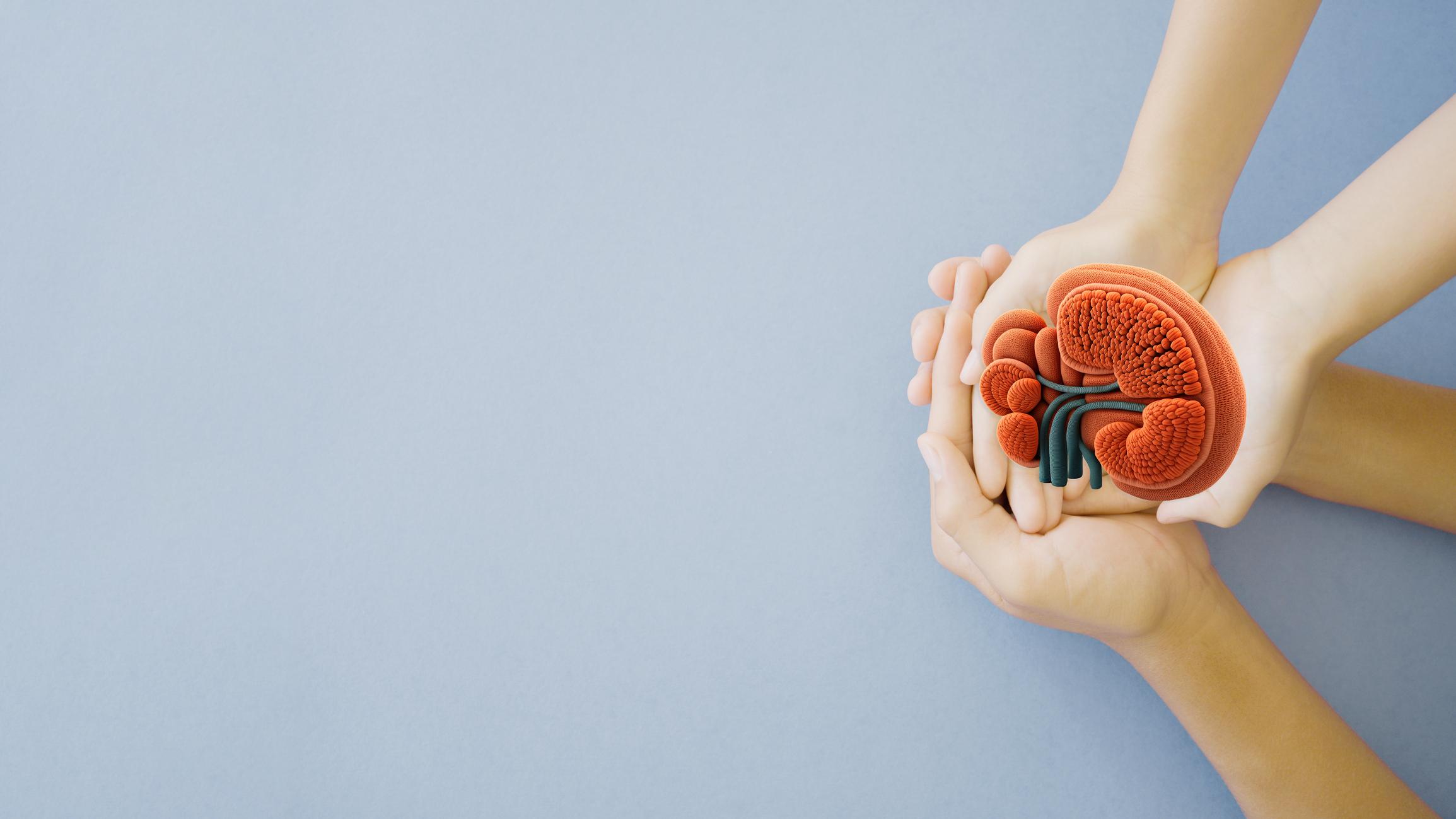
Every year, thousands of patients with end-stage kidney disease are told they have been placed on a transplant waiting list. For most, this represents a path forward – a chance at a life untethered from the dialysis machine. But for a subset of patients, roughly 15% of those on the US waiting list, the promise of transplantation rings hollow.
These are the highly sensitised: patients whose immune systems have developed antibodies against a broad range of human tissue types, often as a result of prior transplants, blood transfusions, or pregnancies. For them, finding a compatible organ is not just difficult – it is, in many cases, statistically close to impossible.
While innovation has reshaped therapeutic areas like oncology – where personalised medicine, immunotherapy, and targeted therapies have become standard of care – transplant medicine has, by comparison, stood still. Patients with the highest levels of sensitisation, those with a calculated panel reactive antibody (cPRA) score of 99.9% or above, receive on average just one organ offer every ten years. Around 3,500 such patients currently sit on the US transplant waiting list. Half of all patients with a cPRA above 98% will die within five years.
These are not abstract statistics. They describe people whose lives revolve entirely around their next dialysis session – three times a week, four hours at a time – while they wait for a phone call that, in all likelihood, will never come.
Two of the most experienced transplant surgeons in the United States have been vocal about this crisis. In a recent discussion exploring the latest Phase 3 data in kidney desensitisation, Professor Robert Montgomery, who directs the NYU Langone Transplant Institute and has spent three decades pioneering incompatible kidney transplantation, and Professor Matthew Cooper, chief of transplantation at the Medical College of Wisconsin with 25 years of experience caring for these patients, offered a candid assessment of what is failing these patients – and what may finally be changing.
An imperfect system
In 2014, the US kidney allocation system was reformed to give priority points to highly sensitised patients. It was a well-intentioned structural change, and it did help some. But for the most complex patients – those at the very top of the sensitisation spectrum – the reform has made little meaningful difference.
Professor Montgomery has called this out directly: “With the new kidney allocation system, most groups stopped doing desensitisation because they thought we had a solution. When you really look at what’s happened to these patients who are 99.5% and above, there really has not been a transformative change in their access to organs.”
The consequences are devastating. Waitlist mortality at five years for this population remains at 50% – a survival rate, Professor Montgomery has pointed out, that is worse than most types of cancer. Meanwhile, the proportion of these patients receiving living donor transplants – historically the best-quality option – has collapsed to just 1.4%.
The limits of existing approaches
For decades, the workhorse desensitisation methods have been plasmapheresis and intravenous immunoglobulin (IVIG). These approaches are not approved for this use. They are slow, resource-intensive, and only effective in patients with relatively low antibody levels. Crucially, they only remove antibodies from the intravascular space, requiring multiple sessions over days or weeks – a luxury that deceased donor transplantation simply does not afford.
Professor Cooper has been frank about the reality: “From a deceased donor standpoint, we don’t have the benefit of time. We’re doing very, very little of it.” For too long, clinicians have had precious little to offer these patients.
Why complacency is the real barrier
The scientific understanding of antibody-mediated rejection has advanced considerably in recent years.
Yet, the clinical landscape has been slower to evolve. After the 2014 allocation reforms, many centres stepped back from desensitisation entirely, assuming the problem had been solved. Professor Montgomery has been blunt about the consequences: the most complex patients were left behind by a system that believed it had done enough.
Professor Cooper sees a deeper issue – one of clinical will. For too long, the field has accepted that highly sensitised patients will simply remain on dialysis. That assumption has become self-fulfilling. As he has noted, many transplant programmes have simply stopped engaging with these patients – leaving them on waiting lists, expecting an organ offer that, in most cases, never comes.
A call to stop looking away
We have an occasion to celebrate progress – but also to confront uncomfortable truths. We have allowed a group of patients to remain invisible within a system that was ostensibly designed to serve them. While other therapeutic areas have attracted investment, innovation, and public attention, highly sensitised transplant patients have been left in what Professor Montgomery has described as an existence defined by false hope and unrelenting uncertainty.
The path forward requires action on multiple fronts: regulatory pathways that recognise the unique needs of this population; allocation systems that do not inadvertently penalise patients who undergo desensitisation; and a willingness across the transplant community to re-engage with a patient group that many centres have, in Professor Cooper’s words, been “very uncomfortable approaching at all.”
The science is advancing. The clinical evidence is building. The question now is whether the system – from regulators to clinicians to policymakers – will move with it. For the thousands of patients still waiting, the answer cannot come soon enough.
About the author
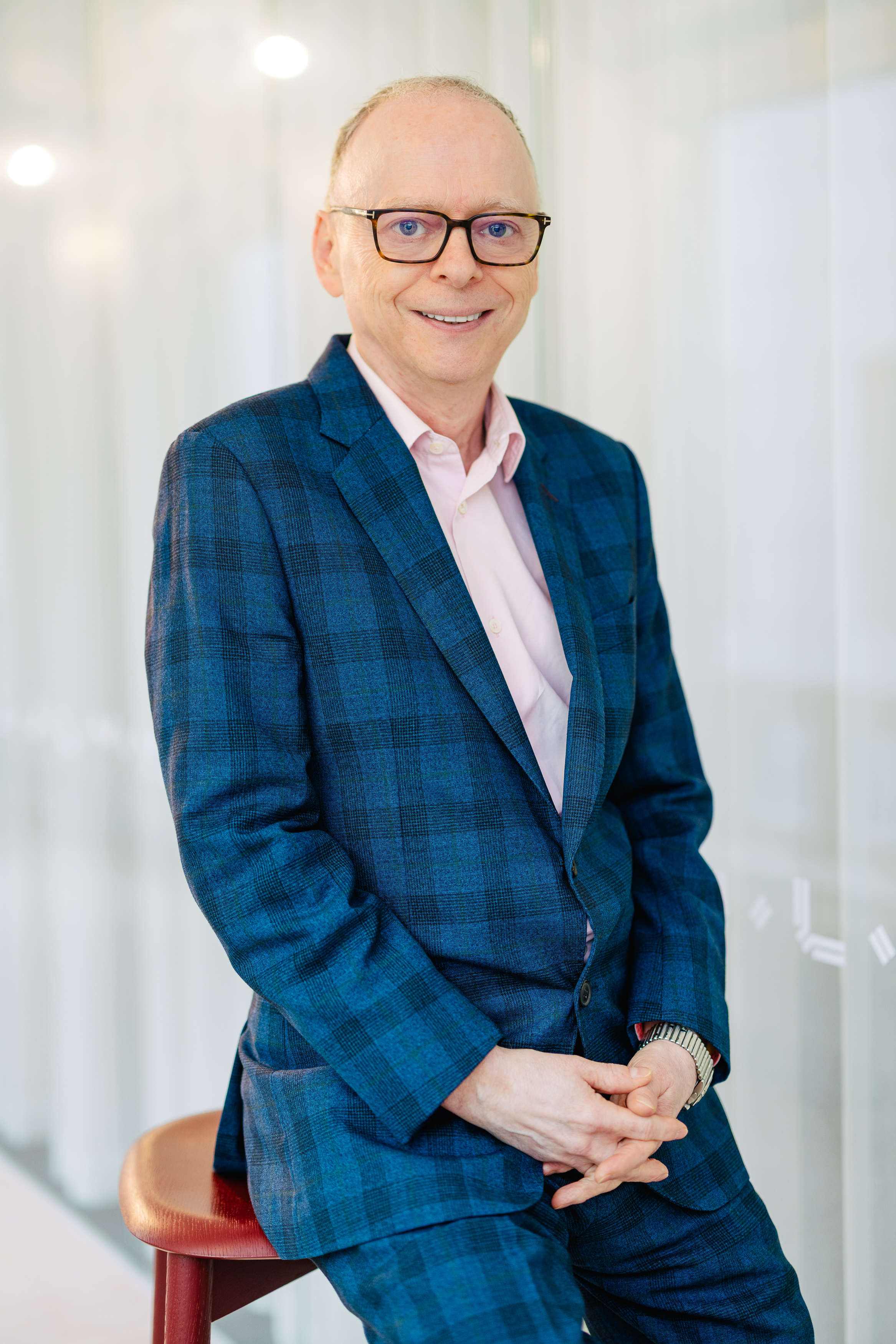 Dr Richard Philipson has over 25 years of industry experience and a successful track record in drug development, providing clinical leadership resulting in four product approvals, including in rare disease and gene therapy. His expertise includes success in building high-functioning teams, pipelines, and in executing clinical development programmes across all phases of development. Dr Philipson also brings in-depth knowledge of regulatory strategy in drug development. Prior to joining Hansa, Dr Philipson was CMO of Calliditas Therapeutics and previously spent 16 years at GlaxoSmithKline (GSK), including four years as therapeutic area head in the rare diseases unit. He also has experience from Takeda, and a four-year period as CMO at Trizell.