End-of-life choice means little without end-of-life support
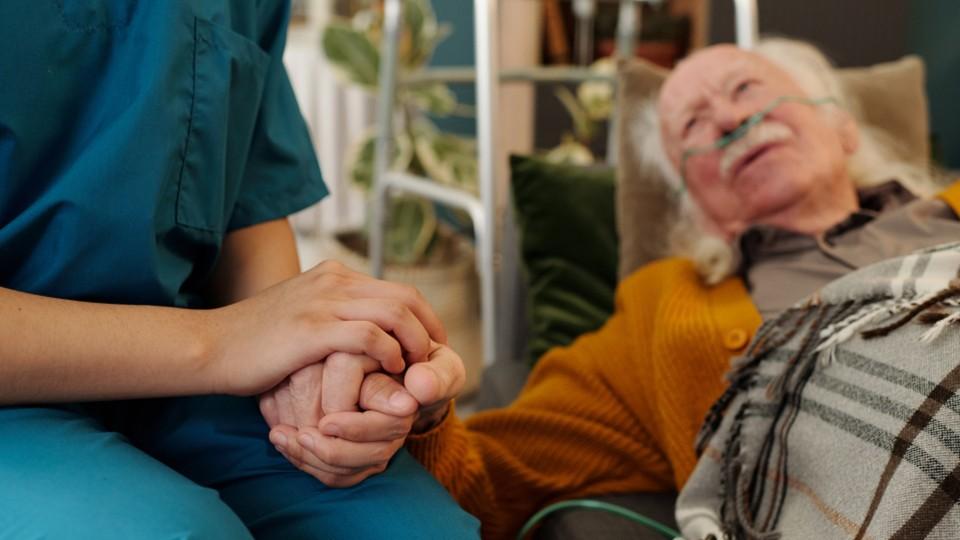
As more states examine questions around medical aid in dying, the public conversation often centres on ethics, personal belief, government involvement, and physician responsibility. Those are serious questions, and they deserve to be handled with care.
But for families navigating serious illness, there is another question that deserves just as much attention: why do so many people reach the end of life feeling unprepared, unsupported, and unsure where to turn?
End-of-life decisions rarely happen in a calm or orderly way. They often come quickly, emotionally, and under pressure. Families are not always making decisions from a place of confidence. Many are reacting to a crisis while trying to manage fear, grief, financial strain, and the daily responsibility of caring for someone they love.
That is where our fragmented care system continues to fall short.
When families are left to navigate alone
I understand this not only as a healthcare executive, but as someone whose own family experienced the confusion and pressure of caring for a loved one with dementia.
Real care is not only about major medical decisions. It shows up in the daily questions families are forced to answer: Who is coming by today? What do we do if symptoms change? Is this normal decline, or is something more serious happening? When do we need more support? What are our care options, and how do we pay for them?
Those questions can overwhelm even the most organised and committed families.
There is a missing middle in our healthcare system between diagnosis and hospice. Too often, families are presented with two ends of the spectrum: active treatment or end-of-life care. But many chronic and serious illnesses unfold over months or years. A person may not qualify for hospice for a long time, even though their family already needs guidance, education, respite, care coordination, and practical support in the home.
That middle period is where families are often left on their own.
Instead of receiving clear direction, they are handed discharge instructions, specialist referrals, or vague guidance and expected to build a care plan from scratch. Doctors are focused on treatment. Hospitals are focused on discharge. Families are left to connect the pieces.
That is not a care system. That is a burden shifted onto families.
Home care should not be a last resort
This is where home care has to evolve.
For too long, home care has been treated as a last resort, something families turn to only after they are exhausted or after a crisis changes everything. We see this often: a caregiver burns out, a loved one falls, symptoms worsen, or the family reaches a breaking point before support is brought into the home.
That approach is too reactive.
Home-based support should enter the conversation earlier. It can help families understand what is happening, monitor changes, maintain routines, reduce avoidable hospital visits, and give caregivers relief before they are overwhelmed.
There is also too much confusion around the different types of care available. Many families do not understand the difference between home care, home health, palliative care, and hospice. They do not always know what Medicare covers, what Medicaid may support, what private pay options exist, or what community resources may be available.
When families do not understand their options, choice becomes more theoretical than real.
The home is where care actually happens
Care should not become available only after a family is in crisis. A better system would help prevent that crisis from happening in the first place.
The home is where much of care actually happens. It is where meals are missed, medications are forgotten, symptoms first appear, mobility changes, routines break down, and caregivers begin to struggle. These may seem like small details, but they often determine whether someone can remain safely at home or end up cycling through hospitals and facilities.
That is why home care should not be viewed as an extra step. It should be seen as a natural part of the care continuum.
Families need plain language, practical guidance, and coordinated support. They need help understanding Medicare, Medicaid, private pay options, long-term care insurance, community programmes, and caregiver resources. They need to know there are many steps between “keep doing everything” and “there is nothing more we can do.”
A stronger system would recognise those steps earlier.
True choice requires support
The medical aid in dying debate asks what choices a person should have near the end of life. That debate will continue, and it should be approached with care.
But any serious conversation about dignity, autonomy, and patient preference must also include the support people need before they reach the final stage of illness.
That means expanding access to in-home support. It means strengthening caregiver resources. It means making palliative care easier to access earlier. It means improving coordination between hospitals, physicians, home-based care providers, and community organisations. It means helping families understand their options before they are in crisis.
This is not just a policy issue. It is a care delivery issue.
A strong end-of-life care system does not wait until the final days to step in. It supports patients and families throughout the journey, from diagnosis through serious illness and, when the time comes, through the end of life.
The goal should be to give people as many good days as possible, in the setting they prefer, with the support their families need to make that possible.
That is the larger lesson this debate should force us to confront. Patient choice matters. But true choice requires more than one legal option. It requires a care system that does not leave families alone until they are desperate.
The question is not only what choices people should have near death. It is whether we have done enough to support them, and the families caring for them, throughout the life and care journey that comes before it.
About the author
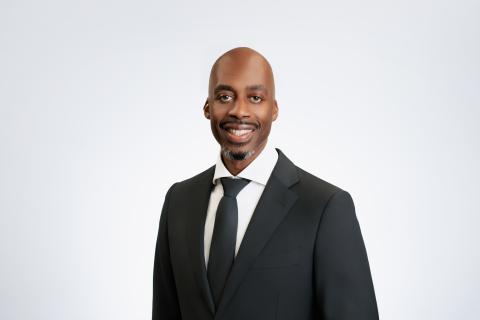
 Faris Flournoy is the CEO of Flournoy Health Systems, a healthcare management organisation focused on expanding access to home-based and supportive care for seniors and individuals with disabilities. A US Air Force veteran and healthcare executive, he brings experience in operational leadership, workforce development, and care coordination. Flournoy Health Systems was founded after Faris and his family experienced firsthand the challenges of navigating a fragmented healthcare system while caring for a loved one with dementia. What began as a deeply personal commitment to keeping family at the centre of care evolved into a broader mission to build a more coordinated, home-centred model that supports patients and caregivers alike. Flournoy’s work centres on designing scalable care models that enable individuals to receive high-quality, compassionate care in the setting they prefer most, their homes.