In vivo CAR-T can solve the delivery problem – but solid tumours demand more
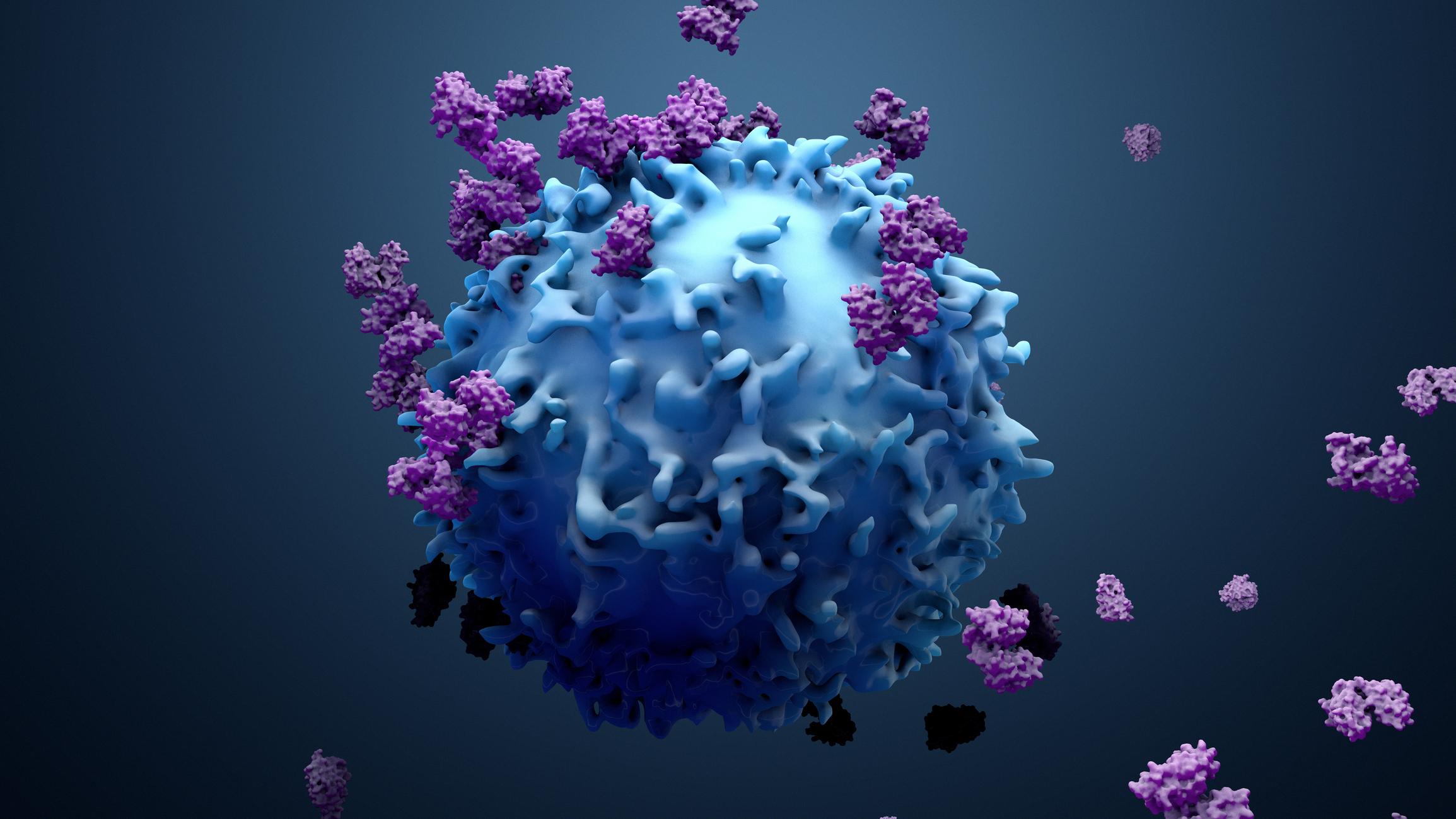
CAR-T cell therapy has transformed the treatment of several haematological malignancies, but its impact in solid tumours has remained frustratingly limited. Now, a new generation of in vivo CAR-T cell technologies promises to remove some of the biggest practical barriers associated with conventional cell therapy.
The investment community has taken notice. Over the past 18 months, major pharmaceutical companies have committed billions of dollars to technologies capable of generating CAR-T cells directly inside the patient. AstraZeneca acquired EsoBiotec for up to $1 billion, AbbVie acquired Capstan Therapeutics for $2.1 billion, and Kite, a Gilead company, agreed to acquire Interius BioTherapeutics for $350 million. The technologies differ – including targeted lentiviral vectors and lipid nanoparticles – but the ambition is broadly similar: turn CAR-T cells from a complex, individualised manufacturing process into something much closer to an off-the-shelf medicine.
This could be enormously important. Today's autologous CAR-T cell therapies require leukapheresis, centralised manufacturing, genetic modification, and expansion of a patient's cells, quality testing, and transport back to the treatment centre. In vivo engineering potentially collapses much of that process into an intravenous administration, reducing manufacturing complexity and potentially improving cost, speed, and patient access.
But for solid tumours, there is an important distinction that risks being lost in the excitement: making CAR-T cells more easily is not the same as making them work better.
The manufacturing problem and the biology problem
In haematological malignancies, removing the manufacturing bottleneck could fundamentally change the accessibility and scalability of CAR-T cells. Solid tumours present a different challenge.
A CAR-T cell generated inside the patient still has to find the tumour, enter it, expand sufficiently, survive, and remain functional long enough to eliminate malignant cells. These are essentially the same biological barriers that have constrained conventional ex vivo CAR-T cell therapies in solid tumours.
Recent reviews consistently identify several interconnected problems: inadequate trafficking and tumour infiltration, limited expansion and persistence, T-cell exhaustion, antigen heterogeneity, and an immunosuppressive tumour microenvironment. Abnormal vasculature and dense extracellular matrix can physically restrict entry into tumours, while hypoxia, nutrient competition, and suppressive immune populations further impair T-cell activity once the cells arrive.
In other words, changing “where” the CAR-T cell is manufactured does not necessarily change what happens when that cell encounters a solid tumour.
This is particularly important when extrapolating from the encouraging progress being made with in vivo CAR-T cells in haematological and autoimmune indications. Circulating B-cells provide a highly accessible target. A solid tumour presents a spatially organised, metabolically hostile and actively immunosuppressive ecosystem. Success in one setting should therefore not automatically be assumed to predict success in the other.
In vivo engineering creates opportunities – and new questions
A recent Nature Cancer perspective led by Dr Clare Slaney provides a timely overview of this rapidly developing field. The authors describe the potential of in vivo CAR-T cell engineering to overcome the manufacturing and accessibility constraints of ex vivo therapy, while also highlighting important questions around lymphocyte targeting, pharmacology, biodistribution, and safety.
Those questions become particularly relevant in solid tumours.
With an ex vivo product, developers can control the number, phenotype, and composition of cells administered. With in vivo engineering, the therapeutic product is effectively generated within the patient. Vector biodistribution, transduction efficiency, the subsets of T-cells targeted, and the durability of CAR expression can therefore influence both efficacy and safety.
There is also a potential paradox. Eliminating ex vivo manufacturing may remove the opportunity to expand large numbers of CAR-T cells before administration. An effective in vivo therapy may consequently depend even more heavily on the ability of the engineered cells to proliferate after they are generated.
That may be relatively achievable where target antigen is abundant and accessible. In a solid tumour, where CAR-T cells may encounter limited antigen, poor trafficking, and multiple suppressive signals, achieving sufficient expansion and persistence could prove substantially harder. Recent analyses of in vivo CAR-T cells in solid tumours have therefore argued that improved gene delivery alone will not overcome the fundamental problems of trafficking, expansion, persistence, and tumour-mediated immune suppression.
The next challenge is making the biology work
The next phase of CAR-T cell innovation in solid tumours is therefore likely to require two advances in parallel.
The first is better delivery. In vivo technologies could make cell therapy dramatically simpler and more scalable and potentially remove some of the infrastructure that currently restricts CAR-T cell to specialised treatment centres.
The second is biological engineering that enables those cells to function in hostile tumour environments.
A growing range of approaches is being explored: engineering chemokine receptors to improve trafficking; modifying metabolic pathways; providing cytokine support; checkpoint-resistant or logic-gated CARs; targeting multiple tumour antigens; and strategies designed to alter the tumour microenvironment itself.
Another approach is to provide CAR-T cells with additional immune stimulation after they encounter their target. At Currus Biologics, for example, we are investigating a bispecific platform called the BEAT (Bispecific engager of antigen presenting cells and T-cells) that separates tumour recognition by the CAR from additional CD40-mediated immune activation. The broader principle is that tumour recognition may be necessary, but not sufficient: CAR-T cells may also require signals that promote expansion, persistence, and broader immune engagement within the tumour.
The BEAT is one of several approaches being explored across the field, and it remains to be established clinically which strategies – or combinations of strategies – will prove most effective. The important point is that these technologies address a different problem from in vivo delivery.
Beyond delivery
The current investment in in vivo CAR-T cells is an encouraging sign for cell therapy. Simplifying manufacture could substantially broaden access and ultimately make engineered cell therapies available to far more patients.
For solid tumours, however, delivery should be viewed as the beginning, rather than the endpoint.
The fundamental challenge is not simply generating a CAR-T cell inside the body. It is generating a cell capable of reaching a tumour, expanding, persisting, and functioning within one of the most immunologically hostile environments in human disease.
If the next generation of cell therapy can combine the accessibility of in vivo engineering with technologies that address those biological barriers, the field may finally begin to translate the extraordinary success of CAR-T cells in blood cancers into the much larger challenge of solid tumours.
About the author
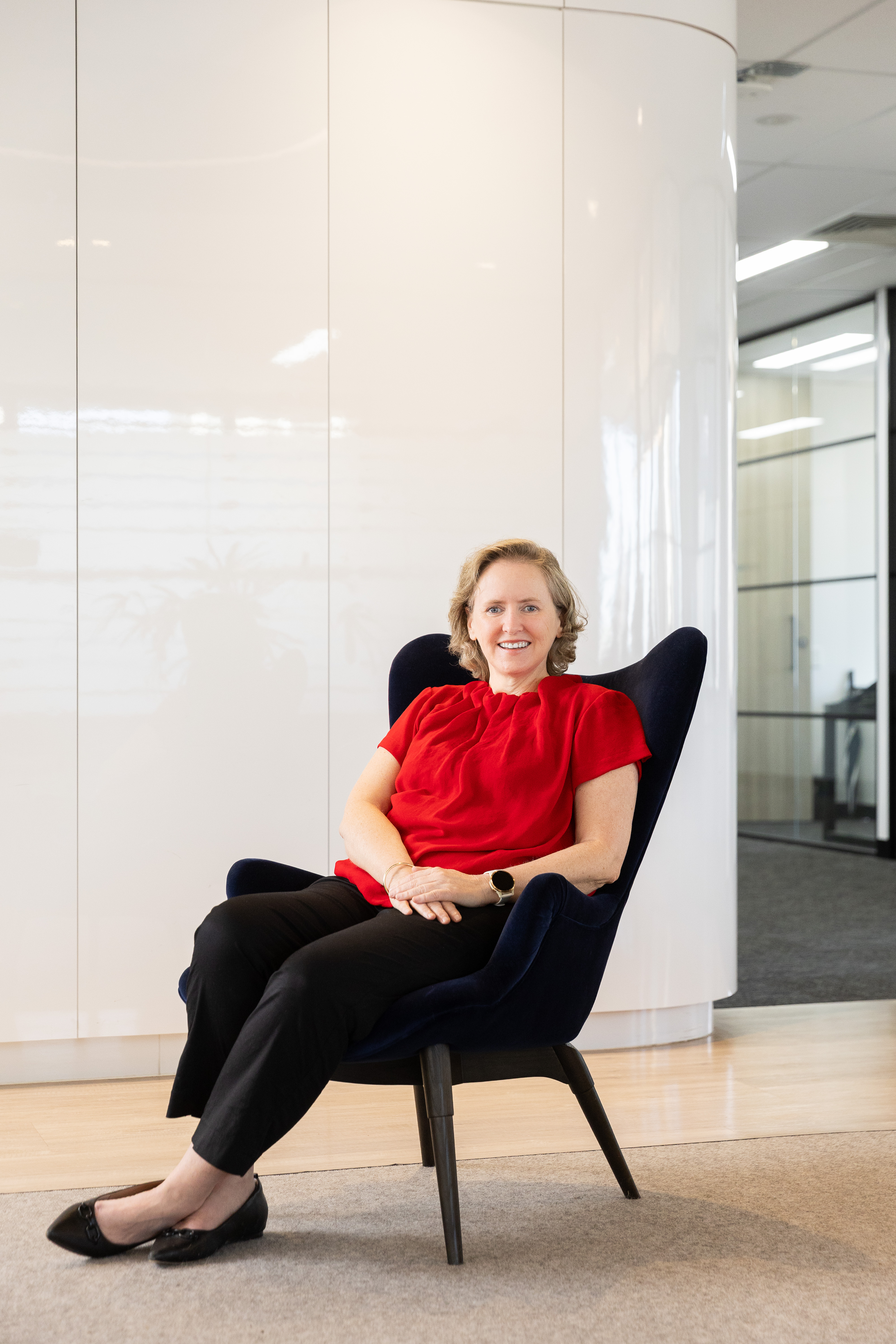 Sam Cobb is the founding CEO of Currus Biologics. Cobb has over 25 years’ experience in business development and commercialisation with a focus on biologics. Prior to Currus Biologics, she was the founding CEO of AdAlta, where Cobb saw AdAlta through several transitions over a 12-year period, including listing the company on the ASX. Shr led the development of AdAlta’s novel biologics platform from idea to a Phase I-ready lead candidate and secured multiple big pharma and biotech deals with its platform. Cobb has worked for several biotech companies and technology transfer companies, focused on the commercialisation of life sciences opportunities. She worked at the lab bench at Agen Biomedical as a research scientist, developing a diagnostic test for point of care application, taking the test from research through development and to production. Cobb has a Bachelor of Science and a Master’s in Intellectual Property Law and has completed the Australian Institute of Company Directors course.