CAR-NK cell therapies for solid tumours: Closing the gap between perception and reality
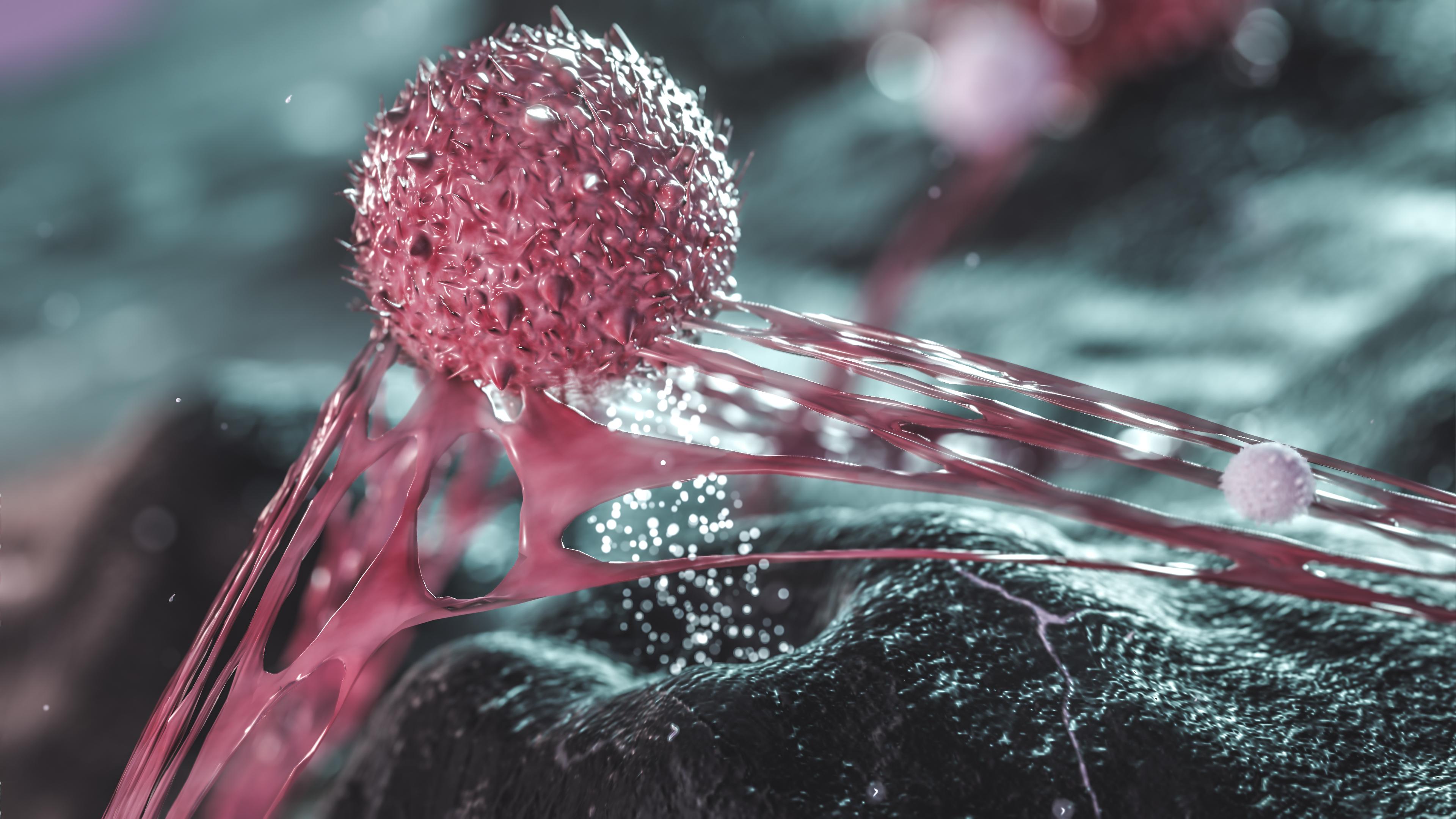
Immune cell therapies have transformed the treatment of certain blood cancers over the past decade. However, when it comes to solid tumours, perceptions about their effectiveness often lag behind the emerging scientific evidence.
In particular, Chimeric Antigen Receptor – Natural Killer (CAR-NK) cell therapies are frequently misunderstood, despite growing clinical and preclinical data supporting their potential.
Evidence supporting CAR-NK cell therapies
A common misconception is that CAR-NK cell therapies have not demonstrated meaningful activity, even in blood cancers. In reality, several clinical studies have shown promising results.
One notable example comes from Dr Katy Rezvani’s group at MD Anderson Cancer Center, which developed an allogeneic CD19 CAR-NK cell therapy derived from cord blood. In a clinical study involving 37 patients with B-cell malignancies, the therapy demonstrated an overall response rate of approximately 50% at both 30 and 100 days following treatment. One-year overall survival and progression-free survival rates were 68% and 32%, respectively.
Importantly, the therapy also showed an excellent safety profile. Across all dose levels tested, there was no evidence of graft-versus-host disease or cytokine release syndrome - two of the most serious toxicities associated with CAR-T therapies.[i] Similar safety and efficacy signals have been reported with other allogeneic CAR-NK approaches.
The solid tumour challenge
Despite these encouraging results, the clinical potential of CAR-NK cell therapy in solid tumours has yet to be definitively demonstrated. However, this reflects the relatively small number of completed trials, rather than a lack of biological rationale.
NK cells are part of the immune system’s first line of defence against cancer and possess inherent anti-tumour activity. Preclinical studies have repeatedly shown that NK cells can effectively target and destroy tumour cells, and that this activity can be enhanced through the addition of chimeric antigen receptors (CARs) targeting tumour-specific markers.
Furthermore, advanced multiplexed-gene-editing strategies are being employed to enhance NK cell performance. For example, gene modifications such as CISH and DGK knockouts, as well as knock-in of key cytokines such as IL-15, can improve cell persistence and functional activity within the tumour microenvironment.[ii],[iii]
Early anecdotal reports from clinicians investigating CAR-NK therapies in solid tumours also suggest that clinical benefits may occur even at relatively low dose levels.[iv]
Persistence and safety
One perceived limitation of NK cells is that, unlike T-cells, mature NK cells do not proliferate significantly in the body after administration. As a result, they are often thought to disappear rapidly following treatment.
However, clinical evidence suggests they may persist longer than expected. In the MD Anderson trial mentioned earlier, CAR-NK cells were detectable in patients’ blood samples up to 12 months after treatment.ii
While limited proliferation may appear to be a disadvantage from an efficacy perspective, it may actually provide a significant safety advantage. Reduced long-term persistence lowers the risk of uncontrolled immune activation, which is particularly important when considering the use of cell therapies in earlier-stage cancers or in non-oncology conditions.
This safety profile could ultimately enable applications beyond cancer, including diseases such as endometriosis, where the risk tolerance is far lower than in late-stage oncology.
Furthermore, this potential limitation can be mitigated in allogeneic, off-the-shelf approaches, where the availability of readily manufactured product enables repeat or multi-dosing strategies.
Why CAR engineering matters
If NK cells naturally kill tumour cells, an obvious question is why they need CAR engineering at all.
NK cells express a complex array of receptors that either activate or inhibit their function. This delicate balance allows the immune system to mount inflammatory responses when necessary while preventing inappropriate inflammation.
However, solid tumours exploit this system by creating an immunosuppressive tumour microenvironment (TME). Cancer cells manipulate surrounding tissues and immune cells to dampen immune responses and protect the tumour.
CAR engineering provides NK cells with an additional mechanism to recognise and attack cancer cells by directing them toward specific tumour markers. At the same time, further genetic modifications can make NK cells more resistant to the suppressive effects of the TME.
For example, companies such as Cartherics and Healios are developing NK cell therapies that not only incorporate CAR targeting, but also include genetic modifications designed to overcome immune suppression and shift the tumour environment towards a pro-inflammatory state.[v],[vi]
By building on the NK cell’s natural biology in this way, these engineered therapies are designed to better address the complex challenges posed by solid tumours.
Furthermore, a recent study published in Nature Immunology shows that NK cell activity is partly shaped by small genetic differences that influence how strongly inhibitory signals control these cells. The researchers found that when this inhibitory signalling pathway (involving the NKG2A receptor and HLA-E molecules) is stronger, NK cells become better “trained” during their development. As a result, they are more capable of mounting strong responses when they encounter abnormal cells that have lost normal immune markers - a common feature of cancer cells.[vii]
Looking ahead, the integration of artificial intelligence is expected to play an increasingly important role in advancing NK cell therapies. AI-driven approaches can be used to identify optimal gene-editing targets, predict cellular behaviour, and design more effective CAR constructs. Companies such as Cartherics are leveraging these technologies to inform the design of engineered NK cells with improved persistence, targeting, and functionality.
An inflection point for cell therapy investment
Over the past two decades, billions of dollars have been invested in the development of cell therapies. This investment has enabled companies to build sophisticated technology platforms, manufacturing capabilities, and clinical pipelines.
As a result, the field has reached an inflection point. There is now a deeper understanding of immune cell behaviour within the tumour microenvironment and, critically, how they must be engineered to function effectively in that setting.
For investors willing to take a long-term view, the convergence of maturing science, improving manufacturing capabilities, and relatively low valuations may make this an ideal moment to engage with the field.
References
[i] Marin D, Li Y, Basar R, et al. Safety, efficacy and determinants of response of allogeneic CD19-specific CAR-NK cells in CD19+ B cell tumors: a phase 1/2 trial. Nat Med. 2024;30(3):772-784. doi:10.1038/s41591-023-02785-8: https://pubmed.ncbi.nlm.nih.gov/38238616/
[ii] Daher, May et al. “Targeting a cytokine checkpoint enhances the fitness of armored cord blood CAR-NK cells.” Blood vol. 137,5 (2021): 624-636. doi:10.1182/blood.2020007748: https://pmc.ncbi.nlm.nih.gov/articles/PMC7869185/
[iii] First World Pharma, December 8, 2025: Cartherics to present at the ISSCR 2025 Boston International Symposium: https://firstwordpharma.com/story/6731002
[iv] Wang, W., Liu, Y., He, Z. et al. Breakthrough of solid tumor treatment: CAR-NK immunotherapy. Cell Death Discov. 10, 40 (2024). https://doi.org/10.1038/s41420-024-01815-9
[v] BioInformant, August 6, 2025: iPSC-derived NK Cells and the Future of Immunotherapy: https://bioinformant.com/ipsc-derived-nk-cells/
[vi] Sato, Y., Goto, K., Yagishita, S. et al. An innovative treatment for lung cancer using gene-engineered human-induced pluripotent stem cell-derived natural killer cells. Cancer Immunol Immunother 75, 129 (2026). https://doi.org/10.1007/s00262-026-04370-7
[vii] Lin, Z., Bashirova, A.A., Callahan, C. et al. HLA class I signal peptide variation predicts strength of NKG2A+ NK cell response to missing-self and risk of human disease. Nat Immunol(2026). https://doi.org/10.1038/s41590-026-02436-3:
About the authors

Dr Ian Nisbet, PhD, is chief executive officer and co-founder of Cartherics. He is a highly experienced biotechnology executive, with a track record spanning board, executive, and senior management roles across both large and small biotech companies in Australia and the United States, including Millennium Pharmaceuticals, Inc., CSL Ltd, ChemGenex Pharmaceuticals Ltd, and Meditech Research Ltd. Dr Nisbet brings more than 40 years of experience in pharmaceutical product development, business development, and project management, and has held multiple chief executive officer and Chairman positions. Dr Nisbet’s primary area of expertise is oncology. His broader experience also includes development programmes across a range of therapeutic areas, including diabetes, Alzheimer’s disease, pain, and dermatology. Dr Nisbet holds a BSc in Microbiology and Biochemistry from the University of Melbourne and a PhD in Molecular Biology from Monash University. He is also a graduate of the Advanced Management Program from the Melbourne Business School at the University of Melbourne and is a member of the Australian Institute of Company Directors.
Dr Walid Azar, PhD, is chief scientific officer at Cartherics. Dr Azar is an experienced biotechnology leader and translational scientist with a track record spanning roles across academia and industry, including the University of Melbourne, Murdoch Children’s Research Institute, Peter MacCallum Cancer Centre, CSL Ltd, and Cartherics. He brings deep expertise in molecular biology and gene editing, with a strong focus on CRISPR technologies, preclinical development, and cell therapies. Over his career, he has led projects from early discovery through to product development and FDA interactions, with a particular emphasis on oncology and rare blood disorders. Dr Azar is an experienced people leader and collaborator, having built and managed high-performing scientific teams and significant academic and industry partnerships across Australia and internationally. He holds a PhD in Molecular Biology and Biochemistry from the University of Melbourne and has a strong commitment to innovation and advancing next-generation oncology therapeutics, specifically in the cell therapies space.